

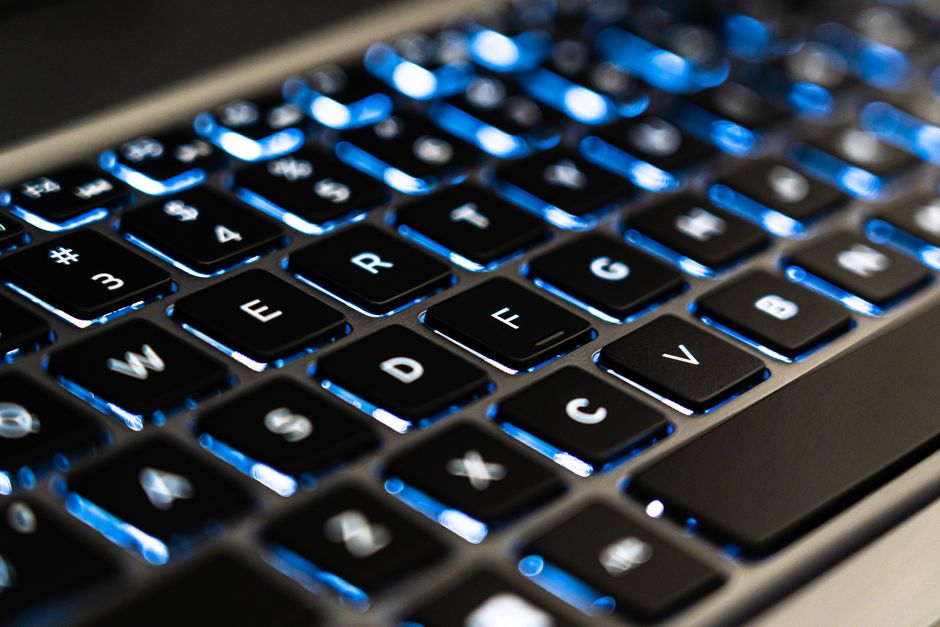
Why Your Keyboard Isn't in Alphabetical Order
Look down at your keyboard for a second. Your laptop, your phone, your tablet. Now look at the letters. Q-W-E-R-T-Y. It looks random. Almost like someone spilled the alphabet across the table and decided to keep it that way. But here is the strange part. This layout is used by billions of people every single day. It helps us write emails, send texts, search the internet, code software, run businesses, and talk to the world. It is one of the most important designs in modern life. So why does it not follow the simplest order we all learned as children? A, B, C, D, E. Why did humanity take the alphabet and scramble it? The answer is not just about typing. It is about jammed metal arms. Morse code operators. A 150-year-old business decision. And a problem that disappeared long ago. But somehow still controls your fingers today.
Key Takeaways
- The QWERTY layout is used by billions of people globally.
- The layout was designed to prevent mechanical jams in early typewriters.
- The alphabetical order was abandoned due to engineering limitations.

It is simple. It is logical. It is easy to remember. If you gave a keyboard to someone who had never seen one before, they would probably expect the letters to be arranged in that order. But modern keyboards do the opposite. The most common layout begins with Quarty on the top row. Then A, S, D, F on the middle row. Then Z, X, C, V on the bottom row. There is no obvious pattern. The vowels are scattered. Common letters are separated. And the alphabet is completely broken apart. But this was not always the case. In the beginning, people actually did try to make keyboards alphabetical. And for a short time, it seemed like the perfect idea.
To understand the keyboard, we have to go back before laptops, before smartphones, before the internet. We have to go back to the 1800s. At that time, writing was slow. If you wanted to produce a document, you wrote it by hand. Every letter, every word, every page. Businesses were growing. Newspapers were expanding. Government offices were drowning in paperwork. The world needed a faster way to write. That is where the typewriter came in. One of the key figures in this story was Christopher Latham Sholes. He was an American newspaper editor, printer, and inventor. In the late 1860s, Sholes helped develop one of the first commercially successful type 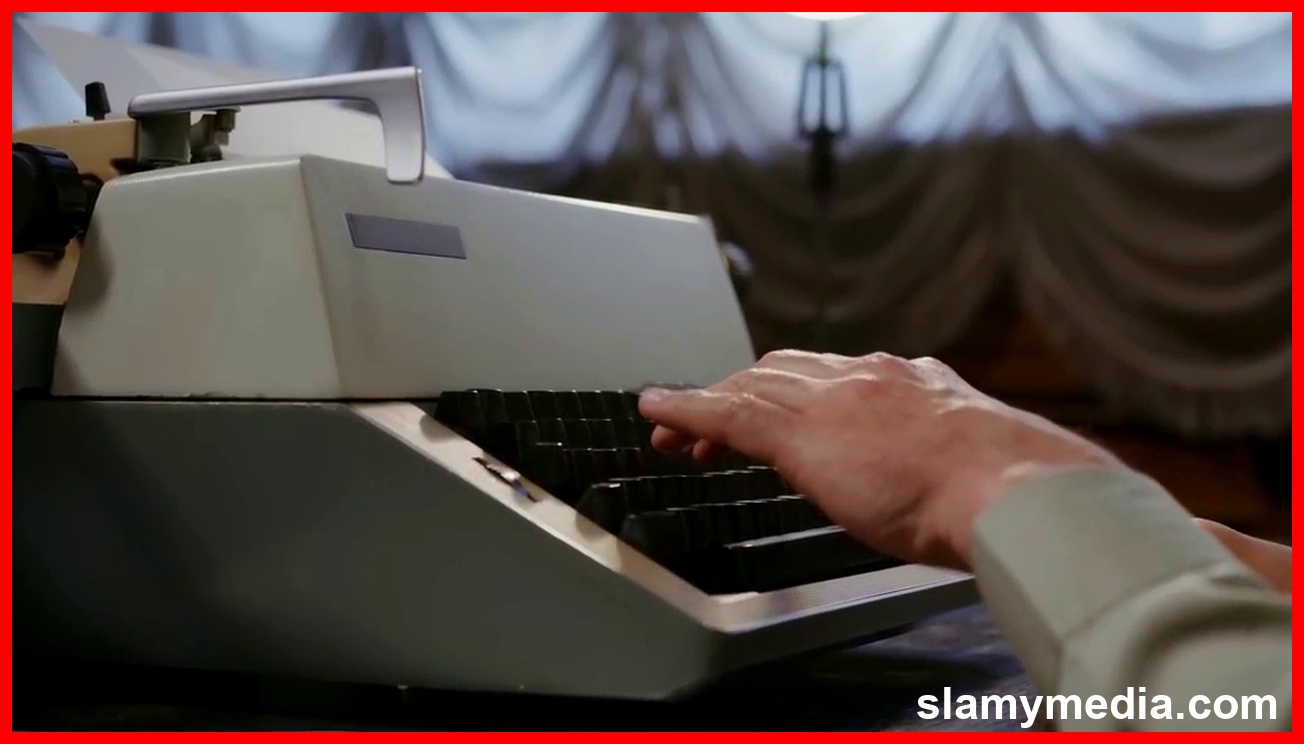
writers. And when he started designing the keyboard, he made a choice that seemed completely natural. He arranged the keys in alphabetical order. Because why would you do anything else?
Early versions of his machine looked very different from the keyboards we know today. Some designs looked almost like a small piano. The keys were arranged in rows. The letters were easier to find. And for a beginner, the idea made perfect sense. Need the letter A? Look near the beginning. Need the letter Z? Look near the end. Simple. But there was one major problem. The machine was mechanical. And mechanical machines do not always behave the way humans want them to. Inside an old typewriter, every key was connected to a small metal arm. This arm was called a typebar. At the end of each typebar was a tiny piece of metal with a letter on it. When you pressed a key, the typebar would swing upward. It would strike an ink ribbon, then it would hit the paper. That impact printed the letter. It was simple, but it was also delicate. Because all of those metal arms had to move through the same narrow space. Imagine dozens of little metal hammers all trying to strike the same spot. Now imagine someone typing quickly. One key goes up, then another, then another. 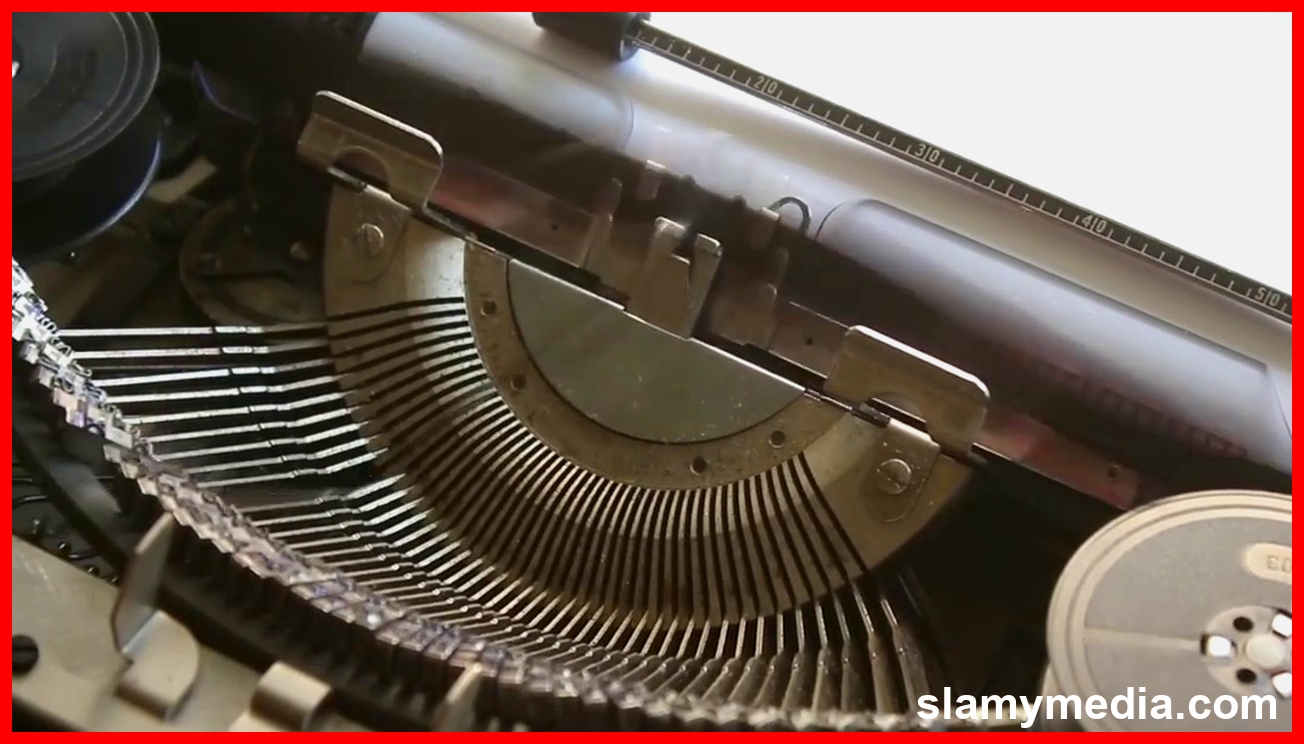
If two nearby typebars move too close together, they could collide. They would jam in the middle of the machine. The typist would have to stop. Open the machine, pull the tangled metal arms apart, wipe
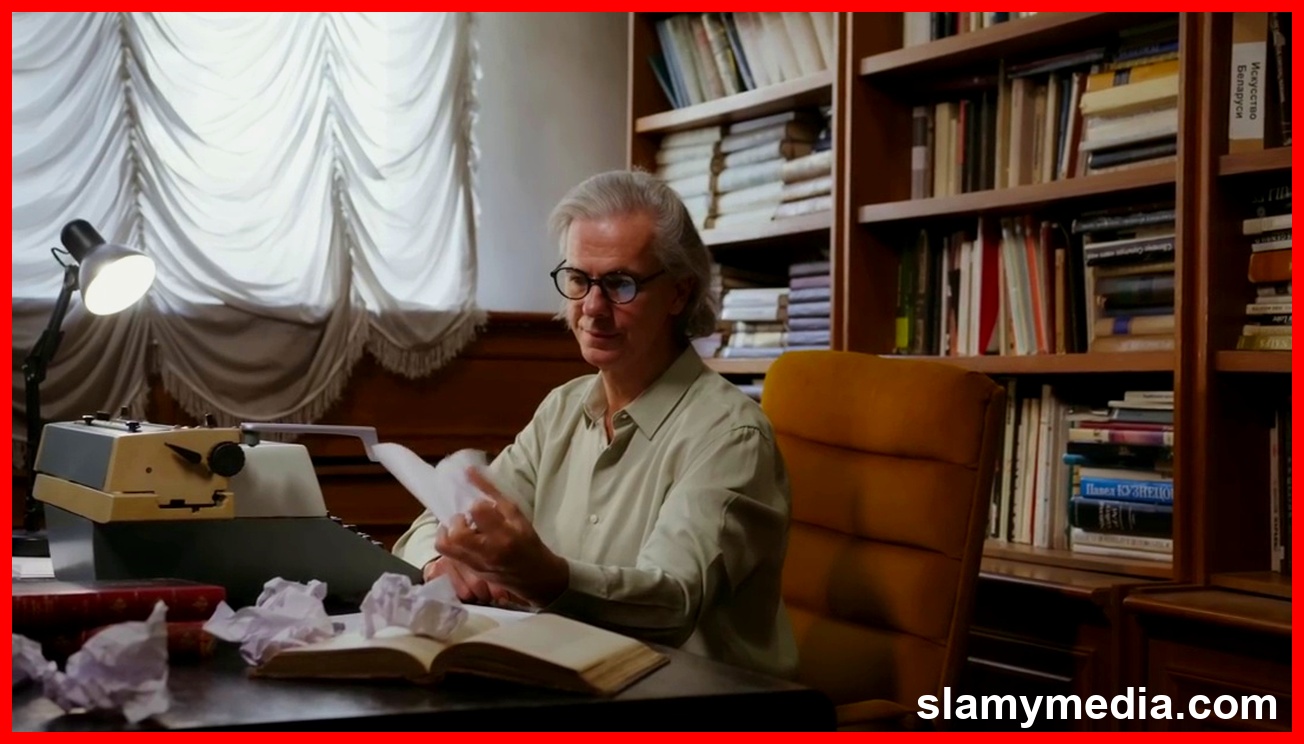
The solution came from an unexpected place. A 19th-century telegraph operator named Christopher Latham Sholes (wait, that's the same person) realized that the alphabetical order was causing jams. He redesigned the keyboard to spread out frequently used letters, reducing the chance of metal arms colliding. This innovation became known as the QWERTY layout. It was a business decision, not a design one, but it has shaped the way we type for over a century.
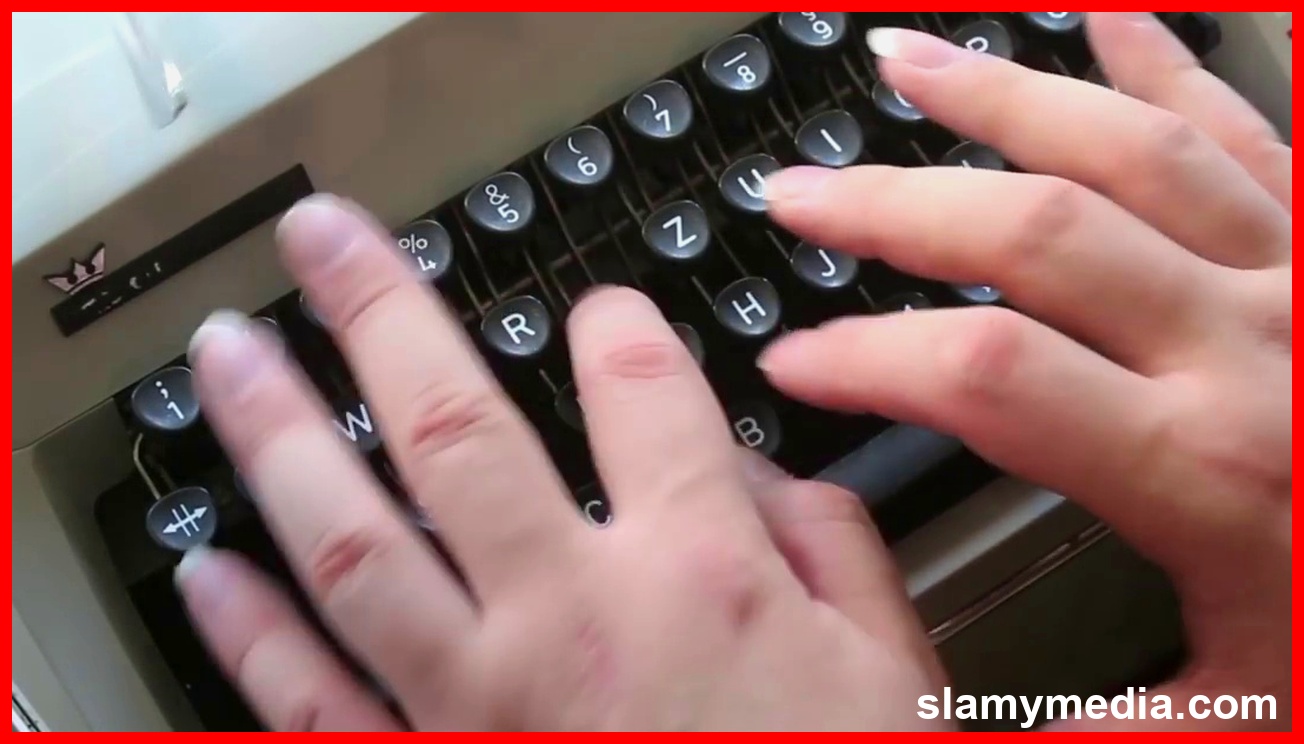
Today, the QWERTY layout remains the standard despite the fact that it was not designed for efficiency. Modern keyboards have evolved to accommodate faster typing, but the fundamental structure remains. The layout's persistence is a testament to its initial success in solving a mechanical problem, even though that problem no longer exists. So the next time you type, remember that your fingers are following a design that's more than 150 years old.
Disclaimer: This article was compiled and adapted from historical reporting and enhanced for readability. Some quotes may be paraphrased for clarity.


Conversations (0)