

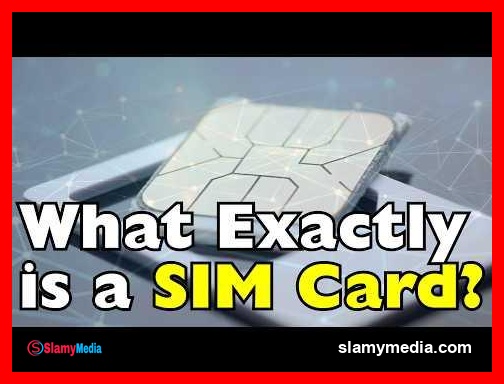
What Exactly Is a SIM Card? The Invisible Identity Inside Your Phone
You've probably swapped it, lost it, or panicked when your phone said it wasn't detected. It's tiny, so small it could sit on your fingernail, yet without it your smartphone becomes little more than a glowing brick. No calls, no texts, no mobile data, just vibes and Wi-Fi. But here's the strange part.
Key Takeaways
- It's tiny, so small it could sit on your fingernail, yet without it your smartphone becomes little more than a glowing brick.
- No calls, no texts, no mobile data, just vibes and Wi-Fi.
In-Depth Analysis
This microscopic chip somehow tells the entire cellular world who you are. Think about that for a second. Your identity, at least in the eyes of your mobile network, lives inside a sliver of plastic and silicon. Not your phone, not your apps, just that tiny card.
So how does something so small hold so much power? What exactly is a SIM card? Let's find out together. Right here, on History of Simple Things. A SIM card stands for Subscriber Identity Module. And while that might sound technical, the idea behind it is surprisingly simple.
"Your identity, at least in the eyes of your mobile network, lives inside a sliver of plastic and silicon."
It's essentially a secure storage device that holds information used to identify you on a mobile network. 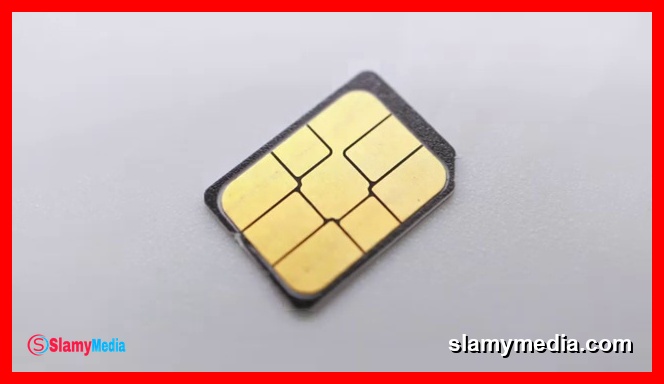
When you insert a SIM card into your phone, you're not just activating a piece of hardware, you're plugging into a global system of communication. Your SIM tells the network, hey, this is me. And the network responds by granting access to services calls, text messages, and mobile data.
Inside the SIM card is a unique number called the IMSI or International Mobile Subscriber Identity. This number is your phone's passport. It's how your carrier recognizes you among millions, sometimes billions, of other users. Without a SIM card, your phone has no official identity in the cellular world.
It's trying to enter a country without a passport. You're just not getting in. So what exactly does a SIM card store? Aside from your IMSI, it also contains authentication keys, secret codes that prove to the network that you are who you claim to be. This is crucial because mobile networks need to prevent fraud and unauthorized access.
When older SIM cards, you could even store contacts and text messages directly on the 
card itself. That's why years ago, switching phones was as simple as moving your SIM. Your contacts would come along for the ride. But modern smartphones have mostly shifted storage to internal memory and cloud services.
Today the SIM's primary job is identity and authentication. Still don't underestimate it. Every time you make a call, send a text or use mobile data, your SIM is quietly working behind the scenes, constantly verifying your identity with the network. SIM cards didn't always look the way they do today.
In fact, they've been shrinking over time. The earliest SIM cards were about the size of a credit card. Yes, really. These were called full-size SIMs and they were used in early mobile phones back in the 1990s.
Then came the Mini SIM, which is what many people still think of as the standard SIM. After that, the micro SIM made things even smaller. And finally, the Nano SIM arrived. The tiny chip most modern phones used today.
Each version kept the same essential function but reduced the plastic around it. 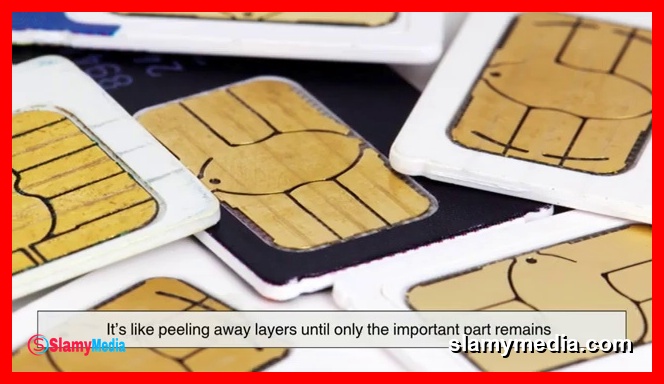
It's peeling away layers until only the important part remains. And now we're entering the era of something even smaller. No physical card at all.
Understanding the Wider Context
An E-SIM or embedded SIM takes everything a physical SIM does and builds it directly into your device. Instead of inserting a card, you download your carrier profile digitally. No swapping, no tiny trays, no risk of losing that microscopic chip on the floor. This shift is changing how we think about mobile connectivity.
Want to switch carriers? You might not need a new card just a few taps on your screen. It's more convenient, more flexible, and opens the door for devices smartwatches, tablets, and even cars to connect to mobile networks without needing physical SIM slots. But despite this advancement, the core idea remains the same. Your identity must be verified before you can access the network.
Here's where things get a little more interesting. When you turn on your phone, it immediately starts searching for nearby cell towers. 
Once it finds one, it sends a request to connect. But it doesn't just say, let me in.
It includes information from your SIM card. The network then sends a challenge, a kind of digital test. Your SIM uses its secret authentication key to generate a response. If the response matches what the network expects, you're in.
This process happens in seconds, sometimes milliseconds. You don't see it, you don't hear it, but it's happening every time your phone connects. It's a bit a secret handshake between your SIM and the network. Get it right, and you're trusted.
Get it wrong, and access is denied. It's easy to overlook SIM cards because they're so small and hidden. But without them, modern mobile communication wouldn't work the way it does. They make it possible for you to switch phones without changing your number.
They allow international roaming, so your phone can work in different countries. And they provide a layer of security that protects your identity on the network. In many ways, your SIM card is more you than your phone itself. You can replace your device, but your SIM, your identity, stays the same.
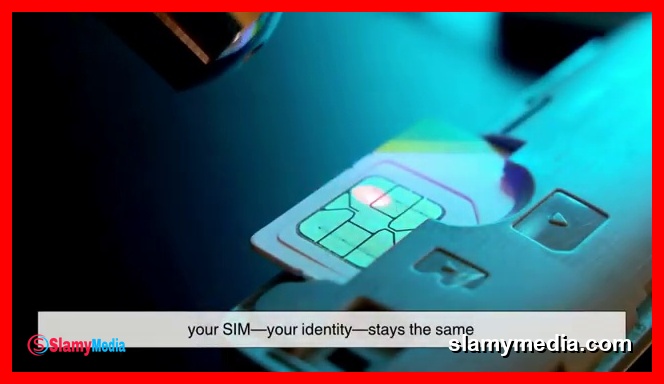
That's why losing a SIM card can feel losing a part of your digital life. It's not just hardware, it's access. So the next time you pop open that tiny SIM tray or see those little gold contacts, remember. You're looking at the key to your mobile identity.
It's not flashy. It doesn't have a screen, it doesn't run apps, but without it, your smartphone loses its connection to the world. From bulky credit card size beginnings to invisible embedded chips, the SIM card has quietly evolved alongside our technology, staying essential every step of the way. And now, that once overlooked piece of plastic carries a whole new meaning.
Thank you for watching. If you have suggestions for our next video, feel free to share them in the comments below. We'll be sure to give you an acknowledgement for your contribution. Thank you for joining us on this journey through the history of simple things.
Don't forget to , subscribe, and stay tuned for more stories woven through the smallest details..
Disclaimer: This article provides a synthesized overview based on current developments. As technology and events evolve, staying informed is crucial. Stay tuned to SlamyMedia for continuous coverage and expert insights.


Conversations (0)
Please log in to join the conversation.