

Timeless Tales: How Old Clocks Shaped America's Future
Key Takeaways
- Early American clocks were masterpieces of craftsmanship, built to last generations.
- Timekeeping evolved from handmade gearwork to standardized time zones, driven by railroads.
- Antique clocks are more than relics—they're living history, connecting past and present.
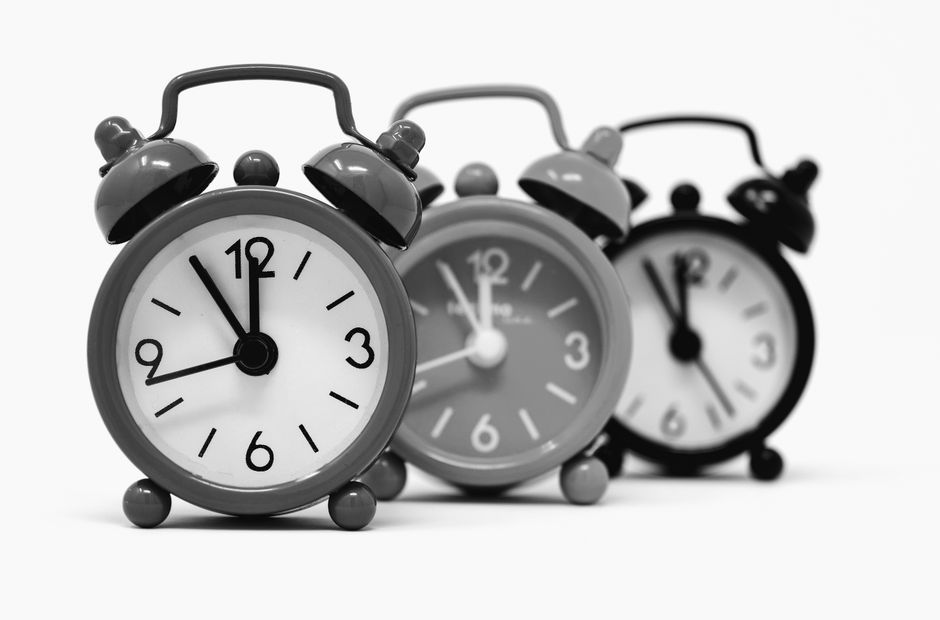
Before digital clocks, timekeeping was a marvel of human ingenuity. Imagine relying on a machine of gears and springs built by hand to bring order to your day. Clocks were more than tools—they were symbols of progress and silent witnesses to history. In early America, owning a clock meant you valued order and the future.
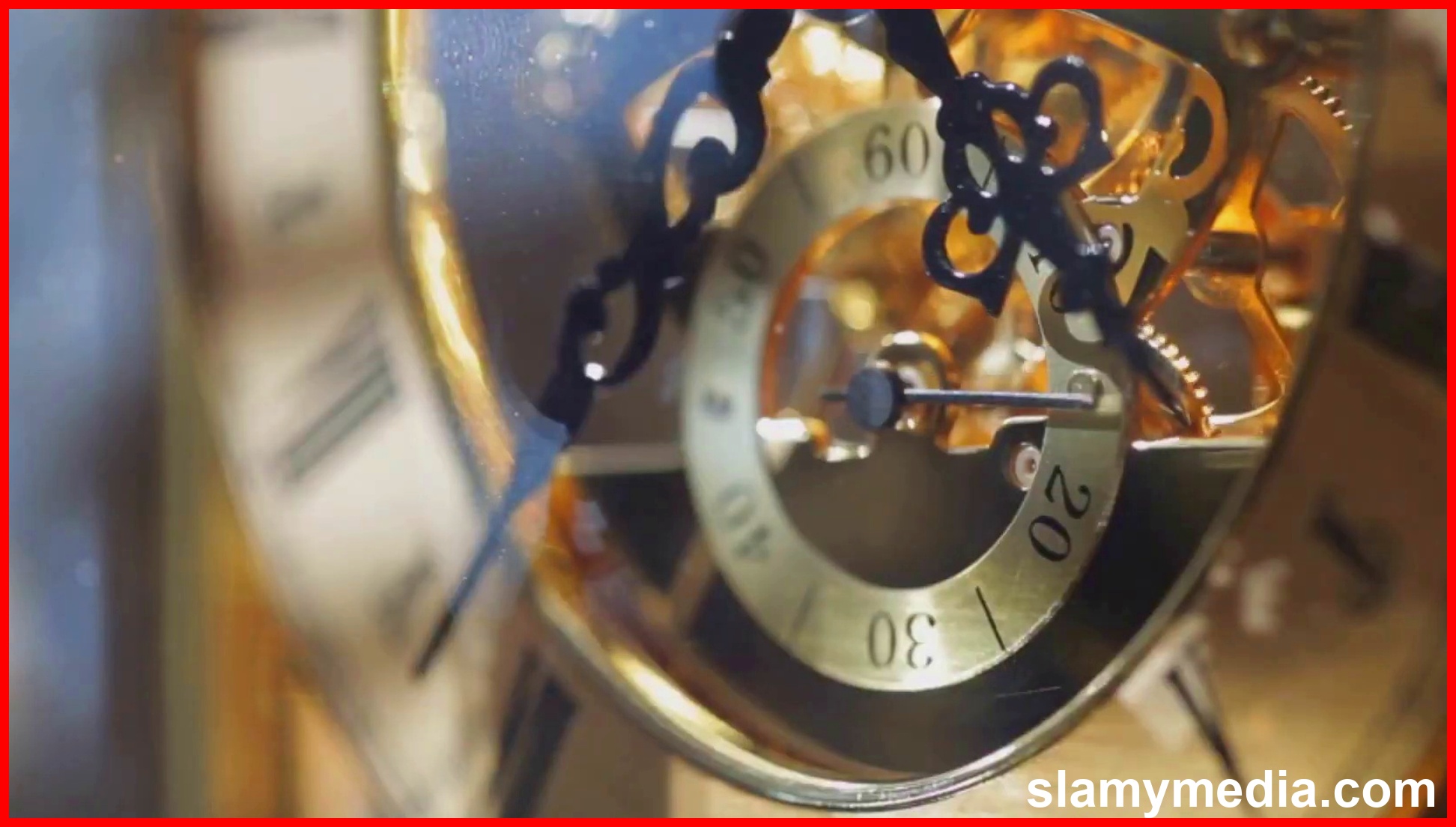
These clocks were not just functional art; they were crafted with skill and patience, each piece a testament to the era's craftsmanship. One mistake could ruin the entire clock, making the name on the dial a promise of quality. A clock was the heart of the home, its chimes marking daily life and bringing order.
They were built to last, using dense woods and quality brass, designed for repair, not replacement—a legacy, not a disposable gadget. Each clock was a centerpiece, a symbol of pride and reliability. 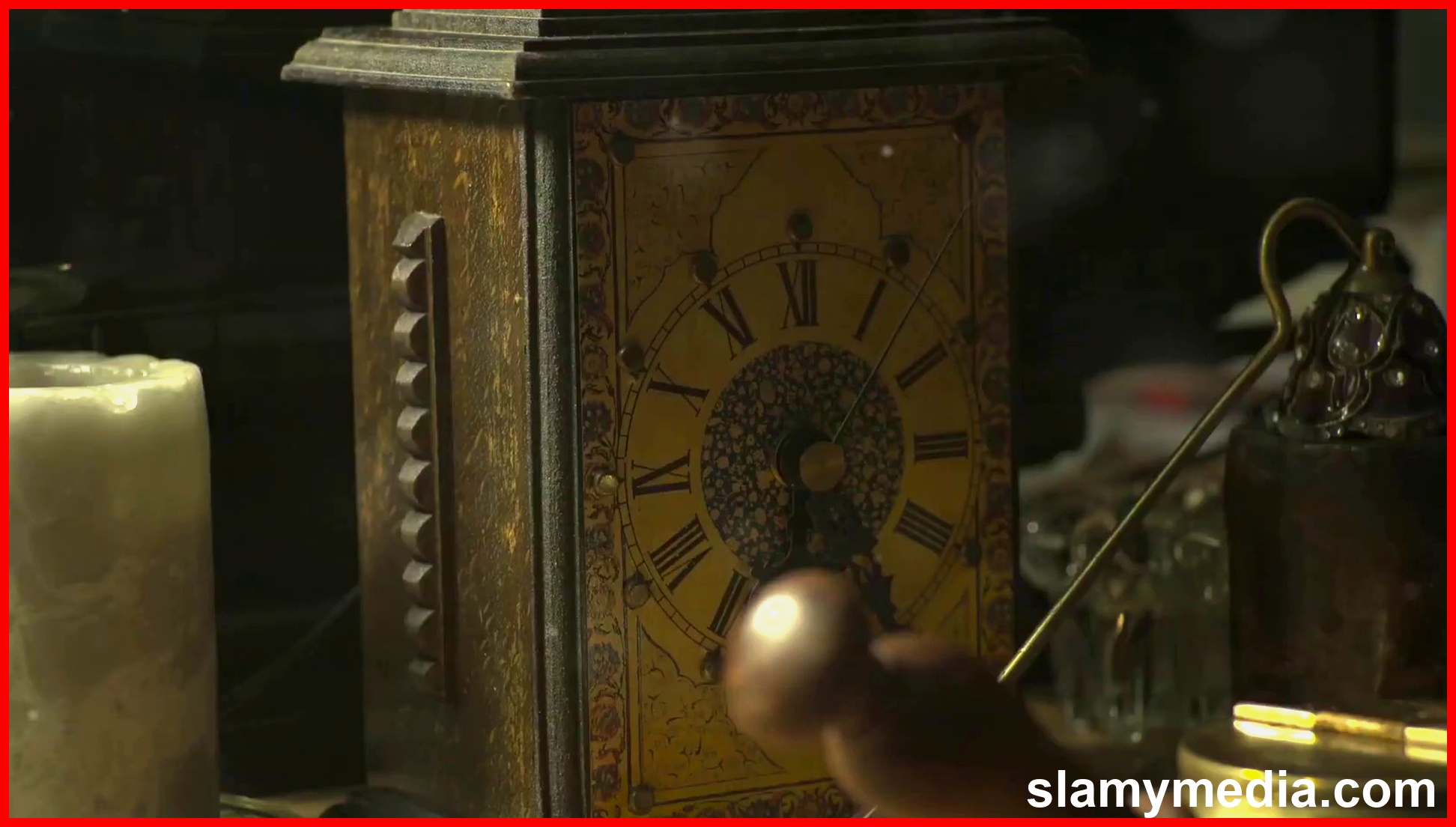
Clockmakers built for the future, knowing their work would outlive them. Their craftsmanship still ticks today, a testament to their skill. That's the legacy they left behind. Clocks didn't just change homes; they transformed entire towns.
The town clock, often in a church steeple or tower, became a symbol of unity and pride. Its chimes organized daily life from opening shops to ending the work day. The clockkeeper's job was vital, keeping the town's rhythm steady and reliable. Shared timekeeping laid the foundation for punctuality and efficiency. The town clock taught discipline, preparing communities for the industrial age. It was the silent pulse that drove growth, one tick at a time.
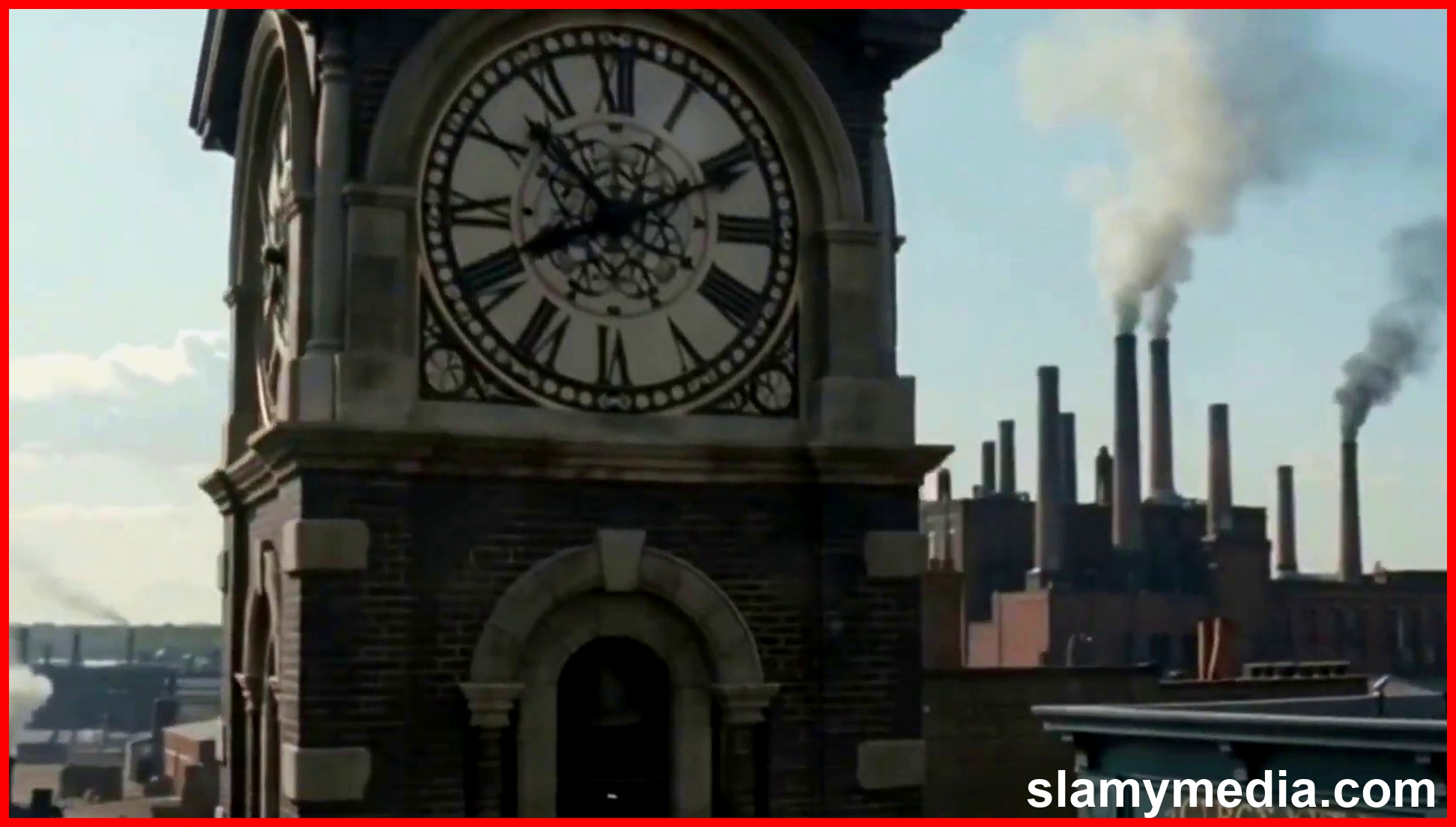
For factories and trains, people learned to live by the clock. The town clock was the heartbeat of progress. Here at Nostalgia Nuke Antiques, we've learned that collecting often starts with curiosity. One interesting clock, one fascinating story, and before long you're seeing history in a whole new way.
The railroads changed everything, connecting cities and shrinking distances, but they needed standardized time. Local solar time varied from town to town, causing chaos for train schedules. In 1883, railroads introduced four time zones, synchronizing the nation with a single telegraph signal. Suddenly America ran on the same clock, a revolution in how people lived and worked.
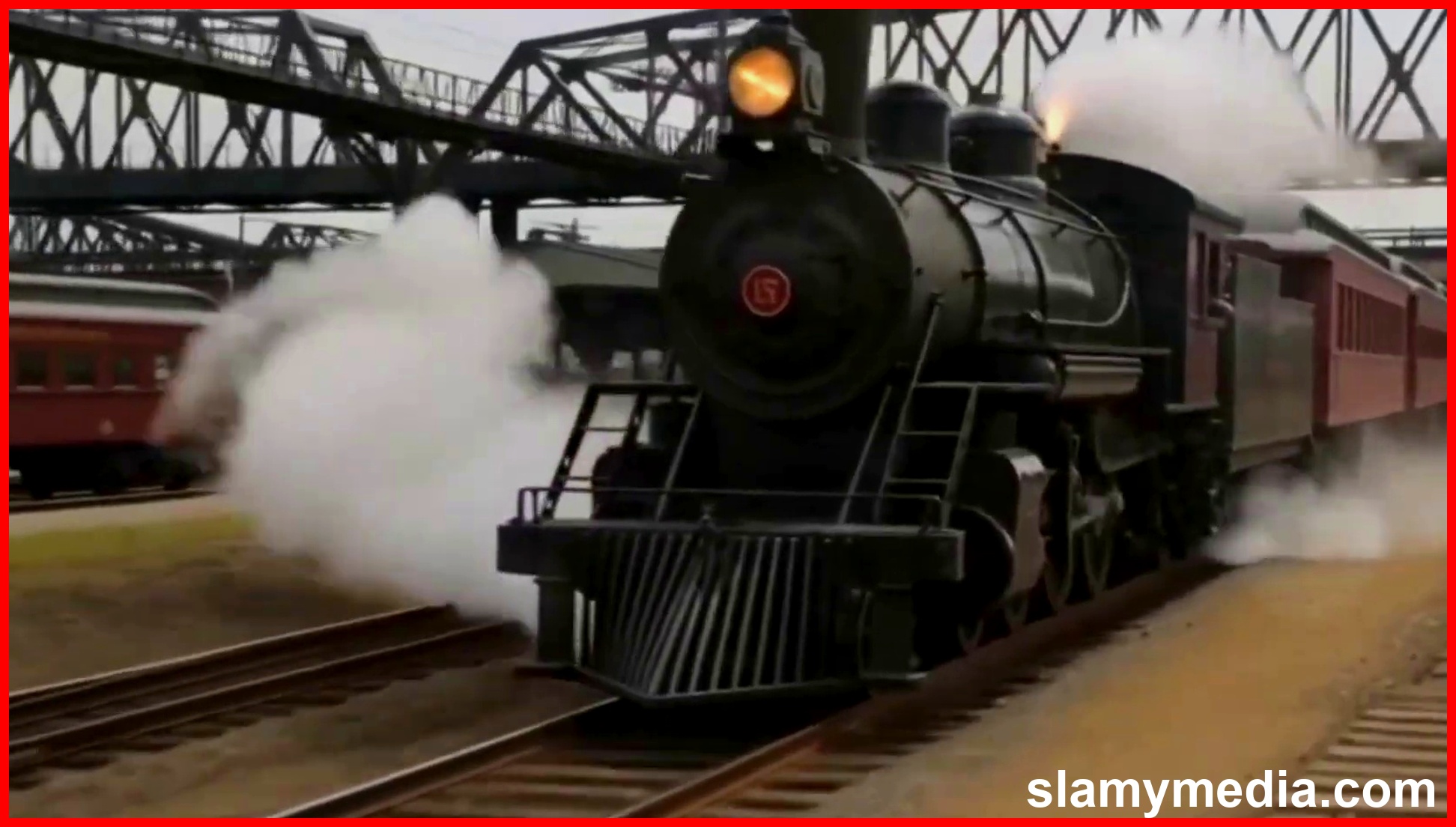
This era demanded precision. Railroad watches had to be accurate to the second. These watches became symbols of responsibility and progress. The railroads' time enabled modern industry, commerce, and communication. The railroad watches' steady tick became the nation's new heartbeat. Time was now national, precise, and essential for a growing country. All because the trains had to run on time, that's one reason we enjoy sharing these stories at Nostalgia Nuke Antiques.
Behind every antique clock, a piece of American history waits to be rediscovered. Many old clocks still tick today, cherished by collectors who see them as capsules of history. Each clock tells a unique story, its scratches, makers mark, and worn keys are proof of a life 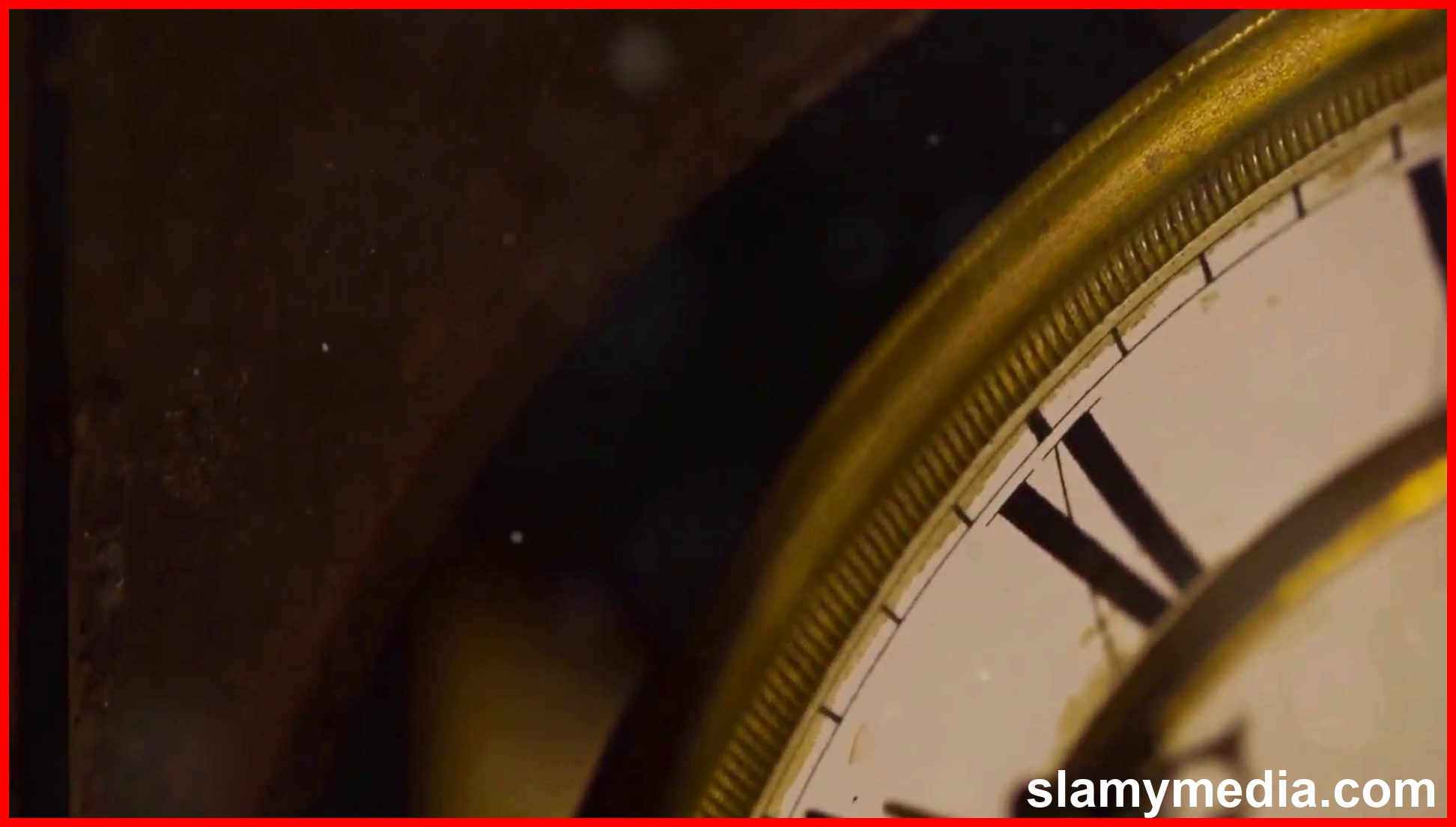
well-lived. Collectors research origins, seeking authenticity, and a tangible link to the past. These clocks survived because they were built to last, designed for repair, not replacement. Skilled clockmakers can revive silent movements, bringing history back to life. Their satisfaction in hearing a centuries-old clock tick again. A victory over throwaway culture.
Disclaimer: This article was compiled and adapted from historical reporting and enhanced for readability. Some quotes may be paraphrased for clarity.



Conversations (0)