

Uncovering the History Behind Coin's Two Sides
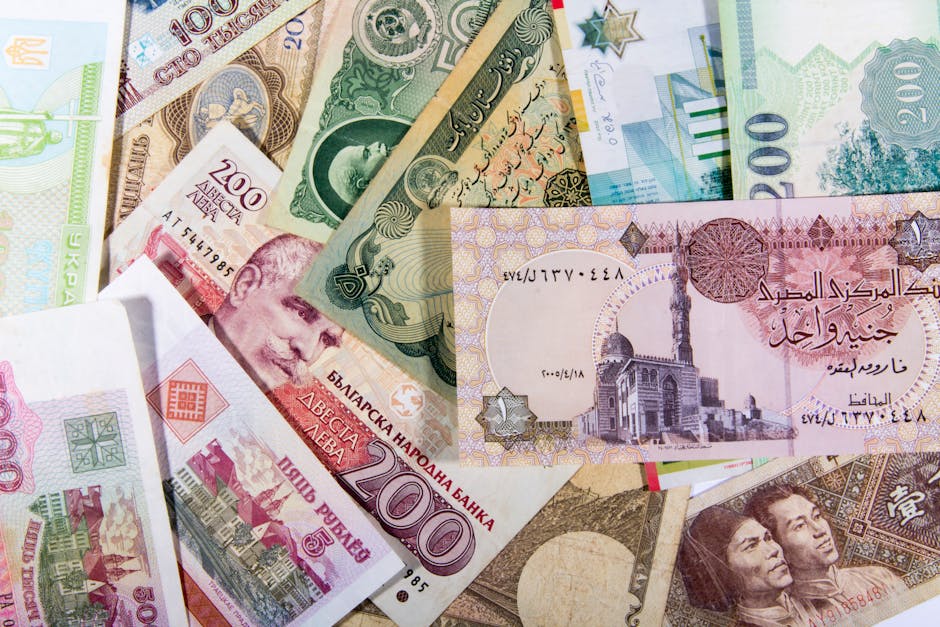
Have you ever flipped a coin to make a decision and stop just for a second to wonder why it even has two different sides? Heads or tails, winner lose, yes or, no? That tiny spinning disc has settled arguments, chosen leaders, and decided life's smallest yet most dramatic moments. But the real mystery isn't who wins the flip. That's why coins were designed this way in the first place. Why not just one side? Why a face? Why symbols? And why do cultures across thousands of years and continents all seem to agree that coins must have two distinct sides?
Key Takeaways
- Coins originated over 2,500 years ago in ancient Lydia, now modern-day Turkey.
- Early coins were made from electrum, a mix of gold and silver, and featured official marks to ensure trust and value.
- Coin design evolved to serve both practical and symbolic purposes, with one side showing authority and the other conveying meaning or value.
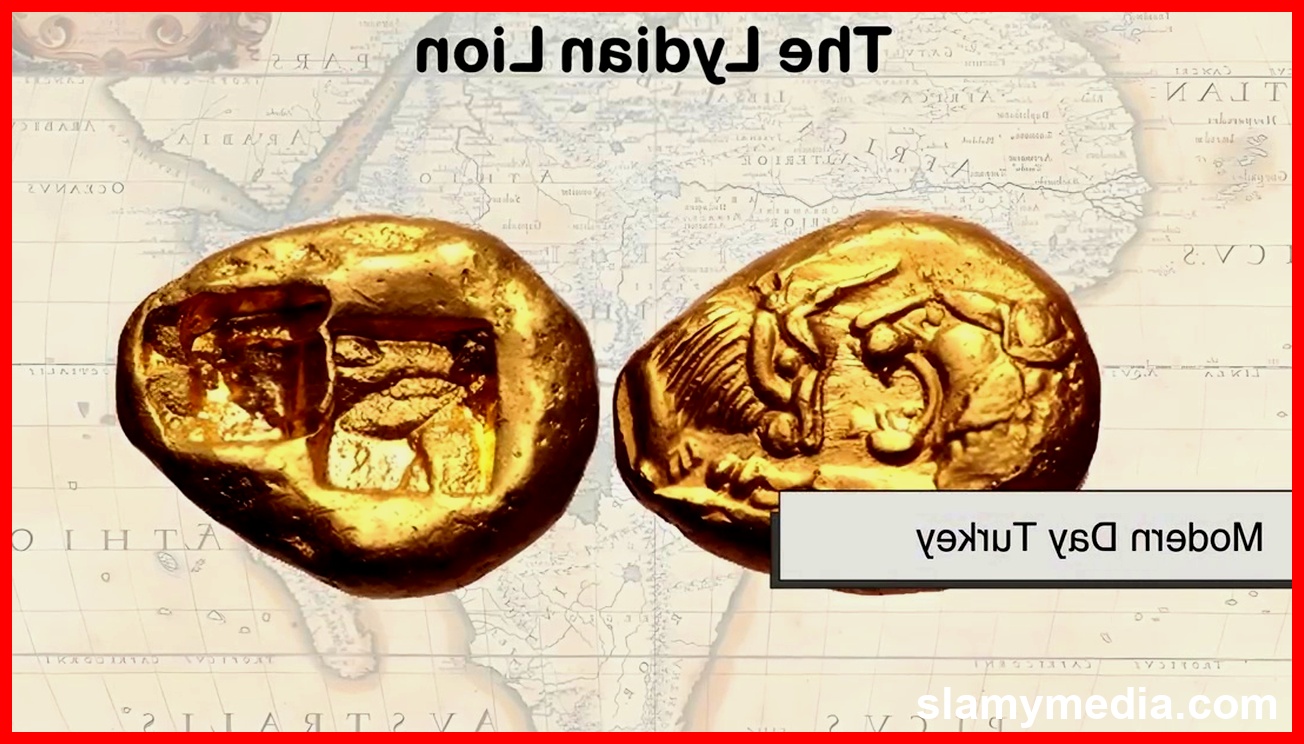
To uncover the answer, we need to travel back in time, long before vending machines, piggy banks, or pocket change. Back to when money itself was a radical idea. Let's explore right here on History of Simple Things. The story of heads and tails begins over 2,500 years ago when the first metal coins were minted in ancient Lydia, a kingdom in what is now modern day Turkey.
These early coins were made from electrum, a natural mix of gold and silver, and they weren't perfectly round or uniform like today's coins. What mattered wasn't beauty, it was trust. To prove a coin's value, rulers stamped an official mark on one side, often a symbol of power like a lion or bull. This mark acted as a guarantee, the metal was genuine, the weight was correct, and the authority behind it was real. The other side was usually left blank or bore simple punch marks from the minting process.
From the very beginning, coins naturally developed two sides, one to show authority, the other as a functional result of how coins were made. As coin making evolved, rulers quickly realized something important. Coins were more than money, they were messages. The head side often featured the face of a king, queen, emperor, or deity. This wasn't just decoration. In a world without mass media, coins became a powerful tool for propaganda. Every time someone paid for food or wages, they saw the rulers face staring back at them, 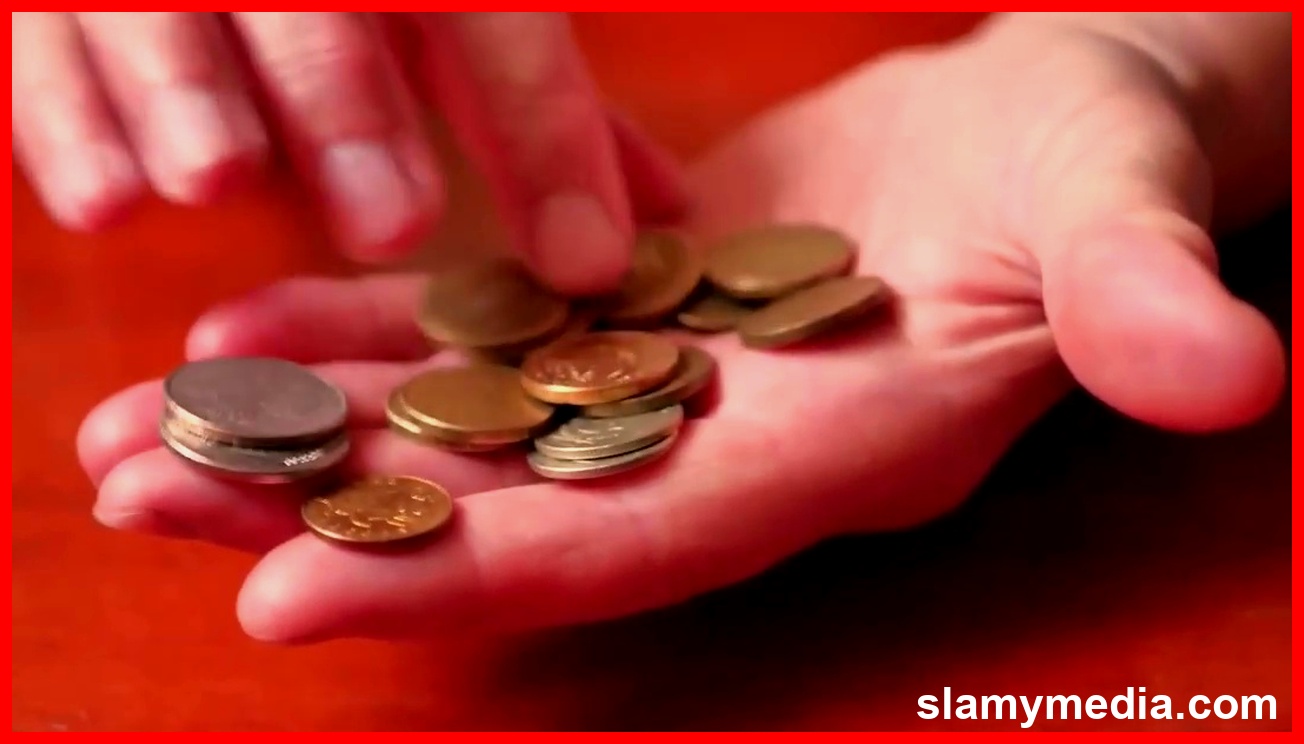
reinforcing who was in charge. Probably a Caesar famously placed his own portrait on Roman coins while still alive, something considered shocking at the time. It sent a clear message across the empire. This is power made permanent in metal.
Meanwhile the opposite side, the future tales, was used to display symbols of the state, military victories, gods or important values. Later both sides told a story, who ruled and what they stood for. But the idea of heads and tails isn't universal in name, only in concept. Different cultures had different interpretations. In ancient China, coins were often round with a square hole in the center, symbolizing heaven and earth. One side usually bore inscriptions naming the emperor or era, while the other remained simpler. In medieval Europe, coins displayed crosses, coats of arms, or religious symbols opposite the ruler's image. Even when faces weren't used, the principal remained the same. Two sides each serving a purpose, identity on one side, meaning or value on the other. 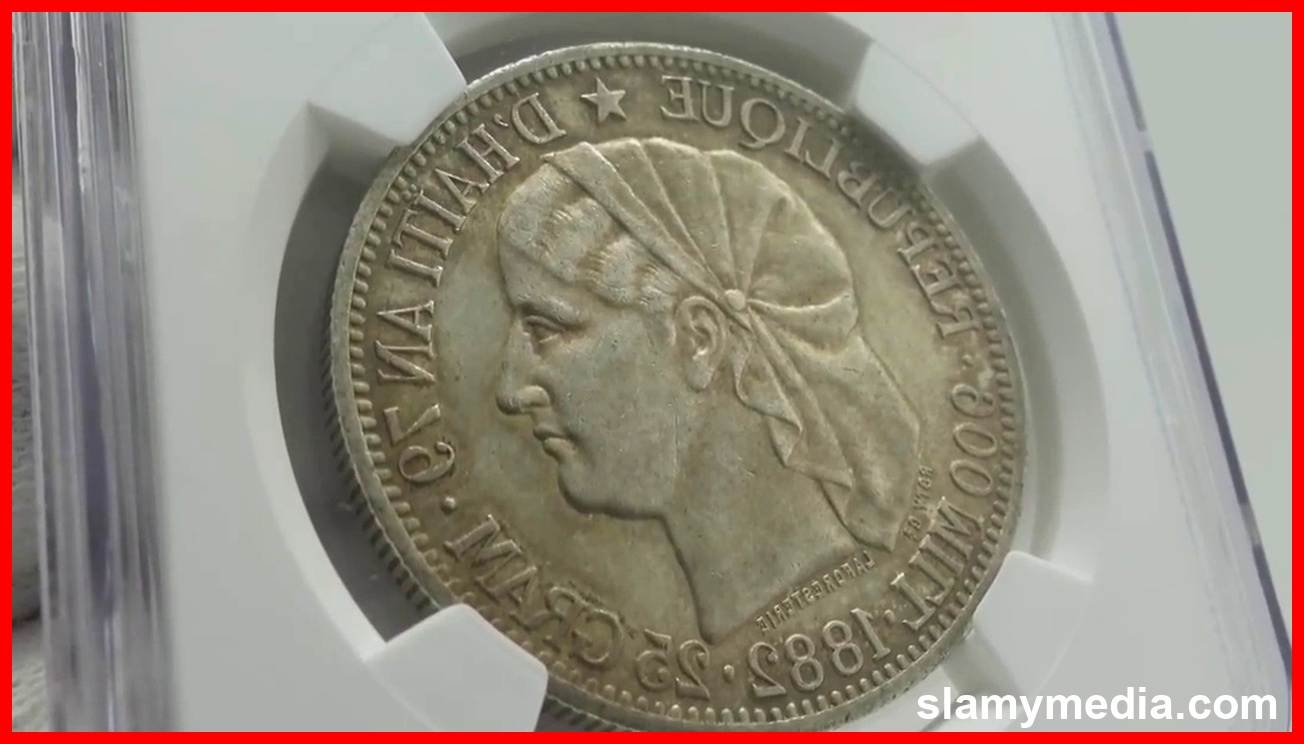
Over time people naturally began referring to the side with the face as heads, and the opposite side as tails, a term that may come from older English words referring to the reverse or back of an object. There's also a practical reason coins have two distinct sides, preventing counter-fitting. A coin with detailed designs on both sides is much harder to fake than one with a single mark. Unique imagery, inscriptions, and patterns allowed merchants and citizens to quickly spot real currency. As minting technology improved, edges were added with ridges or lettering to stop people from shaving off small amounts of precious metal. Head-to-tail, front, back, and edge worked together to protect trust in the currency. Heads and tails weren't just artistic choices, they were early security features in a global system of trade. The two-sided nature of coins also made them perfect tools for chance. Along before modern games or statistics, people used coins to make fair decisions.
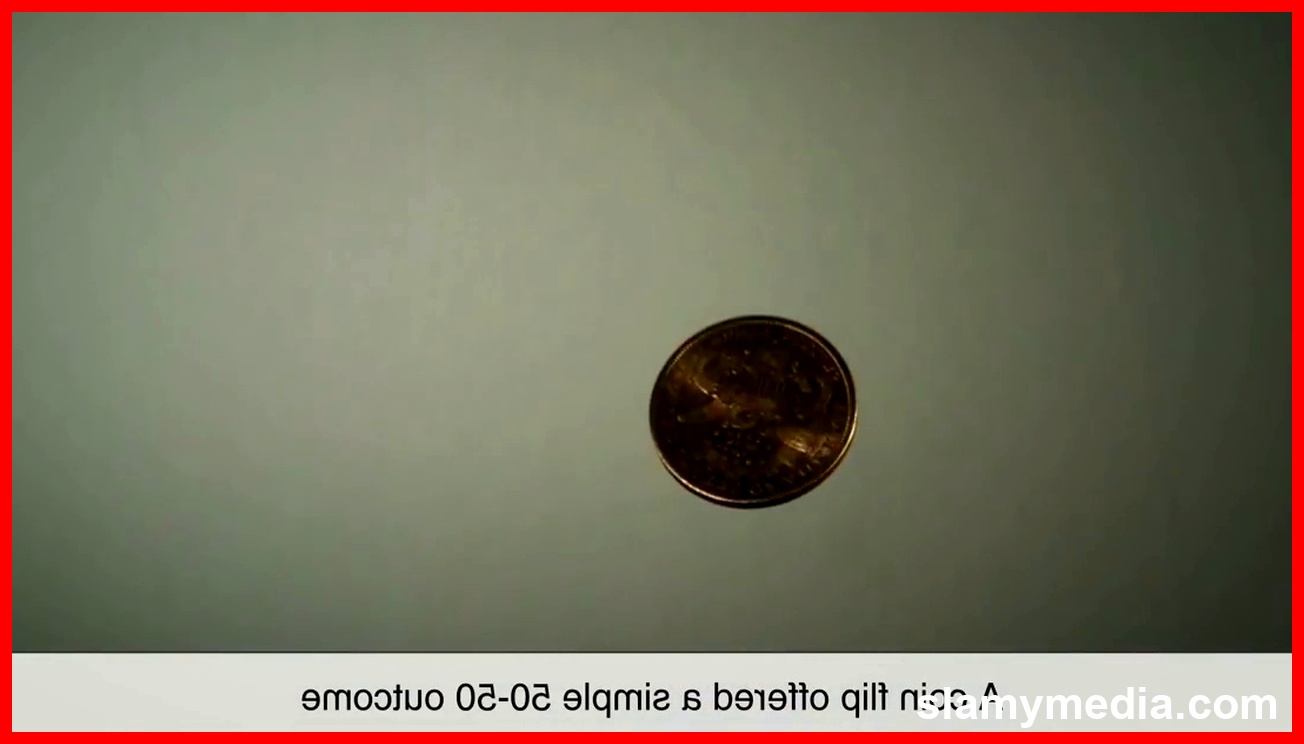
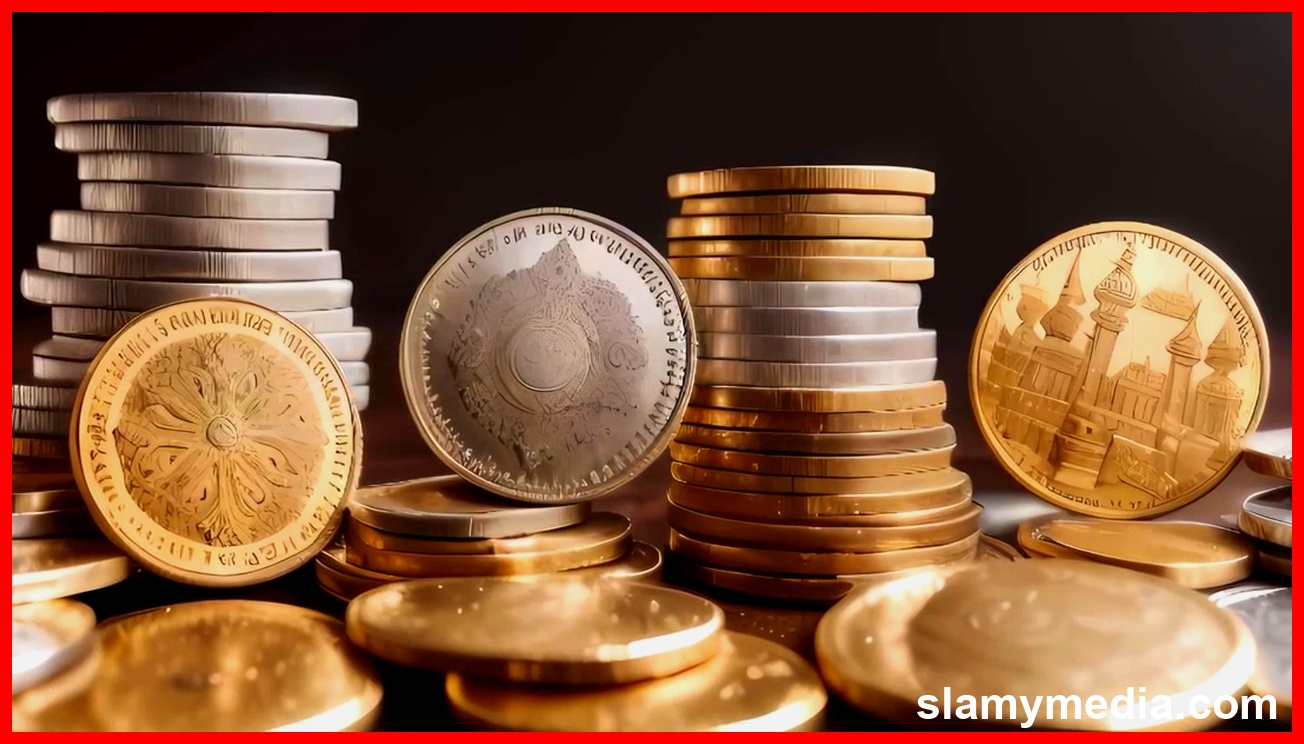
From ancient Lydia to modern currency, the design of coins has evolved to serve both practical and symbolic purposes. The two-sided nature of coins has become an enduring symbol of balance, choice, and the power of small decisions that shape our lives.
Report By Tert Slamy


Conversations (0)