

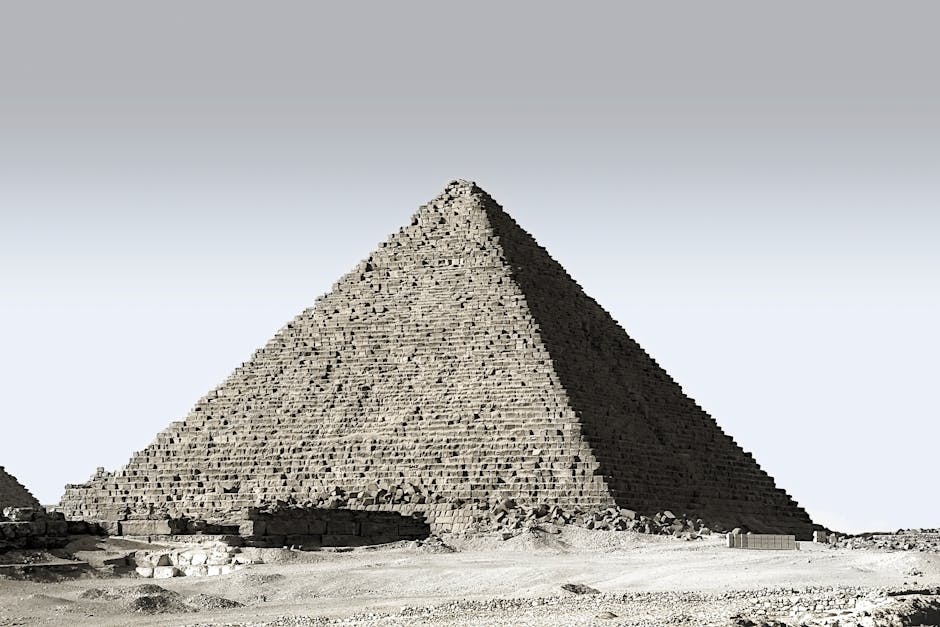
The Great Pyramid of Giza: 4,500-Year-Old Construction Mystery Unveiled
As soon as Faro Kuhu ascended the throne circa 2575 BCE, work on his eternal resting place began. The Structure's architect, Hemi Unu, determined he would need 20 years to finish the royal tomb. But what he could not predict was that this monument would remain the world's tallest man-made structure for over 3,800 years.

To construct the Great Pyramid, Hemi Unu would need to dig a 6.5-kilometer canal, quarry enormous amounts of limestone and granite, and use kilometers of rope to pull stones into place. Today, there are still vigorous debates about the exact methods the Egyptians employed.
Key Takeaways
- Hemi Unu planned the Great Pyramid's construction over 20 years, but its design defied time and remained the tallest structure for millennia.
- Construction required massive resources, including a 6.5-kilometer canal, limestone and granite quarries, and a labor force of 25,000 workers.
- Contrary to popular belief, workers were not enslaved but housed and fed with better rations than the average Egyptian.
The Egyptians spoke of death as going west like the said in Sun, and the Niles West Bank had a plateau of bedrock that could support the pyramid better than shifting sand. In a brilliant time-saving move, Mason's carved the plateau itself to look like the stones used for the rest of the pyramid. At this level foundation in place, construction could begin.
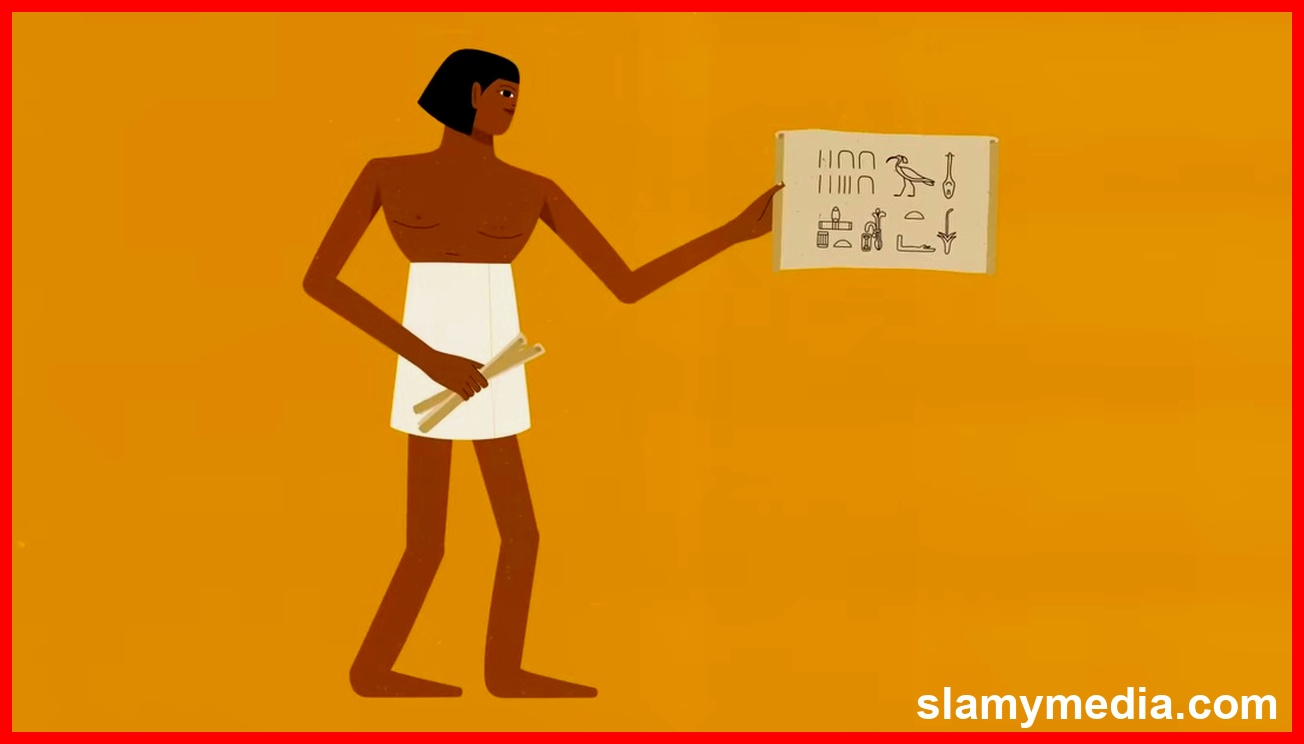
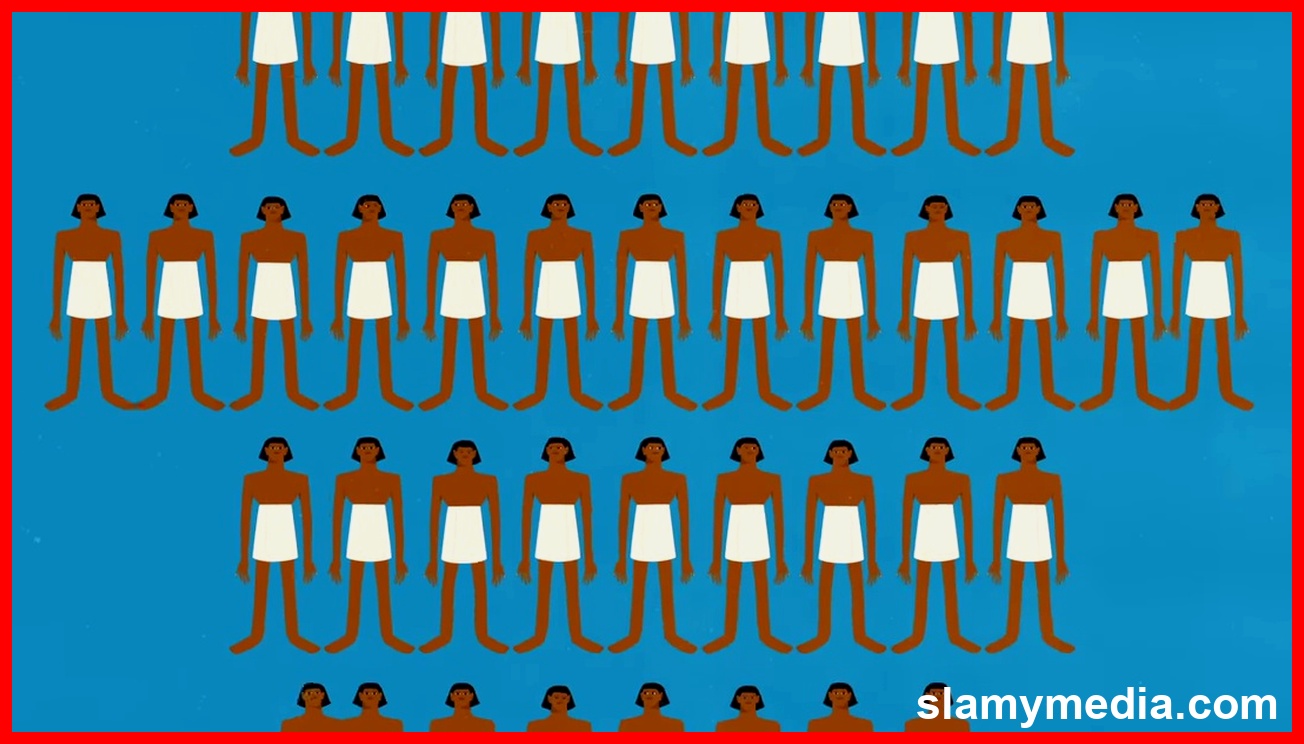
The project called for a staggering 25,000 workers, but fortunately, Hemi Unu had an established labor supply. Egyptians were required to perform manual labor for the government throughout the year, and citizens from across the country came to contribute. Workers performed a wide range of tasks, from crafting tools and clothes, to administrative work to backbreaking manual labor.
But contrary to popular belief, these workers were not enslaved people. In fact, these citizens were housed and fed with rations better than the average Egyptian could afford.
To complete the project in 20 years, one block of stone would need to be quarried, transported, and pushed into place every three minutes, 365 days a year. Workers averaged 10-hour days, hauling limestone from two different quarries. One was close to the site, but its fossil-lined yellow stone was deemed suitable only for the pyramid's interior. Stones for the outside were hauled from roughly 13 kilometers away, using 9-meter-long sleds made from giant cedar trunks.
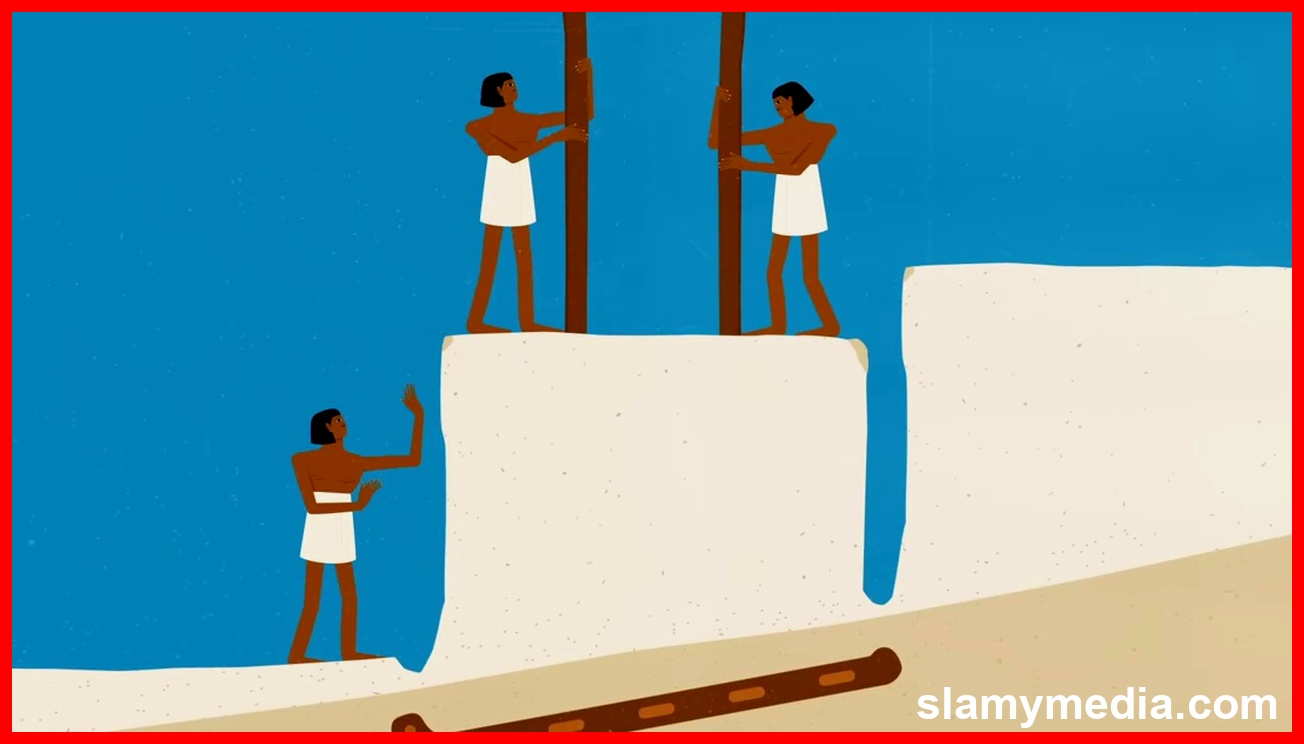
When mine from the ground, limestone is soft and splits easily into straight lines. But after air exposure, it hardens, requiring wooden mallets and copper chisels to shape. The pyramid used over 2 million stones, each weighing up to 80 tons. And there was no room for error in how they were shaped. Even the smallest inaccuracy at the bottom of the pyramid could result in a catastrophic failure at the top.
Researchers know where the materials used to build the pyramids came from, and how they were transported. But the actual construction process remains mysterious. Most experts agree that limestone ramps were used to move the stones into place, but there are many theories on the number of ramps and their locations.
The pyramid's exterior is just half the story. Since death could come for the Pharaoh at any time, Hemionu always needed an accessible burial chamber at the ready. So three separate burial chambers were built during construction.

The last of these, known as the King's Chamber, is a spacious granite room with a soaring ceiling located at the heart of the pyramid. It lay on top of an 8.5 meter high passageway called the Grand Gallery, which may have been used as an ancient freight elevator to move granite up the pyramids interior. The pyramid was used for all the pyramids' support beams. Much stronger than limestone, but extremely difficult to shape, workers used Dolorite rocks as hammers to slowly quarry the stone.
To ensure the granite beams would be ready when he needed them, Hemionu dispatched 500 workers in the project's first year so that the material would be ready 12 years later.
Five stories of granite sit atop the King's Chamber, preventing the pyramid from collapsing in on itself. Once complete, the entire structure was encased with white limestone, polished with sand and stone until it gleamed. Finally, a capstone was placed on top, covered with
"The Great Pyramid stands as a testament to human ingenuity and the enduring legacy of ancient Egyptian civilization."
Disclaimer: This article was compiled and adapted from historical reporting and enhanced for readability. Some quotes may be paraphrased for clarity.



Conversations (0)