

Inside Tesla's Breakthrough Semi-Factory
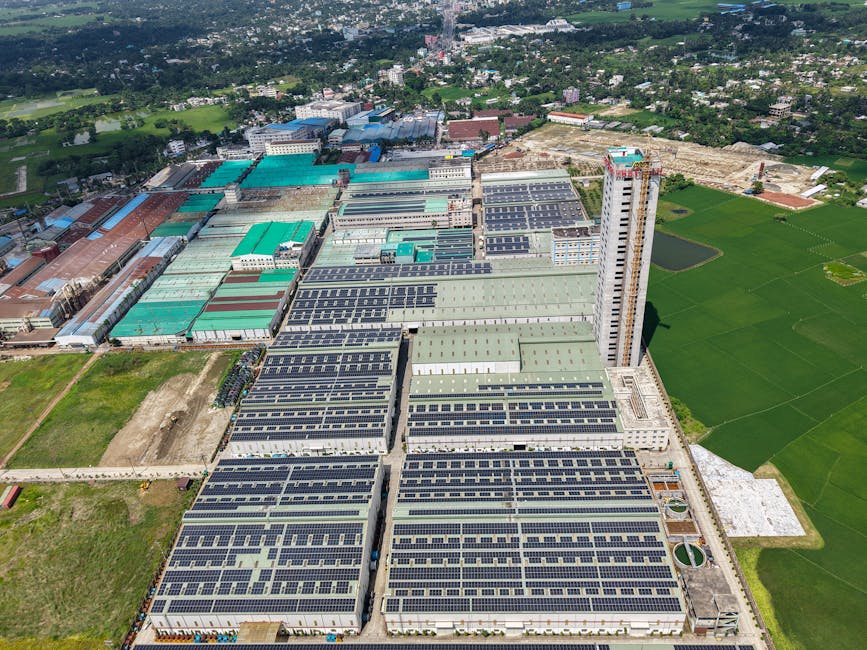
Can you believe it? A factory that can swallow over 10,000 tons of steel and rise from nothing in less than 24 months, but that's only the surface. Right now. Inside the semi-factory of Tesla, massive 4,680 battery packs are being assembled to deliver up to 1.2 megawatts of charging power, enough to power an entire neighborhood, yet compressed into a single truck. And Tesla isn't stopping there. They're making an extreme bet 50,000 semi-trucks per year. So what is really happening inside this factory? Why do the production lines here seem to fly? And why are traditional trucking giants holding their breath watching it? Let's step inside right now.
Key Takeaways
- Tesla's semi-factory uses 3D production to reduce factory footprint by 30-40%.
- Modules are suspended for 360-degree access, boosting productivity by 25%.
- The system dynamically reroutes to maintain over 90% OEE, surpassing traditional plants.
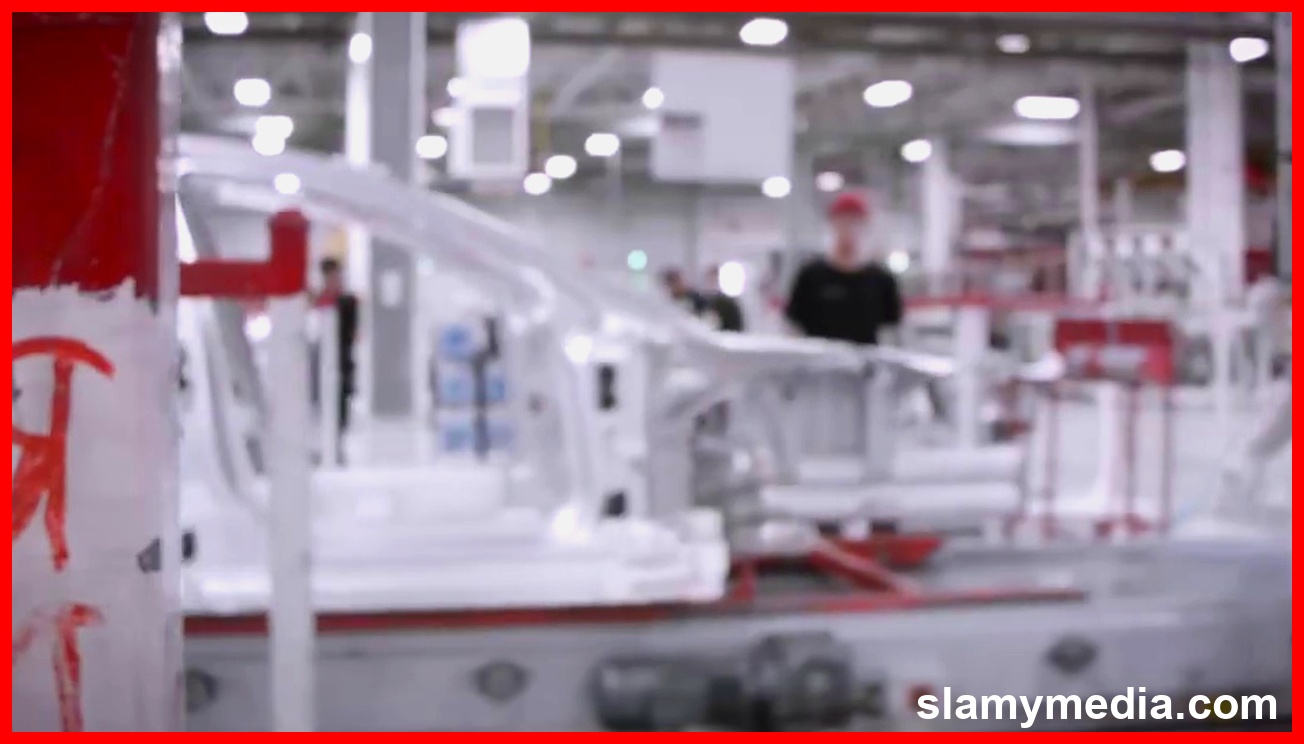
For over a century, vehicles have been built in a straight line. One step follows another. One delay stops everything. Tesla walks away from that entirely. Instead, this factory operates on a modular parallel architecture, an evolution of what many describe as the unboxed process. The cabin, chassis, drive train, and battery systems are built simultaneously in separate zones, only converging at the final marriage point. This changes the math of production. Work no longer cues behind previous steps. Multiple teams operate at once, throughput increases without extending physical line length. In traditional systems, scaling means making the line longer or faster, both capital intensive and operationally fragile. Here, scaling means adding parallel modules. That's why Tesla can target tens of thousands of units annually, with long-term ambitions of around 50,000 heavy-duty trucks per year, without hitting the physical constraints that limit manufacturers like dimelotruck or Volvo trucks.
The deeper question emerges. If production becomes parallel instead of sequential, what is the real limit of manufacturing speed?
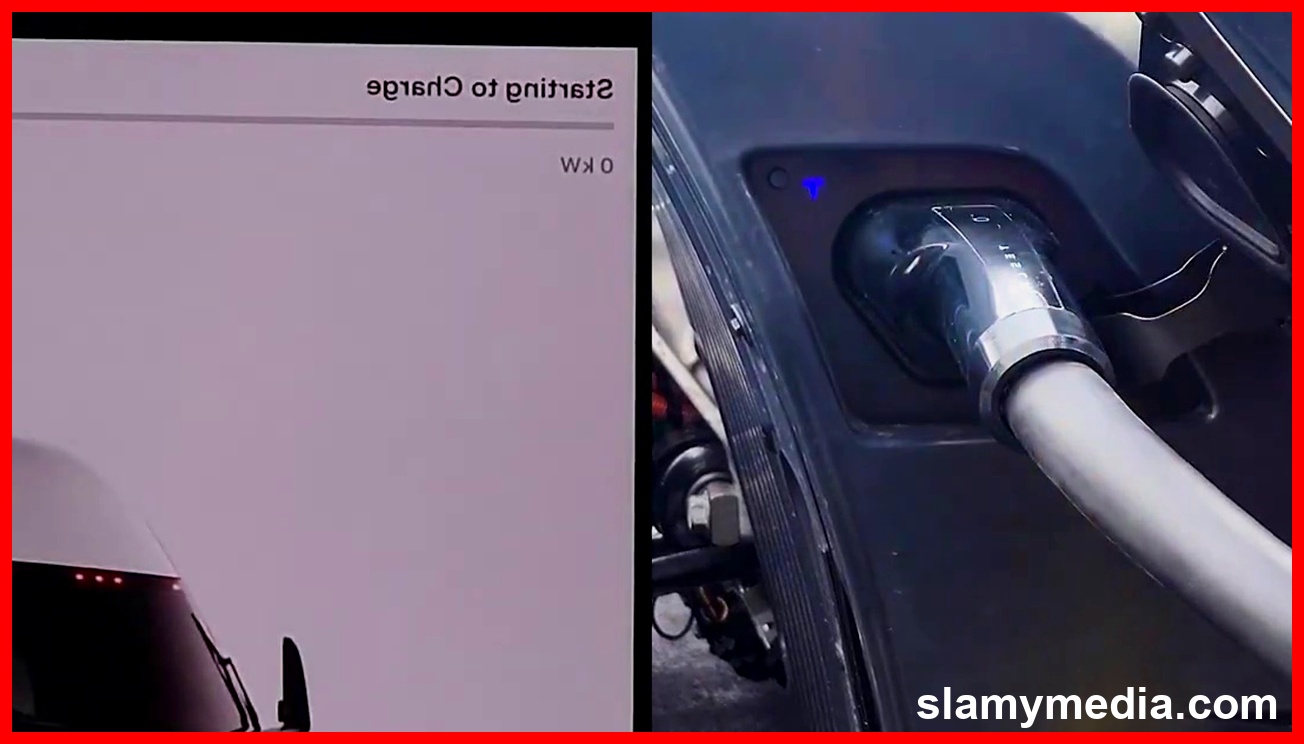
As you continue forward, you reach what used to be Tesla's biggest constraint, battery supply. For years, the delay of the semi wasn't designed. It was energy storage. That bottleneck is now structurally removed, by producing 4,680 battery cells directly at gigafa
The real breakthrough is spatial. Traditional factories are trapped in two dimensions, where every process competes for limited floor space. Tesla adds a third dimension. Unlocking a 30-40% reduction in required factory footprint for the same production output. That directly lowers capital costs per unit capacity. One of the hardest economic levers to optimize in automotive manufacturing.
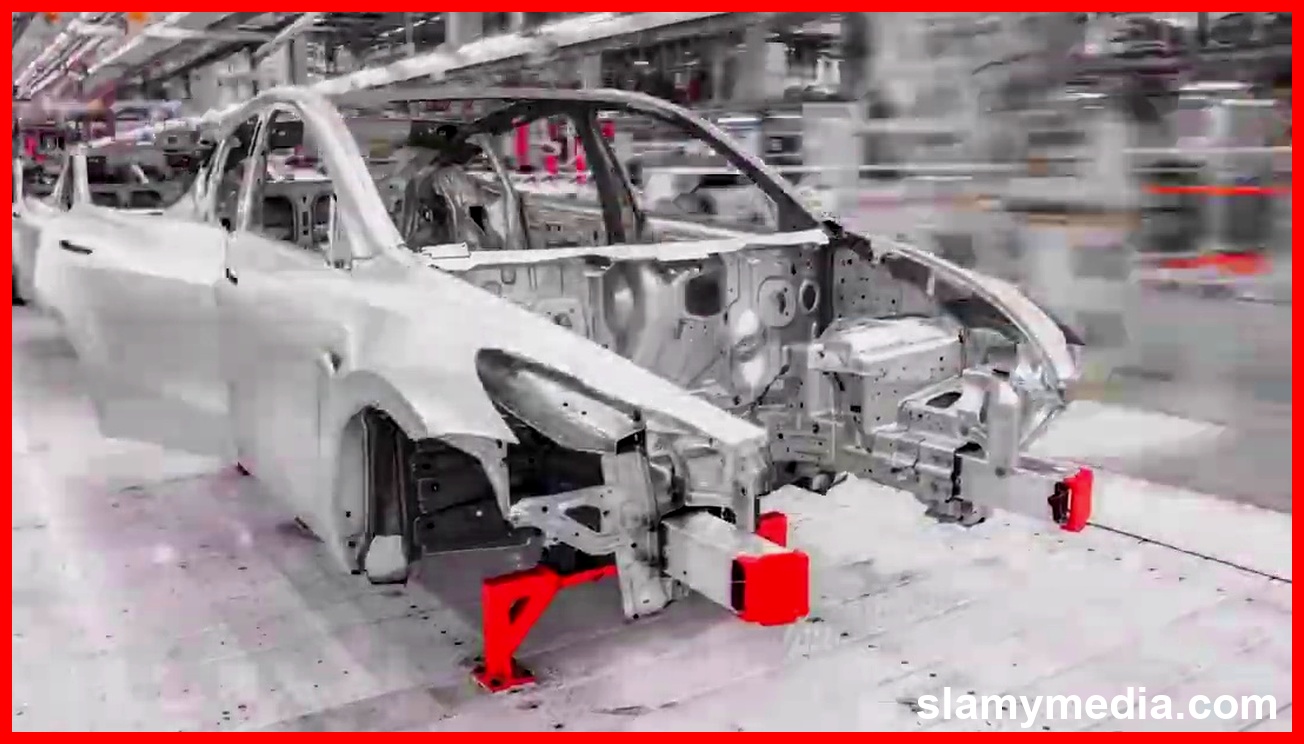
And most critically, resilience. If one station fails, modules don't stop. They reroute. The system dynamically bypasses bottlenecks, maintaining continuous flow. That's how Tesla targets over 90% OEE. While most traditional automotive plants operate in the 75-85% range due to stoppages and linear dependencies.
So the question becomes unavoidable. If your production line can move around problems instead of stopping for them, is it even aligned anymore?
Disclaimer: This article was compiled and adapted from historical reporting and enhanced for readability. Some quotes may be paraphrased for clarity.

Conversations (0)