

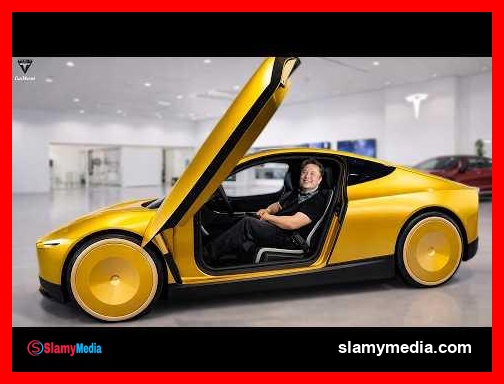
At the heart of the ongoing revolution in autonomous transportation, the CyberCab prototype has taken a significant step forward, offering a tangible glimpse into the future of self-driving technology. On the sprawling Texas campus, 12 units are currently undergoing rigorous testing, marking a pivotal moment in the development of a vehicle that promises to redefine urban mobility. This latest iteration, a pre-production model, has finally emerged from the shadows of speculation and leaks, revealing a design that is both functional and aesthetically refined. The presence of a steering wheel and fully operational pedals underscores a critical shift in the development process, indicating that the CyberCab is moving closer to achieving full autonomy.
Key Takeaways
- CyberCab has entered a new phase of testing with 12 units on the Texas campus, signaling a move toward mass production.
- The prototype features a steering wheel and pedals, suggesting a hybrid approach to autonomy that balances human oversight with AI control.
- Thermoplastic materials used for the body and doors hint at cost-effective manufacturing while acknowledging the trade-offs in aesthetics and durability.
Aesthetic and Functional Design
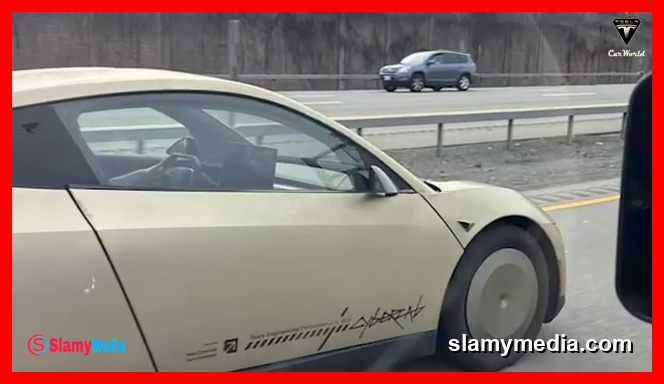
The CyberCab's design is a masterclass in balancing form and function. The large central display is not only visually striking but also optimized for user interaction, ensuring that drivers have unobstructed visibility. This is a notable departure from earlier autonomous shuttles, which often obscured interface elements behind protective covers. The absence of such obstructions suggests a more transparent and user-centric approach to vehicle design. However, the presence of the steering wheel and pedals raises questions about the vehicle's intended level of autonomy. While these components are temporarily mounted, their inclusion indicates that the CyberCab may be designed for a hybrid model, where human intervention remains a crucial element in the driving process.
Materials and Manufacturing Insights
The choice of thermoplastic materials for the doors and body panels is a telling indicator of the CyberCab's production strategy. Thermoplastic offers a cost-effective solution for manufacturing while allowing for some visible gaps, a nod to the early days of automotive design. These gaps, while aesthetically minor, are a practical compromise that balances cost and functionality. The doors also retain visible fingerprint marks, and some handles remain in question, raising the possibility that future iterations may adopt fully hidden handles or retain manual intervention features. These design choices reflect the ongoing evolution of the CyberCab, as engineers and designers strive to balance innovation with practicality.
Energy and Charging Considerations
The CyberCab's energy and charging capabilities are a critical aspect of its development. As autonomous vehicles become more prevalent, the logistics of charging these units will play a pivotal role in their viability. Some online jokes suggest that gig drivers, similar to those for DoorDash, might be tasked with charging the vehicles, a humorous yet insightful observation on the potential challenges of operational logistics. However, the reality is more nuanced. Wireless charging, while still an emerging technology, has seen significant improvements in efficiency. In some countries, wireless charging for buses is already in practical use, with near-minimal efficiency loss compared to traditional cable charging. Even Porsche's wireless system for the Cayenne achieves around 9,000% efficiency, a figure that is remarkably close to the 94% efficiency of cable charging.
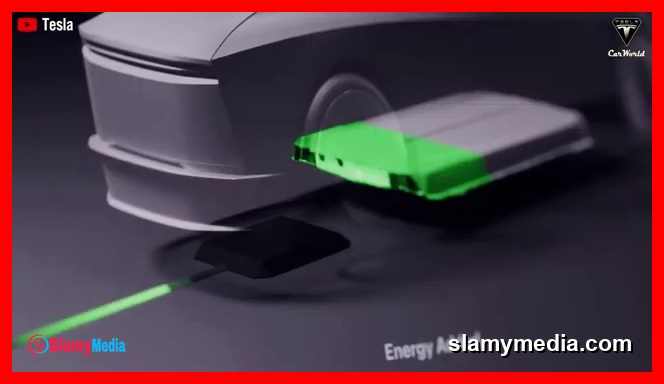
The efficiency gap between wireless and cable charging has been a subject of debate, but recent data suggests that these concerns may be overblown. Updates indicate that efficiency losses have been reduced to roughly 7 to 12%, thanks to advancements in sensor alignment and software optimization. This improvement underscores the growing viability of wireless charging as a practical solution for autonomous vehicles. As the CyberCab moves closer to full production, the integration of efficient charging solutions will be essential in ensuring its success in the competitive landscape of autonomous transportation.
Conclusion
The CyberCab's journey from a speculative concept to a tangible prototype marks a significant milestone in the evolution of autonomous vehicles. The design, materials, and energy considerations all point to a vehicle that is not only technologically advanced but also economically viable. As the testing phase continues, the CyberCab stands as a testament to the potential of self-driving technology to transform urban mobility. The challenges faced during its development are not insurmountable, and the solutions being explored suggest a future where autonomous vehicles are not only a possibility but an inevitability.



Conversations (0)