

Historic Blockage Sparks Global Reflection
In March 2021, fierce winds blew a container ship off course. In most places, this would have caused a minor incident. But in the Suez Canal, it was a global crisis. This vessel wasn't just blocking other ships. It was obstructing the flow of international trade through one of the world's most important waterways.
Key Takeaways
- The Suez Canal, a critical artery of global trade, was blocked by a container ship in 2021, causing a worldwide disruption.
- Historical efforts to construct the canal date back to the 16th century, with multiple powers attempting to build it despite challenges.
- The canal's completion in 1869 revolutionized global trade and had lasting ecological impacts.
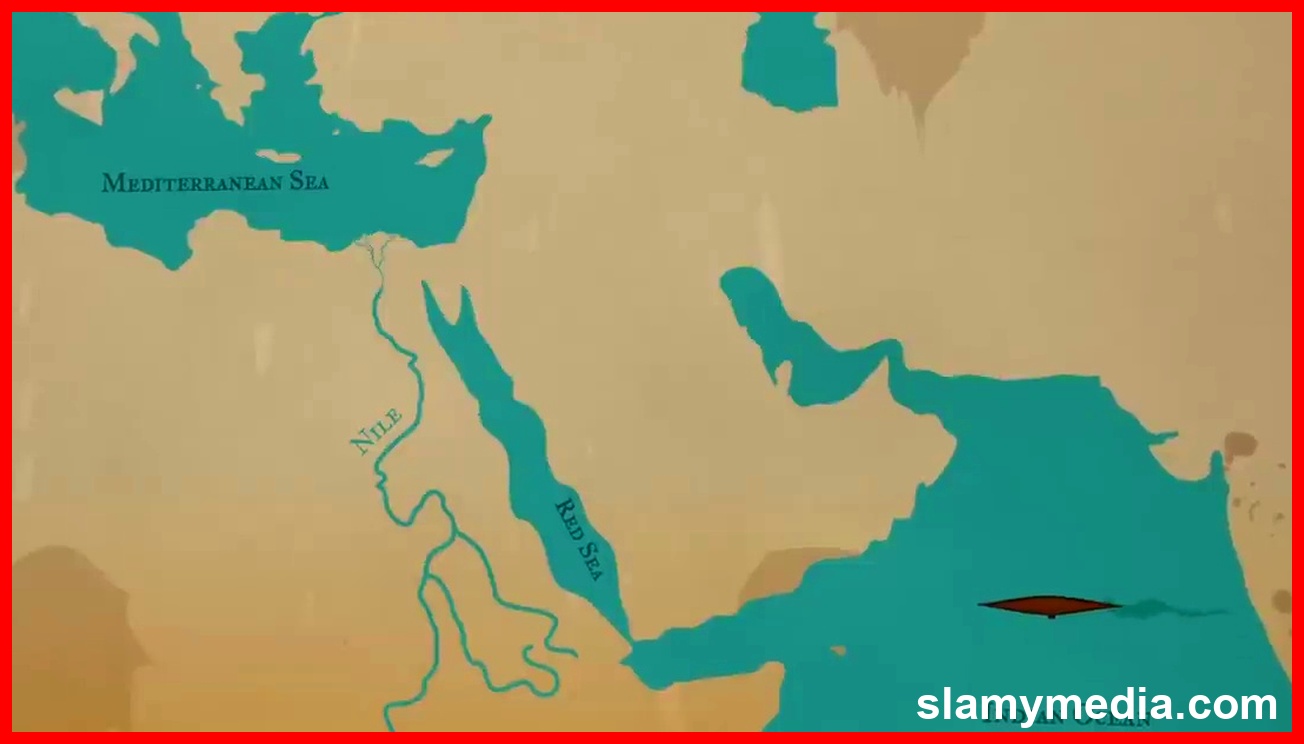
The site of the Suez Canal has been of interest to rulers of this region as far back as the second millennium BCE. To move goods between Asia and the Mediterranean Basin, traders had to traverse the narrow isthmus separating the Red Sea and the Nile, journeying in camel-bound caravans through the unforgiving desert. A maritime passage between the Indian Ocean and the Mediterranean
Sea would bypass this trip altogether and throughout the 16th century, multiple powers attempted to construct such a canal. But their plans were obstructed by cost, political strife, and the ever-shifting sands.
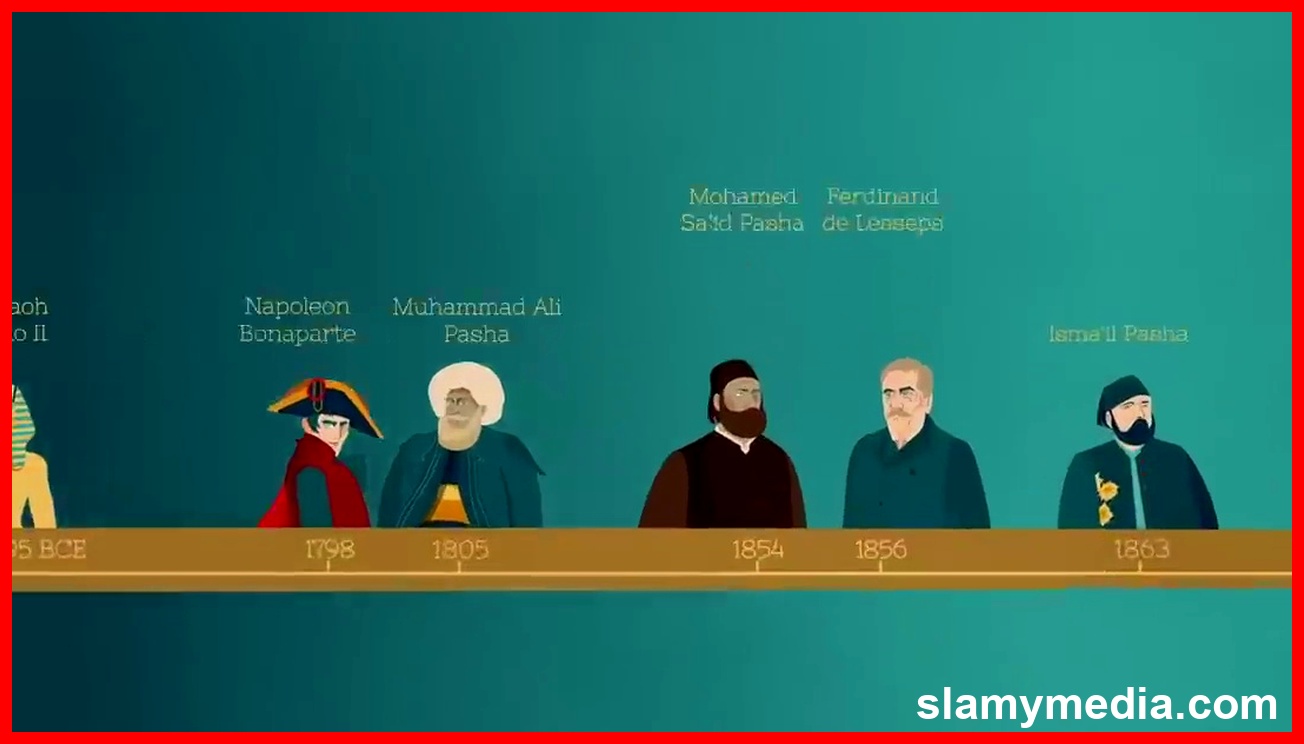
In 1798, interest in building a canal was rekindled, this time attracting attention from across Europe. Over the following decades, individuals from Austria, Italy, Britain, and France pitched their plans to Egypt's rulers. At the time, Egypt was a territory of the Ottoman Empire, which was resistant to these proposals. But Egypt's political and economic autonomy was gradually increasing and its government was eager to pursue the project. When Said Pasha came into power in 1854, he approved
a plan from the Enterprising and Manipulative, French diplomat, Ferdinand Delicettes. Signed in 1854 and 1856, a pair of concessions gave Delicettes authority to establish the Suez Canal Company and finance it by selling shares to capitalists of all nations. The contracts between Said Pasha and the Canal Company also promised a workforce of hundreds of thousands of Egyptian workers.
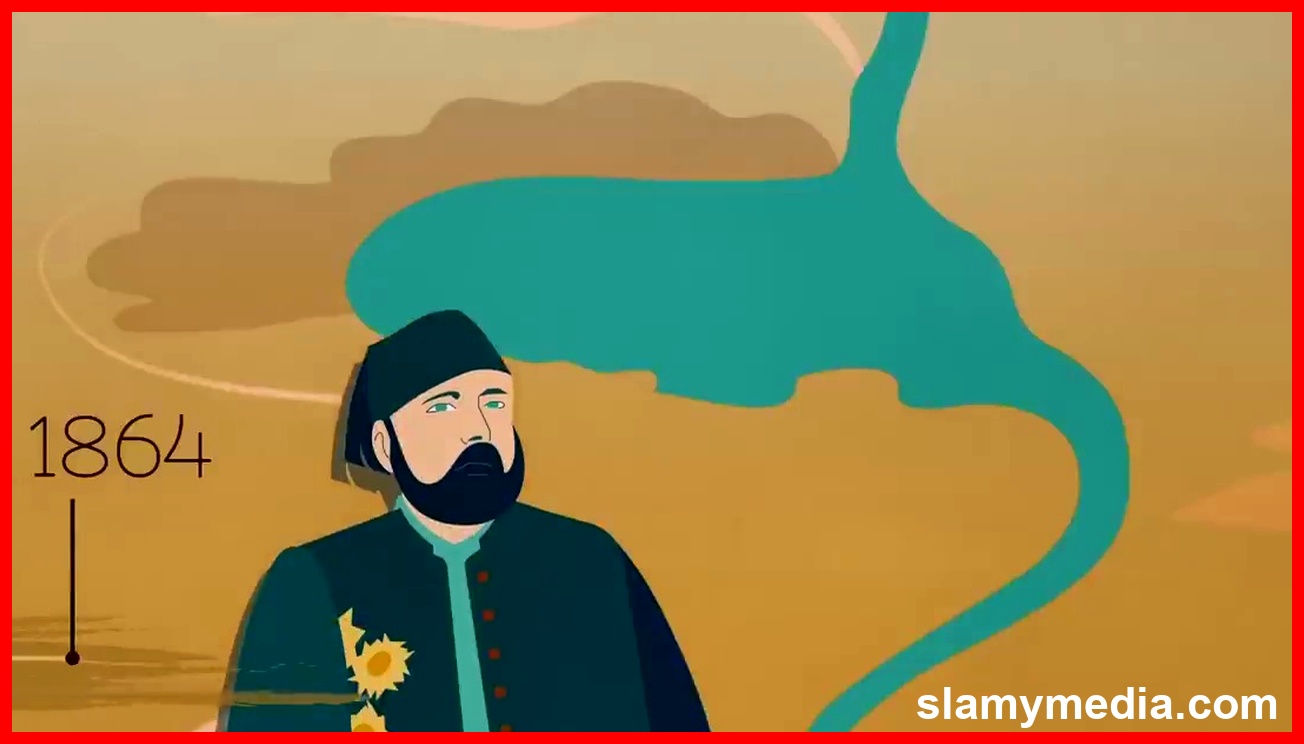
Beginning in 1862, about 20,000 laborers or forcibly recruited every month, digging the canal in harsh desert conditions without easy access to food or water. Diseases like cholera ran rampant and workers toiled under the threat of whips. The estimates of those who died during construction range into the thousands. In 1864, the new Egyptian ruler Ismail Pasha put an end to the coerced Egyptian labor,
but he's still pressed forward with construction. Foreign workers from all over Europe and the Middle East, labored alongside dredgers and bucket excavators to remove 74 million cubic meters of dirt. This massive population of workers required infrastructure to deliver drinking water and other supplies, giving rise to a flourishing economy of restaurants, brothels, and smuggled goods. Amidst the bustle, we're born three new cities with multi-ethnic populations.
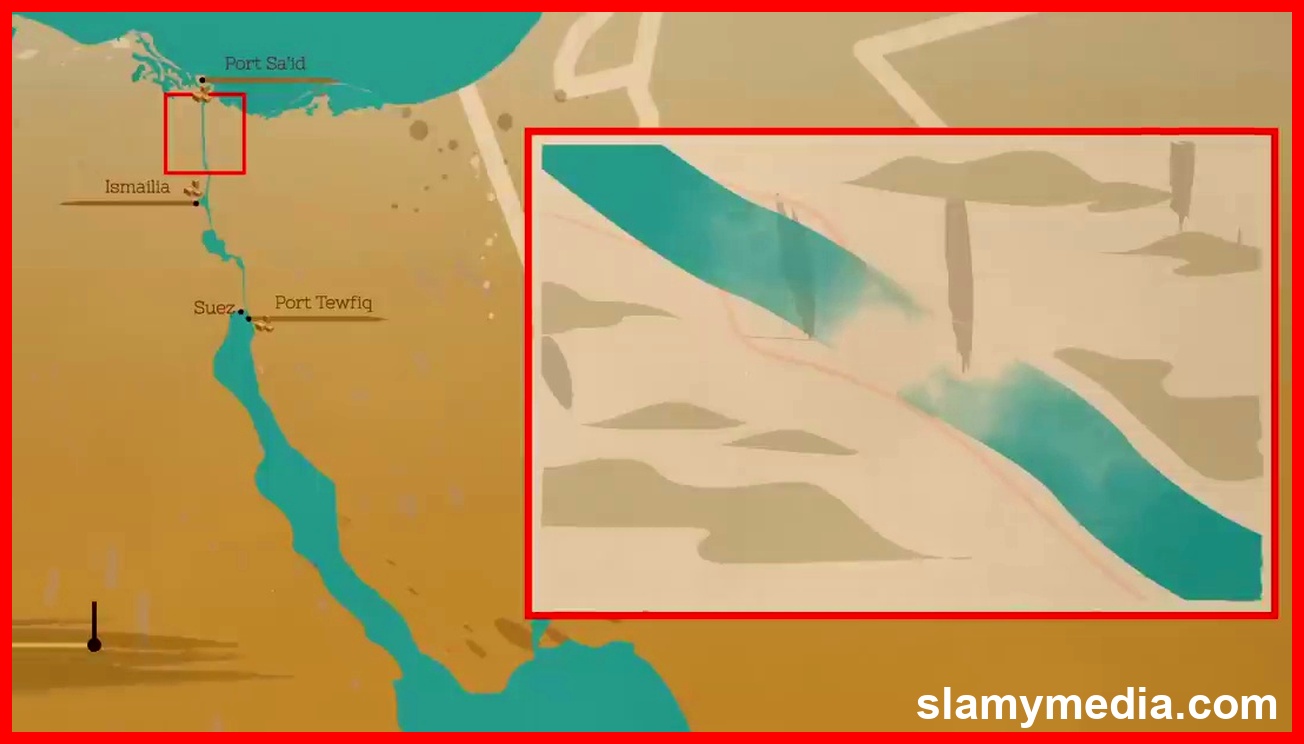
Port Said on the Northern Mediterranean shore is Maialea on the canal's middle tract and port to Feeck at the southern edge of the canal. The construction site bypassed the Nile and ran directly from Port Said to Suez. And after years of work, the streams
of the two seas finally began merging in the mid-1860s. The finished canal was 164 kilometers long with a width of 56 meters at the surface, and it was officially inaugurated on November 17, 1869. While it struggled financially during its first few years, the canal ended up dramatically accelerating global trade. It also facilitated the migration of numerous marine species, dramatically changing local ecosystems and cuisine.
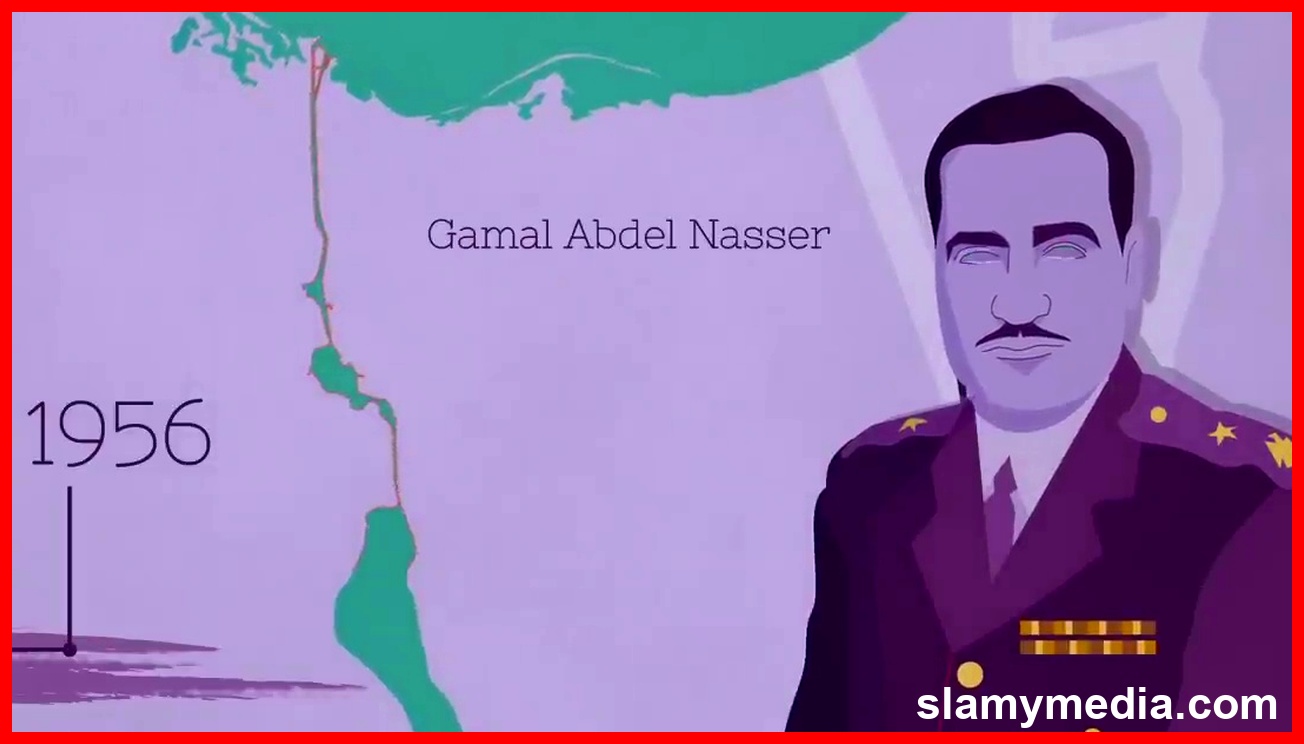
Over the decades, traffic threw the canal Britain, but in 1875, financial issues forced Egypt to sell much of its stock in the canal company, allowing Britain to take over. It was only in 1956 that control of the canal fully reverted to Egypt when it was nationalized by President Gamal Abdel Nasser. This move sparked a military standoff between Egypt
and Britain, France, and Israel. But once resolved, it transformed the canal into a major source of Egypt's national revenue and helped redeem the canal's imperialist legacy. Today, nearly 30% of all global ship traffic passes through the Suez Canal.
"The Suez Canal is not just a waterway; it is the lifeblood of global commerce, connecting continents and shaping the modern world." - Dr. Ahmed El-Sayed, Egypt's Maritime Historian
Disclaimer: This article was compiled and adapted from historical reporting and enhanced for readability. Some quotes may be paraphrased for clarity.



Conversations (0)