

Imagine standing on the edge of a vast desert, the sky darkening as a monstrous machine hums to life. You’re not alone in this moment—millions of eyes are fixed on the same screen, breath held, hearts racing. This is the kind of anticipation that turns ordinary days into historic ones. And today, we’re witnessing something that feels less like a test and more like a glimpse into the future of humanity’s journey beyond Earth. Welcome to the world of SpaceX’s Starship, where dreams of interplanetary travel are being forged in the heat of innovation.
The Moment That Changed Everything
For weeks, the aerospace world has been on high alert. Rumors of a breakthrough, whispers of a “full power test,” and the kind of patience usually reserved for waiting for a long-lost friend. Then, it happened. On the afternoon of the 14th, the skies over South Texas erupted in a symphony of flame and sound. It was the moment that had been building for months: the full-duration test of Starship S39, the latest iteration in SpaceX’s relentless pursuit of spaceflight perfection.
What made this test different? Well, it wasn’t just about power. It was about proving that this vehicle—this towering machine of stainless steel and liquid oxygen—was ready to do what no rocket before it has: carry humans to Mars. And if you blinked, you might have missed it. That’s the kind of intensity that turns a simple test into a milestone.
The Science Behind the Spectacle
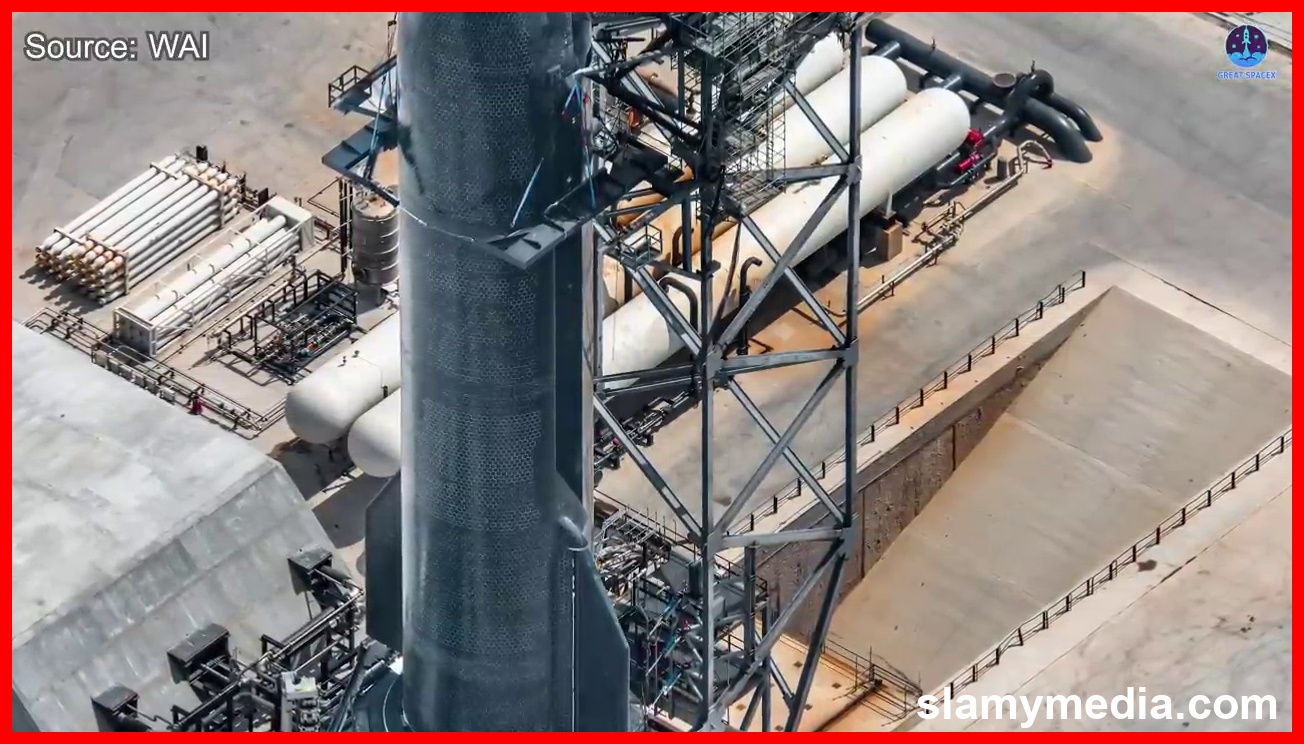
Let’s break it down. When the engines roared to life, it wasn’t just noise—it was a calculated dance of physics. The fueling process, which looked like a slow-motion freeze-frame of frost spreading across the tanks, was actually the rocket “breathing.” This venting phase is critical: it releases excess pressure, ensuring the system is primed for the explosive chemical reaction that follows. 
Just a light dusting of frost on the liquid methane tank was a sign that the system was working as intended.
Then came the flap testing. Those massive aerodynamic surfaces, like the fins of a mechanical whale, moved in perfect harmony. It was like watching a high-tech popsicle perform gymnastics against the Texas sky. For the casual viewer, it was mesmerizing. For the engineers, it was a confirmation that the design was holding up under scrutiny.
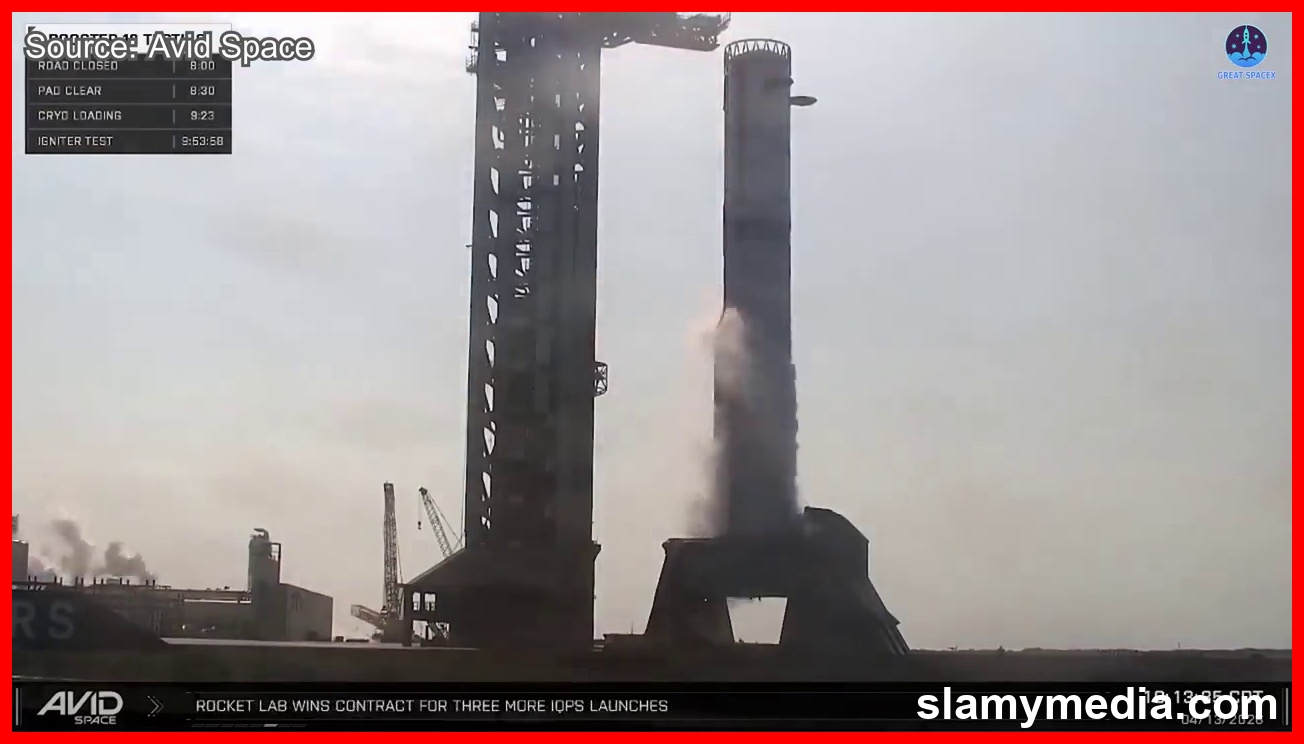
But the real showstopper? The engine activation. When the six engines ignited, the ground trembled, and the air shimmered with heat. The flame trench design, a masterstroke of engineering, directed the smoke and dust to one side, revealing a clear view of the action. Earlier tests had left the vehicle swallowed in chaos, but this time, everything was visible. 
The smoke cloud was a clear indicator: all six engines were firing simultaneously, generating roughly 1,700 tons of thrust. To put that in perspective, it’s the equivalent of 300 elephants trying to jump at the same time—only much, much louder.
The Beauty of Engineering
Close-up footage from SpaceX’s test stand was nothing short of breathtaking. Through the gaps in the structure, the six engines created a stunning visual effect: a mock diamond pattern of light and heat. For professionals, this was a testament to the supersonic exhaust interacting with the atmosphere, forming shock waves that shaped the flames into a glowing sequence of purple and blue. For everyone else? It was a reminder that engineering can be both beautiful and powerful.
But this wasn’t just about aesthetics. It was a full-duration test, a rigorous check of the Starship’s durability. The fact that the engines held up under such extreme conditions is a huge win for SpaceX. It’s a step closer to the dream of multi-planetary life, and a reminder that the future is being built today.
Why This Matters
Many learners I’ve worked with often struggle with understanding the “why” behind technical milestones. Why does a rocket’s engine design matter? Why does a frost pattern on a tank mean anything? The answer lies in the bigger picture: this isn’t just about getting a rocket off the ground. It’s about paving the way for humanity to explore, survive, and thrive beyond Earth.
Think about it. Every test, every adjustment, every moment of uncertainty is a piece of the puzzle. And when that puzzle finally clicks into place, it’s not just a victory for SpaceX—it’s a victory for all of us. Because if we’re going to call ourselves a spacefaring species, we need to be ready for the journey.
So, what’s next? Will this test be the final step before the first crewed mission to Mars? Or will there be more hurdles to overcome? One thing is certain: the story of Starship is far from over. And if you’re wondering where to watch the next chapter, you’re already in the right place.
What do you think the next milestone will be? Share your thoughts below—and stay tuned for more updates from the edge of the universe.




Conversations (0)