


Breaking News: Norway's Tallest Wooden Building Reimagines Skyscraper Construction
Towering 85 meters above the Norwegian countryside, Mewestornnet cuts a sleek shape in the rural skyline. Housing 18 stories of restaurants, apartments, and hotel rooms, this modern building might seem out of place, but a deeper look reveals it actually blends in quite well among the forested farmlands. This is likely because Mewestornnet is the world's tallest wooden building, made almost entirely from the trees of neighboring forests.
Key Takeaways
- Mewestornnet, at 85 meters, is the world's tallest wooden building, blending into the forested landscape of Norway.
- Engineered wood materials like CLT and glue-lame now allow for taller wooden structures, overcoming past limitations in strength and durability.
- The building's construction uses sustainable methods, reducing carbon emissions and construction waste.
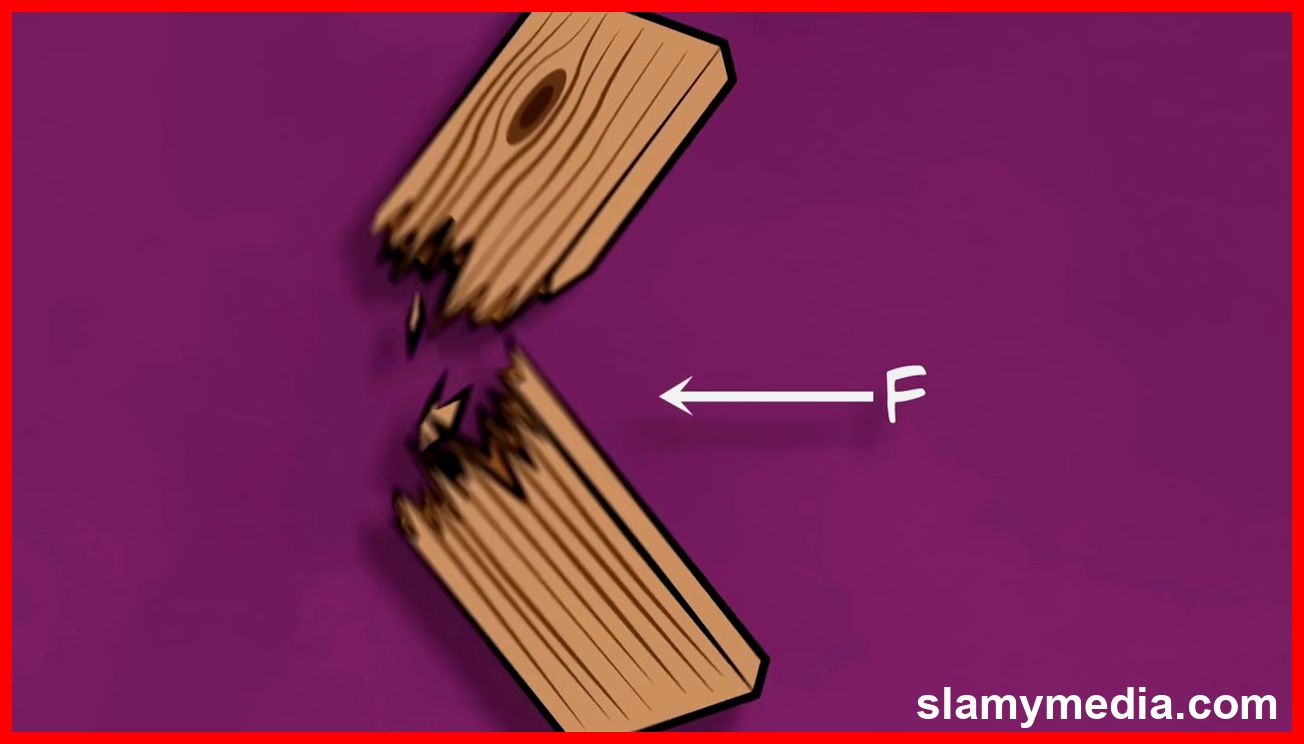
As a result, wood lacked steel's tensile strength, or concrete's compressive strength. Each necessary to support tall buildings and battle the powerful winds found at high altitudes.
But the early 1890s saw the invention of glue-laminated timber or glue-lame, and a century later, engineers developed cross-laminated timber or CLT. These new wooden materials start out like all other lumber. A freshly cut log is sawed into smooth uniform boards of wood. Then in the case of CL, the boards are glued together in alternating orientations, with each layer set at 90 degrees to its neighbors. The resulting material benefits from wood's structural rigidity in every direction, allowing 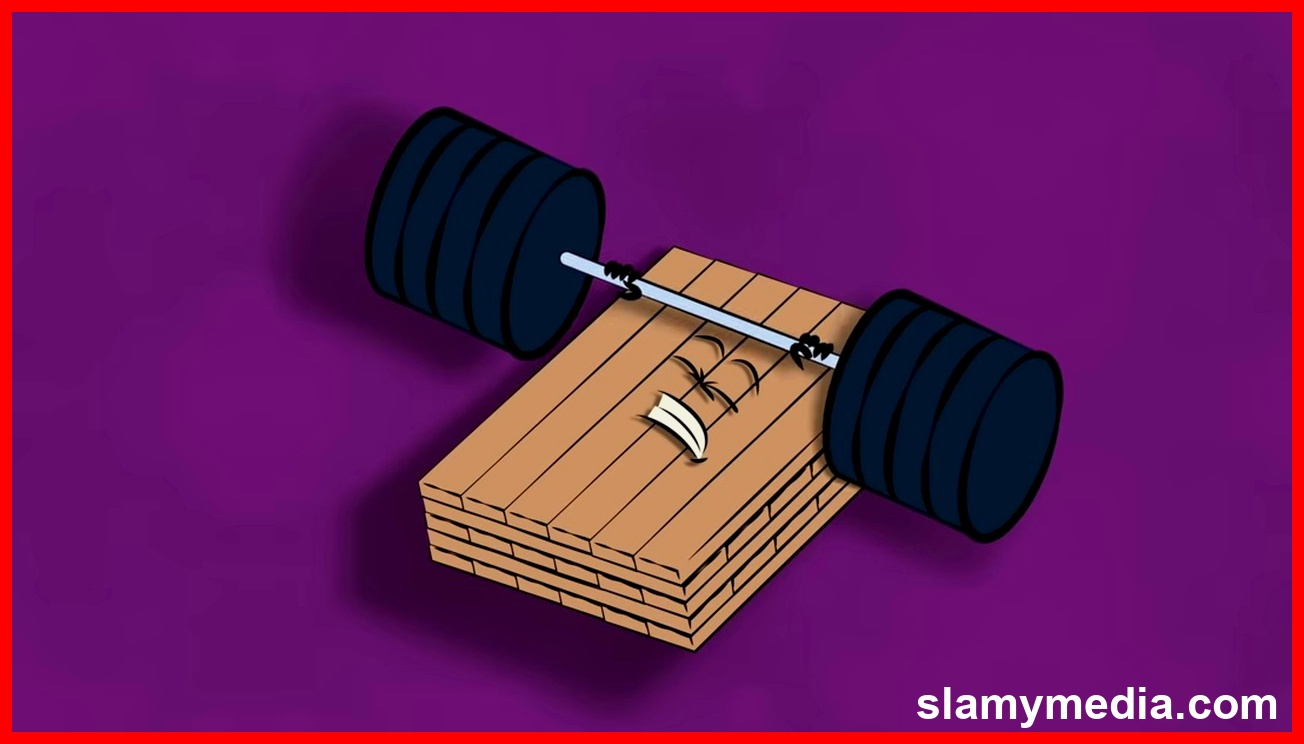
it to mimic the compressive strength of concrete and bare loads up to 20 times heavier than traditional lumber. Glue-lame, on the other hand, glues boards together in the same direction, forming massive beams with tensile strength, comparable to steel. Glue-lame isn't as versatile as CLT, but its incredible strength along one direction makes its superior for load-bearing beams and columns.
"These engineered forms of wood could finally compete with traditional materials, while also bringing their own unique set of advantages. At one fifth the weight of concrete, building with CLT requires smaller cranes, smaller foundations, and fewer construction workers. While concrete has to undergo a time-intensive process of casting and curing in a mold, timber can be shaped quickly, using computer-directed cutting machines."
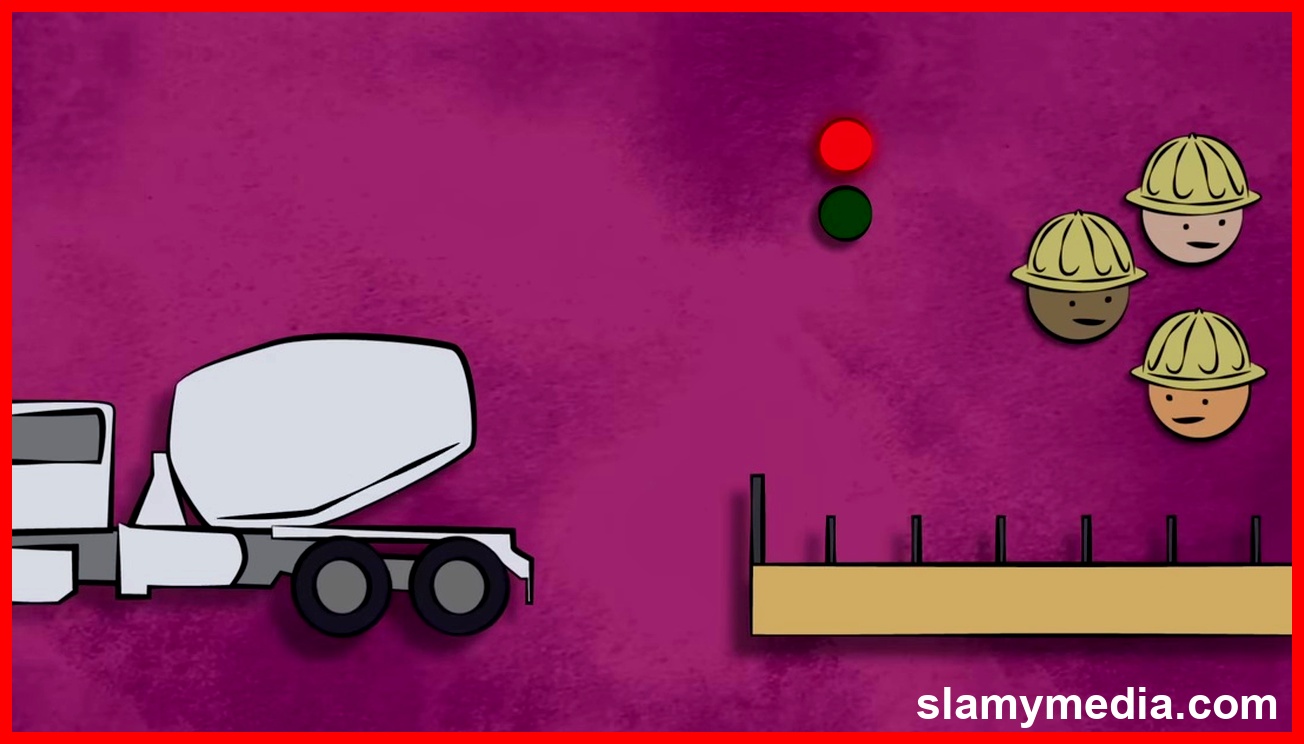
And where concrete requires certain weather and timing conditions to be poured on site, engineered wood can be prefabricated in a factory, creating standardized parts, with clear instructions for assembly. Taken together, these materials allow for faster and quieter construction, with more biodegradable materials and less waste. These constructed CLT and glue-am buildings are also more resilient to some natural disasters. An earthquake can crack concrete, permanently weakening an entire structure, but cracked wood panels can be easily replaced. The same is true for fire safety. As temperatures rise in a CLT building, the materials outer layer will char, insulating the inner layers for up to three hours. 
This is more than enough time to evacuate most buildings, and once the smoke is settled, charred panels can be swapped out, unlike melted steel beams.
But perhaps the biggest benefits of CLT and glue-am are outside the construction site. Building construction is responsible for 11% of annual global carbon emissions, and the production of steel, concrete, iron, and glass are major contributors to that figure. Timber, however, is a renewable resource that can be made carbon neutral if trees are planted to replace those cut down. Wood also has low thermal conductivity, making it easier to heat and cool buildings, with less energy waste.
Despite these advantages, CLT requires vastly more lumber than traditional wooden construction, and when compared in similar quantities, neither CLT or glue-am is as strong as steel or 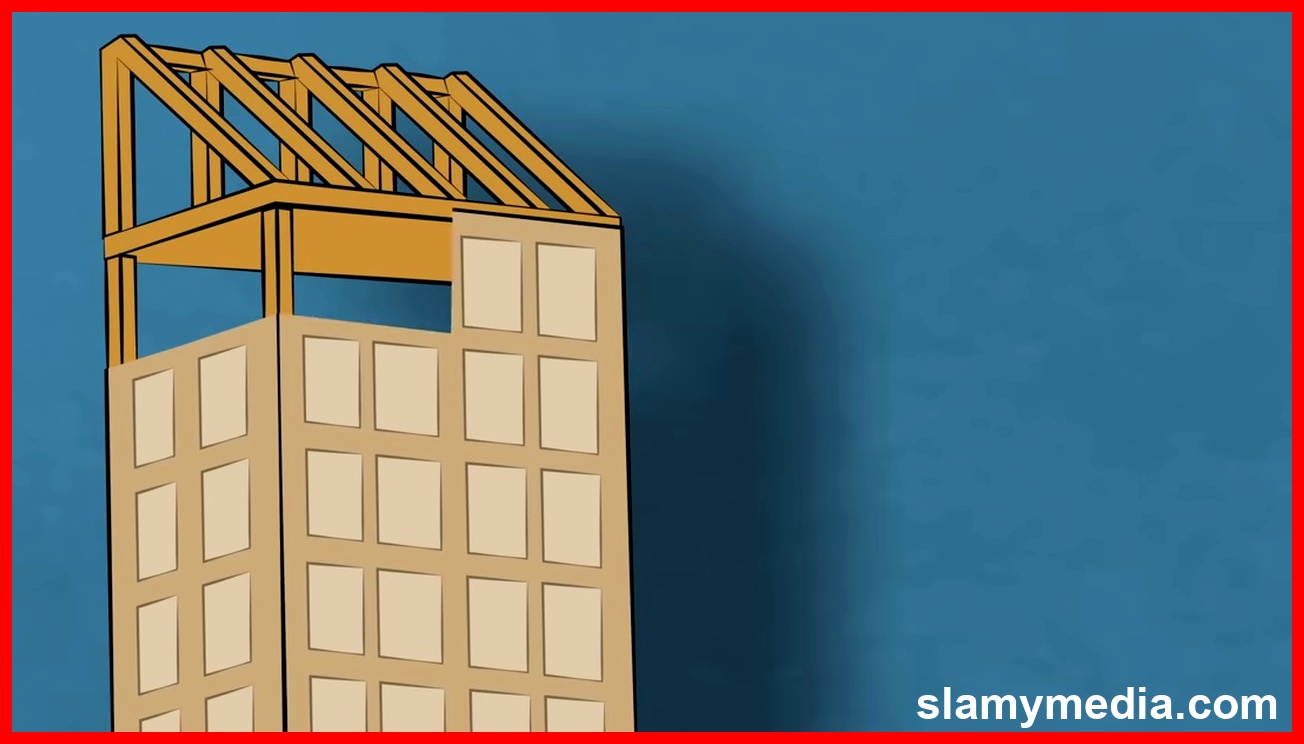
concrete. Even Mu Stornet isn't made entirely of wood, as it contains concrete slabs to reinforce the upper floors. Taken together, it's unlikely that a purely woode
Disclaimer: This article was compiled and adapted from historical reporting and enhanced for readability. Some quotes may be paraphrased for clarity.



Conversations (0)