


Could Wright's Mile-High Skyscraper Become a Reality?
Frank Lloyd Wright's 1956 vision of a mile-high skyscraper, once dismissed as impractical, may finally be within reach thanks to modern engineering breakthroughs. Despite widespread skepticism from critics and engineers at the time, today's advancements in materials science, structural design, and wind resistance technology are making these megastructures a real possibility.
Key Takeaways
- Wright's 1956 mile-high skyscraper concept faces similar engineering challenges as today's ultra-tall buildings.
- Modern concrete blends and foundation systems can support structures up to 1,000 meters tall.
- Wind resistance technologies like tuned mass dampers are critical for stability in supertall buildings.
"The first principle has long dictated the shape of our buildings, leading ancient architects to favor pyramids with wide foundations that support lighter upper levels."
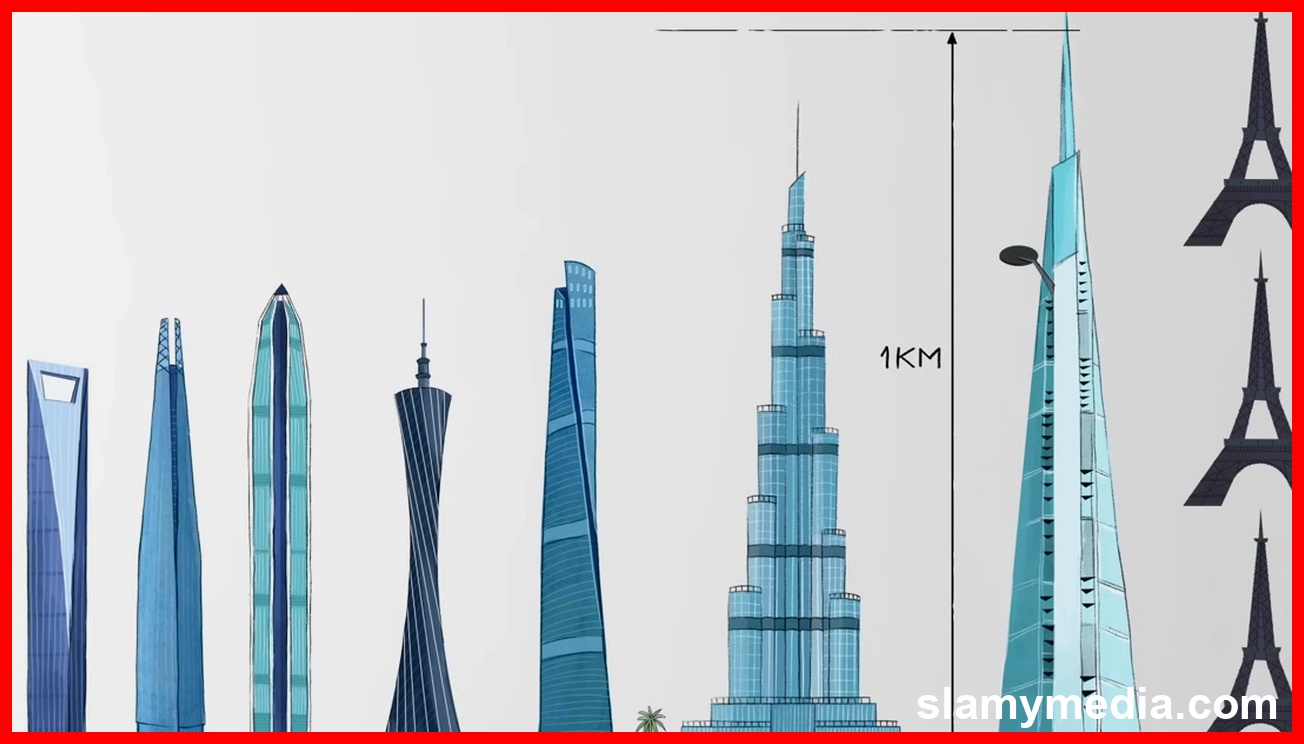
Wright's vision of a mile-high tower, once considered impossible, is now being re-evaluated with modern engineering capabilities. While the original proposal faced criticism for its impracticality, today's advancements in materials science and structural engineering are making these megastructures a real possibility. The key challenge lies in overcoming the immense gravitational pressure from the upper stories on the lower ones.
Modern concrete blends, reinforced with steel fibers and water-reducing polymers, offer unprecedented strength. The concrete in Dubai's Burj Khalifa can withstand about 8,000 tons of pressure per square meter, equivalent to the weight of over 1,200 African elephants. 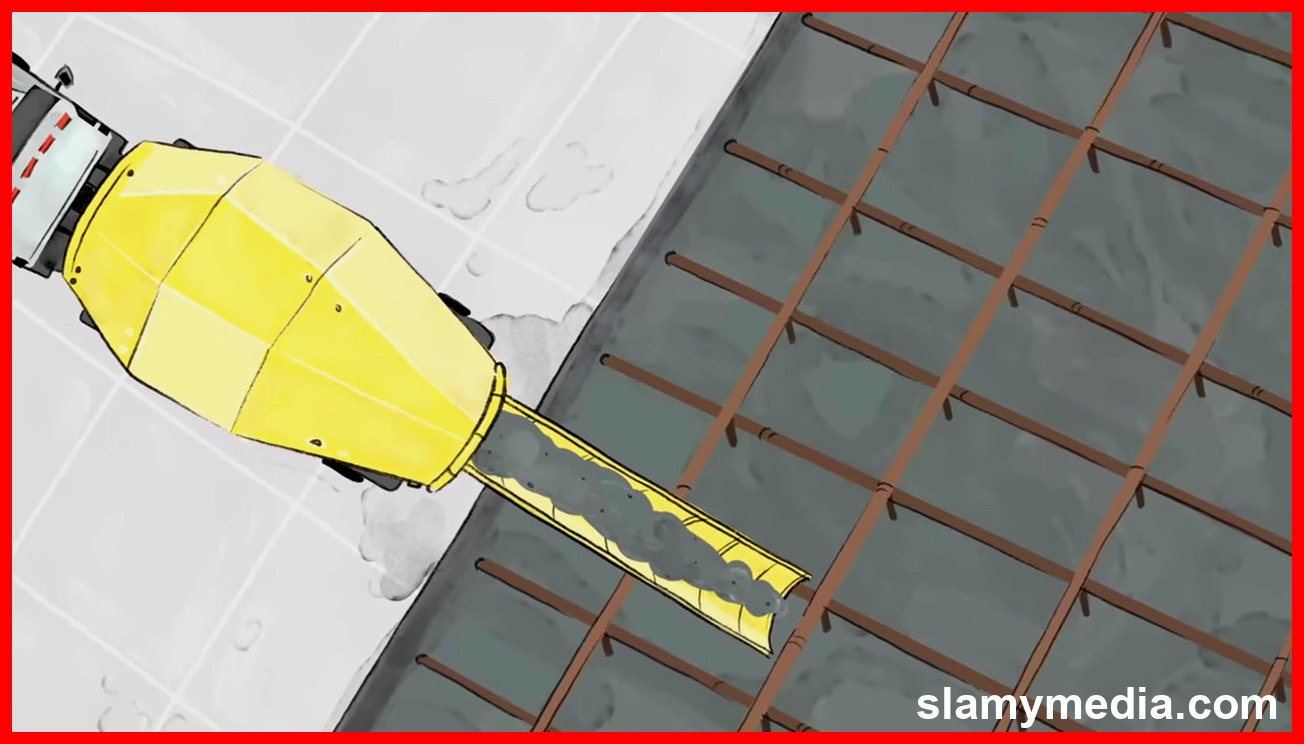
These advanced materials allow for more efficient structural designs that avoid the impractical pyramid shapes of ancient architecture.
To support these massive structures, engineers use deep foundation systems. For example, the Burj Khalifa's foundation includes 192 concrete and steel supports buried over 50 meters deep. The friction between these piles and the ground keeps the structure stable. 
This foundation system is critical for preventing the building from sinking or leaning under its own weight.
Skyscrapers also need to overcome the forces of wind, which can exert up to 17 pounds of force per square meter on high-rise buildings. Aerodynamic designs like China's Shanghai Tower can reduce this force by up to a quarter. 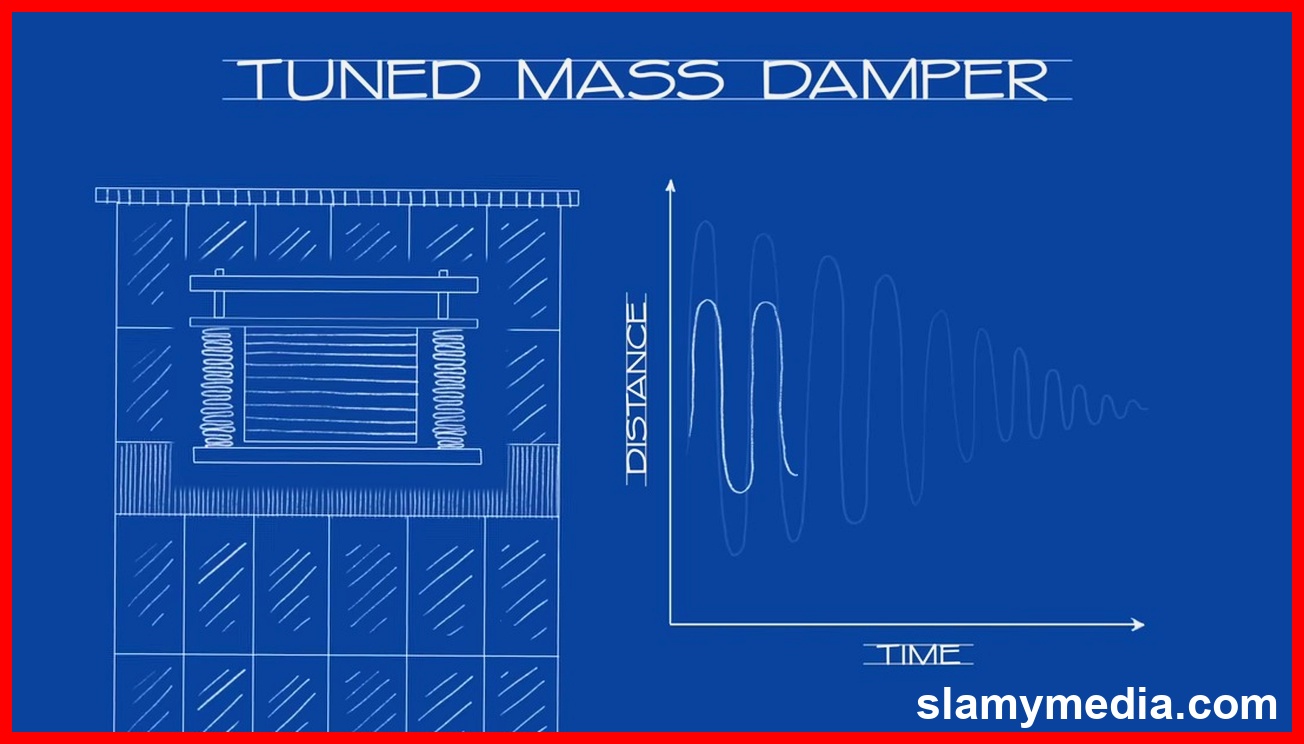
Additionally, wind bearing frames and tuned mass dampers, like the one in Taipei 101, help absorb and counteract wind forces, preventing excessive swaying.
Finally, modern elevator technology has made traveling through these massive buildings feasible. While Wright's era elevators moved at just 22 kilometers per hour, today's elevators travel over 70 kilometers per hour, with future systems potentially using magnetic rail technology for even faster speeds. 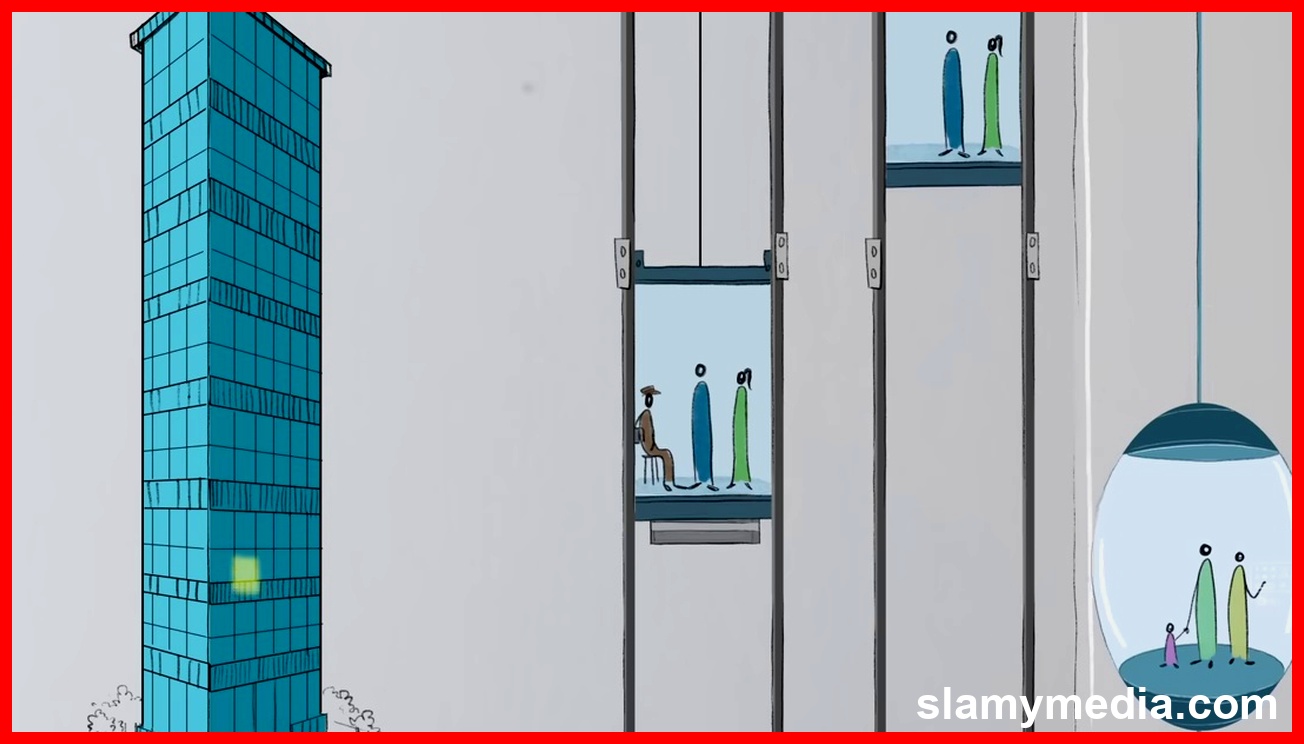
These advancements, combined with intelligent traffic management systems, are making the construction of mile-high skyscrapers more practical than ever before.
With these engineering breakthroughs, Wright's once-impossible vision is becoming a reality. The future of urban architecture may soon include structures that once seemed impossible to build.
Disclaimer: This article was compiled and adapted from historical reporting and enhanced for readability. Some quotes may be paraphrased for clarity.



Conversations (0)