

Mathematics Explained: From Arithmetic to Cosmic Equations
Key Takeaways
- Mathematics spans from basic arithmetic to advanced fields like mathematical physics.
- Each branch, from geometry to number theory, plays a critical role in understanding the world.
- Mathematics connects seemingly disparate concepts, from counting to explaining cosmic phenomena.
Every branch of math starts with arithmetic, the foundation of numerical operations. Arithmetic involves adding, subtracting, multiplying, and dividing—skills used daily in everyday tasks like splitting pizza or managing finances. 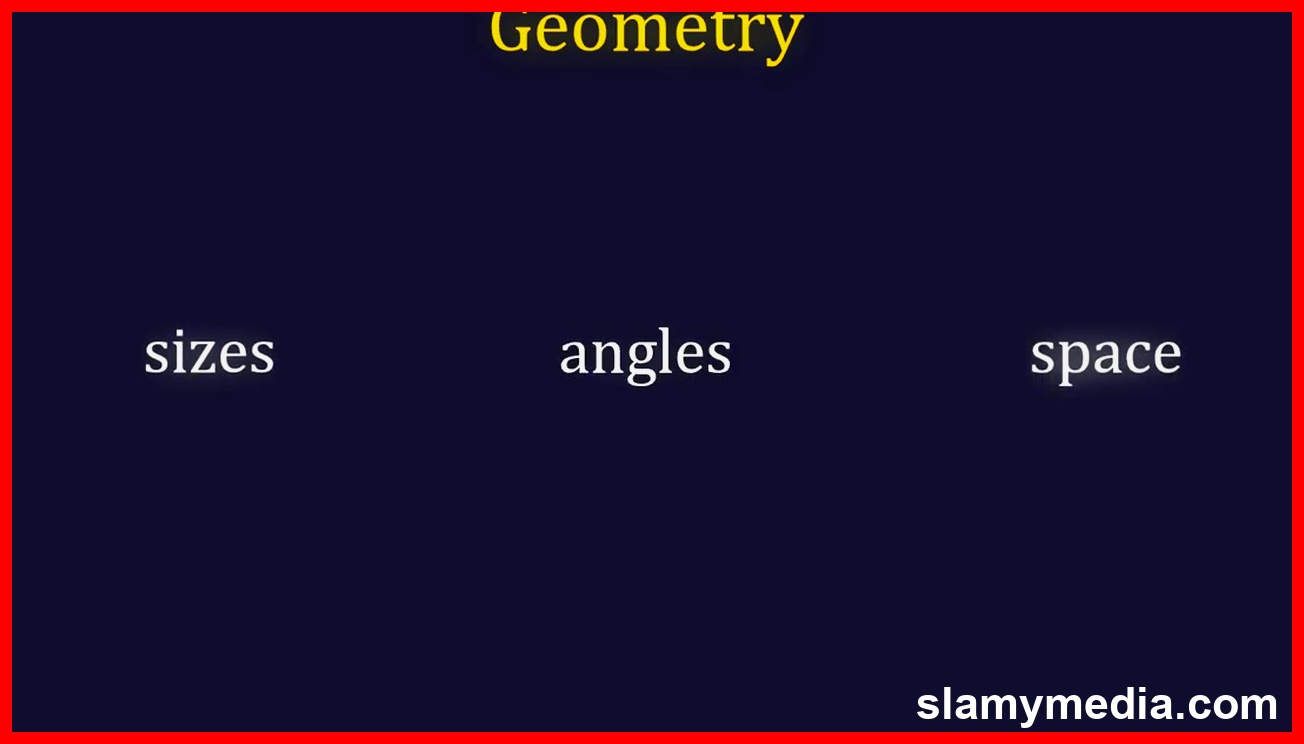
Geometry explores shapes and their properties, from two-dimensional figures to three-dimensional objects. It focuses on angles, sizes, and spatial relationships, forming the basis for more complex mathematical studies.
"Mathematics is the language of the universe, connecting everything from basic counting to the mysteries of space." — Unknown
Topology redefines geometry by focusing on connections rather than shape. In topology, a donut and a coffee mug are considered the same because they both have one hole. Trigonometry studies triangles and their relationships, using functions like sine, cosine, and tangent to solve problems in fields like astronomy and engineering. 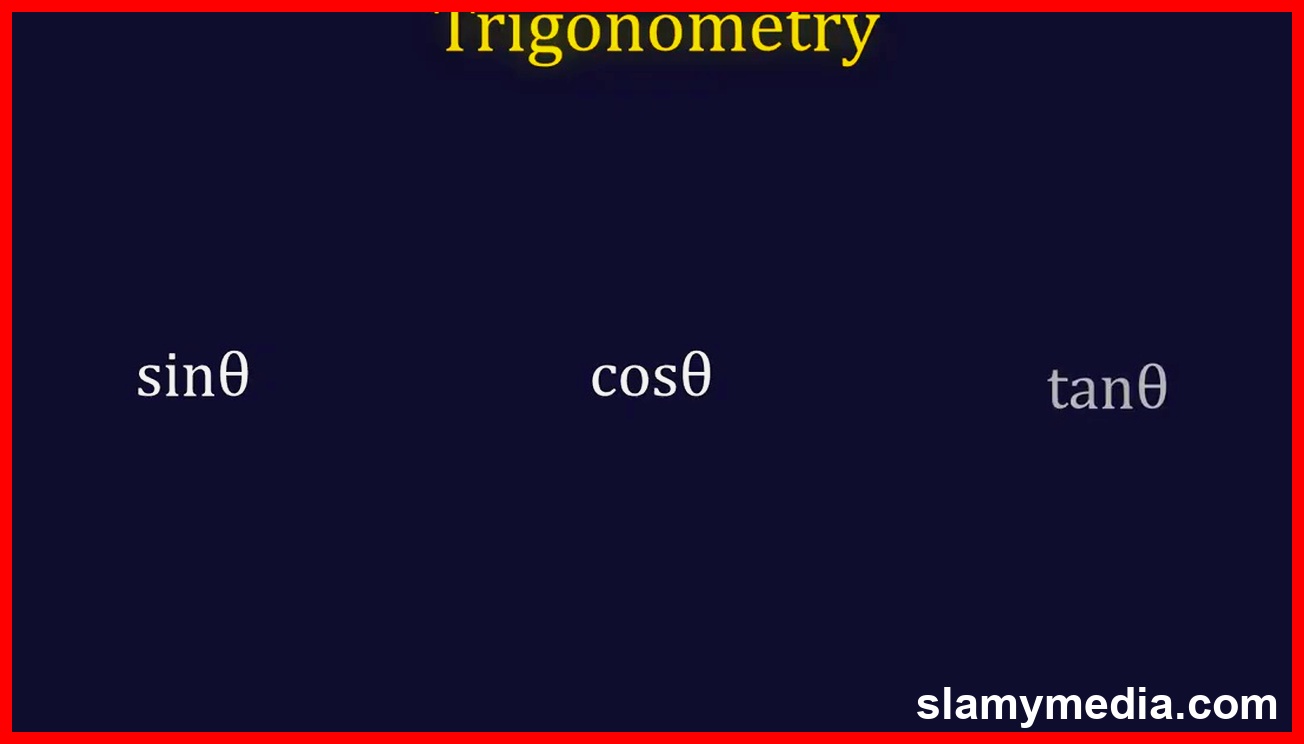
These trigonometric functions, often remembered by the acronym SOHCAHTOA, are essential for calculating angles and sides in right triangles.
Calculus examines change and motion, helping to understand how things grow, move, or fall. 
It provides tools to analyze dynamic processes, from the motion of planets to the behavior of complex systems. Statistics deals with data collection, analysis, and interpretation, enabling us to make sense of large datasets and probabilities. 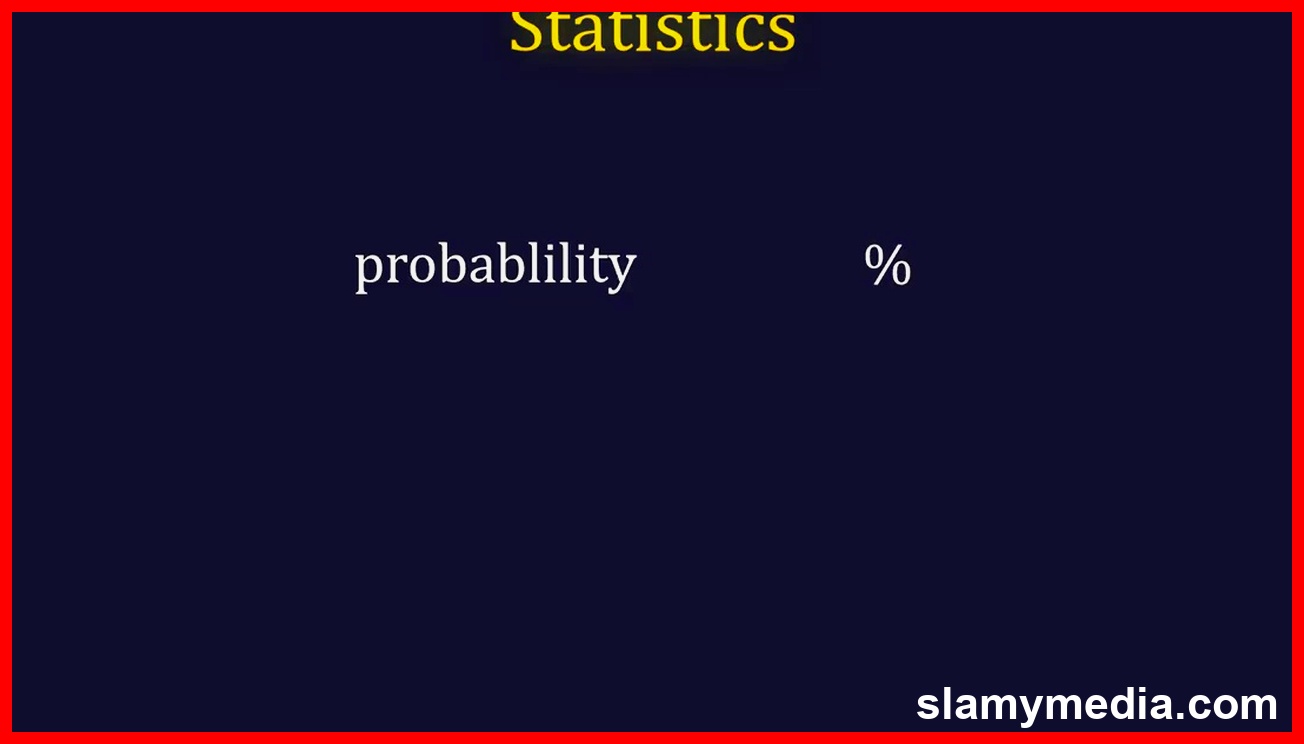
It highlights how data can be misleading, such as when a product's effectiveness is claimed without context about sample size.
Number theory explores the properties of numbers themselves, including prime numbers, which are crucial for modern encryption. 
This branch of math underpins the security of online transactions and communications. Mathematical physics combines math and physics to explain the universe, using equations to predict everything from planetary orbits to the behavior of light. These interconnected branches of mathematics reveal how simple counting can lead to profound insights into the cosmos.
Disclaimer: This article was compiled and adapted from historical reporting and enhanced for readability. Some quotes may be paraphrased for clarity.



Conversations (0)