

London's First Subway: A Revolution in Urban Mobility
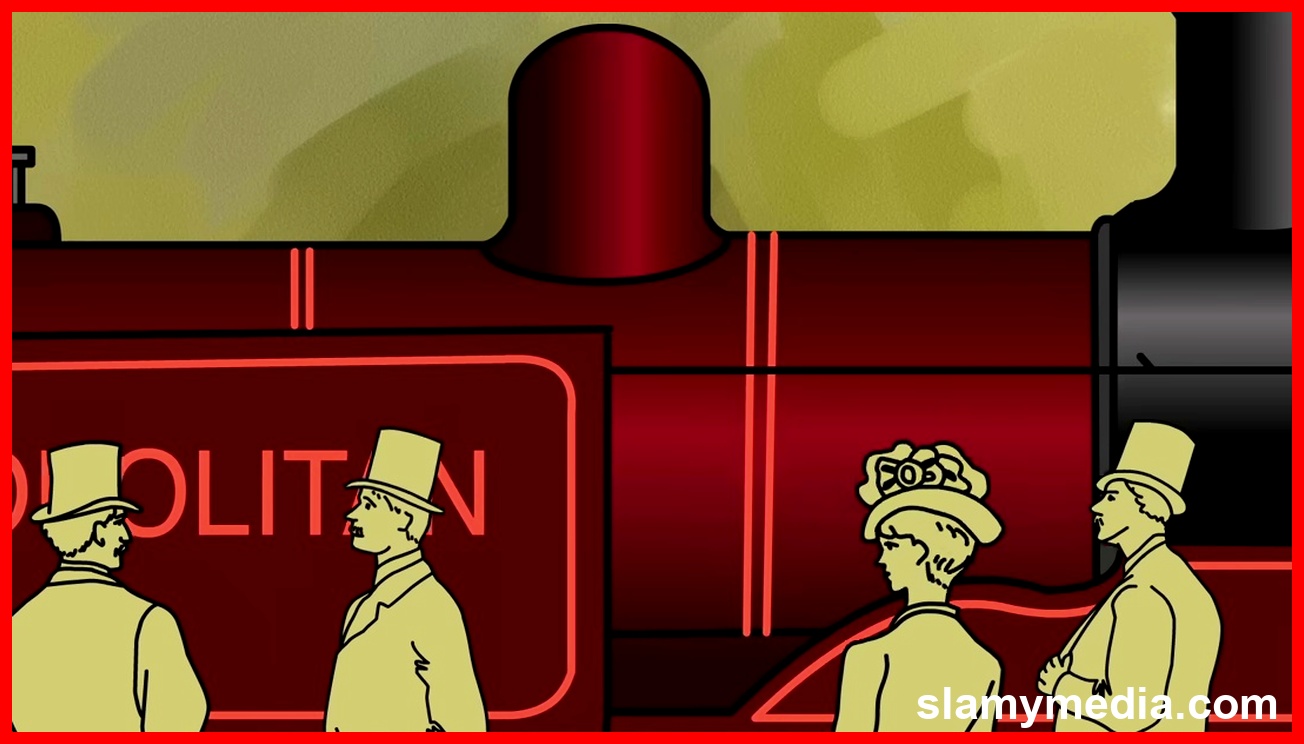
It was the dawn of 1863 and London's not yet opened subway system. The first of its kind in the world had the city in an uproar. Digging a hole under the city and putting a railroad in it seemed the stuff of dreams. Pub drinkers scoffed at the idea and a local minister accused the railway company of trying to break into hell. Most people simply thought the project, which cost more than $100 million in today's money, would never work. But it did. On January 10, 1863, 30,000 people ventured underground to travel on the world's first subway on a four-mile stretch of line in London.
Key Takeaways
- The world's first subway opened in London in 1863, with 30,000 people taking the ride.
- London faced severe congestion, with carts, costar mongers, cows and commuters jamming the roads.
- The project, costing over $100 million, was initially met with skepticism and even accusations of trying to break into hell.
After three years of construction and a few setbacks, the metropolitan railway was ready for business. The city's officials were much relieved. They'd been desperate to find a way to reduce the terrible congestion on the roads. London, at the time the world's largest and most prosperous city, was in a permanent state of gridlock, with carts, costar mongers, cows and commuters jamming the roads. It had been a Victorian visionary, Charles Pearson, who first thought of putting railways under the ground. He'd lobbied for underground trains throughout the 1840s, but opponents thought the idea was impractical. Since the railroads, at the time, only had short tunnels under hills. How could you get a railway through the center of a city?
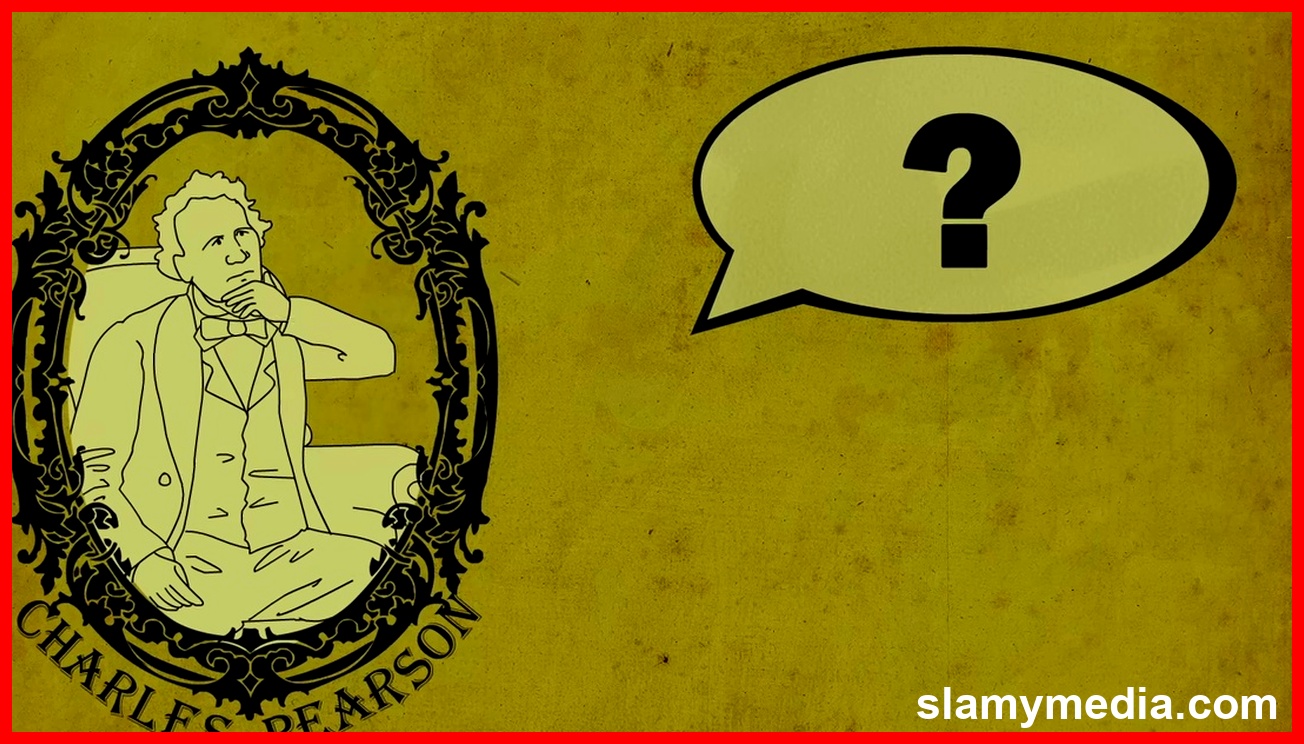
"The idea of an underground railway was considered a mad dream, but it proved to be a visionary solution to a growing urban crisis." - Charles Pearson
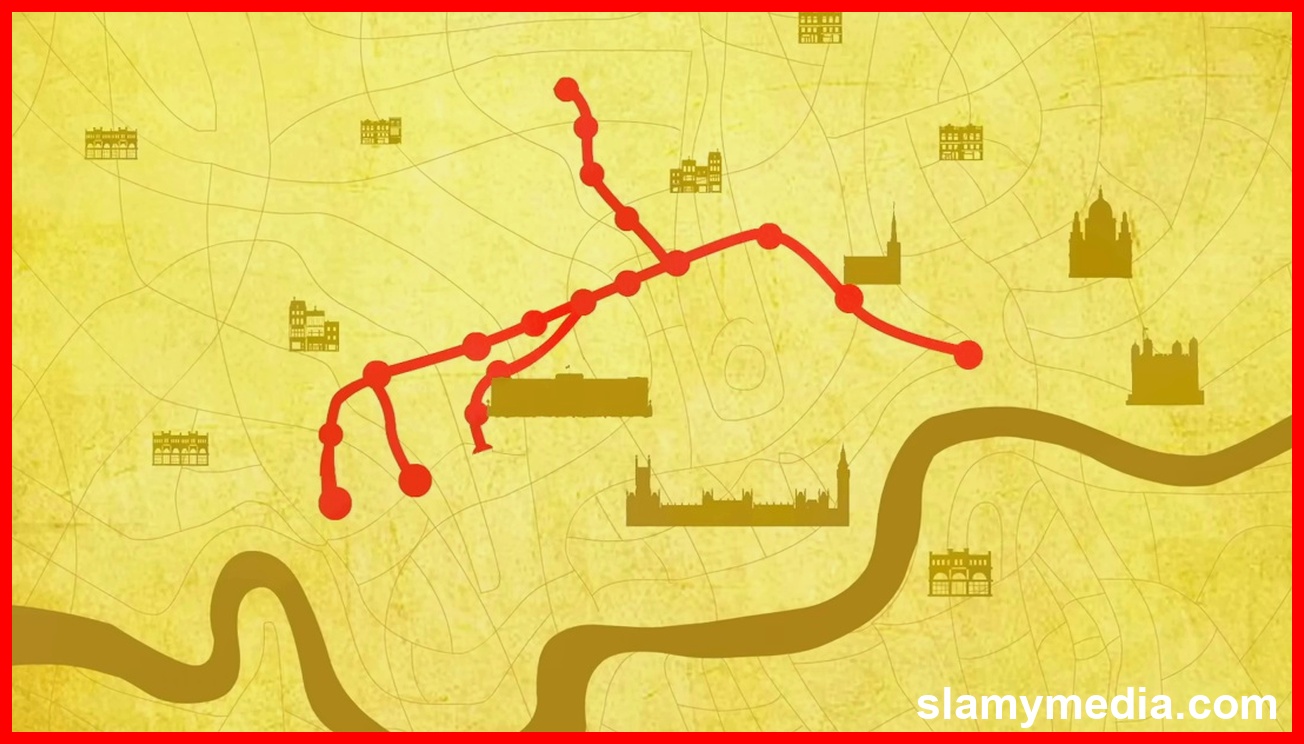
The answer was a simple system called cut and cover. Workers had to dig a huge trench, construct a tunnel out of brick archways, and then refill the hole over the newly built tunnel. Because this was disruptive and required the demolition of buildings above the tunnels, most of the line went under existing roads. Of course there were accidents. On one occasion a heavy rainstorm flooded the nearby sewers and burst through the excavation, delaying the project by several months. But as soon as the metropolitan railway opened, Londoners rushed in to ride the new trains. The metropolitan quickly became a vital part of London's transport system. The rail lines were soon built and new suburbs grew around the stations.
Key Takeaways
- The cut and cover method was used to build the initial subway tunnels, though it caused disruption and required demolitions.
- Accidents like flooded sewers delayed the project, but the subway was a success once opened.
- The railway spurred suburban growth and new commercial developments around stations.
Big department stores opened next to the railroad, and the railway company even created attractions, like a 30-story ferris wheel in Earl's Court to bring in tourists by train. Within 30 years London's subway system covered 80 kilometers, with lines in the center of town running in tunnels and suburban trains operating on the surface, often on embankments. But London was still growing, and everyone wanted to be connected to the system. By the late 1880s, the city had become two dense with buildings, sewers, and electric cables for the cut and cover technique, so a new system had to be devised. Using a machine called the Great Head Shield, a team of just 12 workers could bore through the earth, carving deep underground tunnels through the London clay.

Key Takeaways
- The Great Head Shield enabled the construction of deeper, less disruptive tunnels under London's dense urban environment.
- New tube lines, about 25 meters deeper than cut and cover lines, allowed for tunneling under buildings and existing infrastructure.
- The first tube line, the city and south London, opened in 1890 and sparked rapid expansion of the subway network.
These new lines, called tubes, were at varying depths, but usually about 25 meters deeper than the cut and cover lines. This meant their construction didn't disturb the surface, and it was possible to dig under buildings. The first tube line, the city and south London, opened in 1890 and proved so successful that half a dozen more lines were built in the next 20 years. This clever new technology was even used to burrow several lines under London's river, the Thames. By the early 20th century, Budapest, Berlin, Paris, and New York had all built subways of their own. And today, with more than 160 cities in 55 countries using underground rails to combat 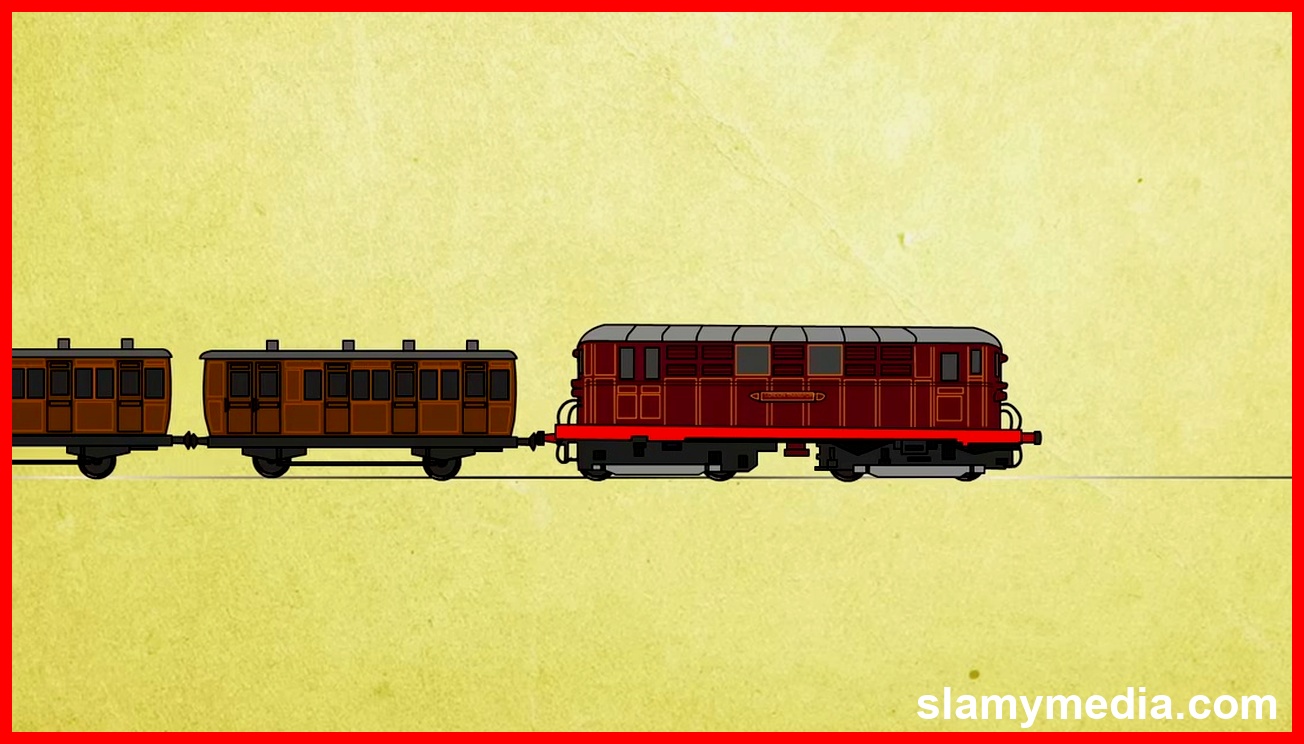
congestion, we can thank Charles Pearson and the Metropolitan Railway for getting us started on the right track.
Disclaimer: This article was compiled and adapted from historical reporting and enhanced for readability. Some quotes may be paraphrased for clarity.


Conversations (0)