

When you think of a data center, what comes to mind? Probably these massive, windowless buildings, right? Well, forget all that for a moment. What if you could condense all that computing power into a single box—one you could place on a truck and deploy almost anywhere? That’s the bold concept we’ll explore in this article.
Revolutionizing Data Infrastructure: The Rise of Mobile Data Centers
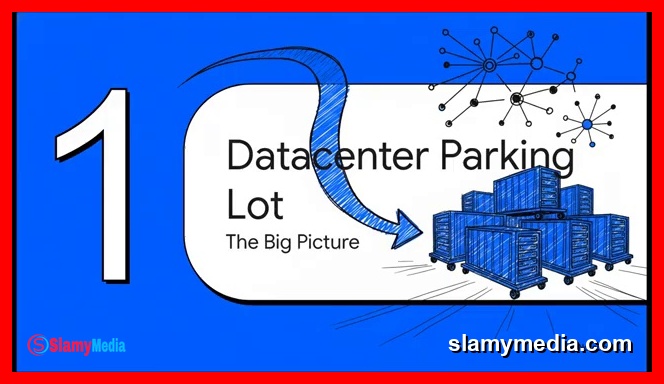
The question at hand is this: How on earth do you take something as complex and, frankly, as massive as a data center and make it mobile? Make it flexible? Believe it or not, the answer might start with something surprisingly simple: a sketch someone doodled. And here it is. This is the sketch. It’s essentially the blueprint for everything we’ll discuss. You can almost feel that back-of-the-napkin vibe, can’t you? But within that simple drawing lies a revolutionary idea for what data infrastructure could become. Let’s break it down piece by piece. First, let’s start with the biggest, most ambitious part of this vision—the big picture.
Key Takeaways
- Mobile Data Centers represent a paradigm shift in infrastructure, enabling scalable, on-demand computing power in remote or underserved regions.
- Container Data Center Units (CDCUs) are self-sustaining, modular systems that combine high-performance computing with renewable energy integration.
- Hybrid Connectivity ensures seamless communication between units, combining fiber-optic networks for high-speed data transfer with wireless for flexibility and redundancy.
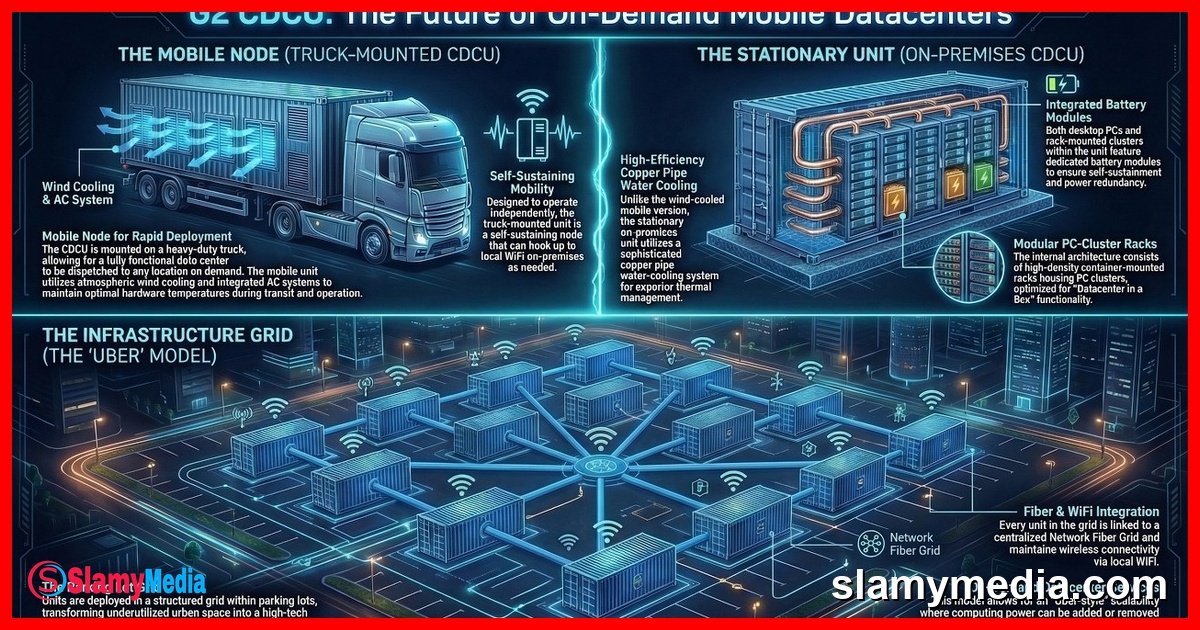
Imagine needing an enormous amount of computing power, yet still requiring flexibility. According to this sketch, the solution is a data center parking lot. Yep, you heard that right. The idea is to take a fleet of these mobile units, arrange them in a grid, and—voilà!—you’ve created a massive on-premises data center. The best part? Scaling is effortless—just add more trucks or remove a few. It’s modularity on a grand scale. But how do these separate units communicate? That’s the key. The sketch reveals a dual approach. The units are physically connected via a network fiber grid for high-speed, heavy-duty operations. At the same time, they use Wi-Fi for wireless communication. This hybrid system transforms individual units into a, interconnected network.
The Building Blocks of the Mobile Data Center Revolution
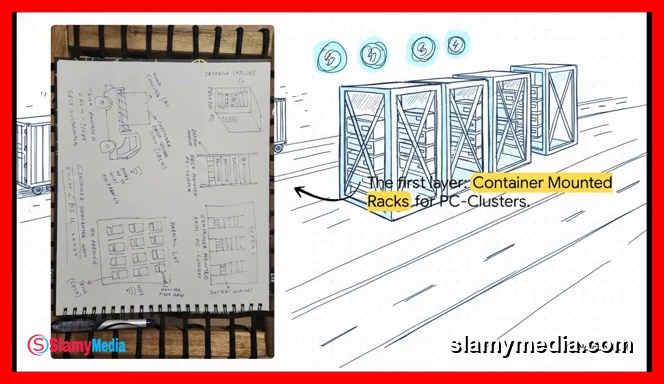
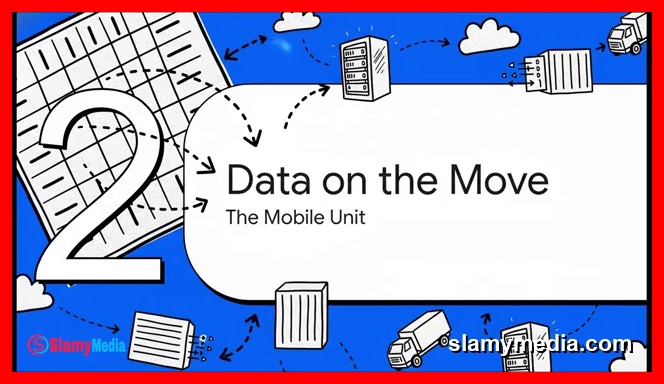
Now, let’s zoom in. Let’s examine the fundamental building block that makes this concept work. That’s the single mobile unit. And there it is: the truck-mounted Container Data Center Unit (CDCU). This is the heart of the entire idea. So, what exactly is a CDCU? Based on the sketch, it’s a self-sustaining, mobile data processing and storage node. The terms “self-sustaining” and “mobile” are critical. They mean the unit can operate independently and travel wherever a road leads. What’s inside the box? What turns a standard shipping container into a powerhouse? The sketch provides a revealing cutaway view.
First, there’s the skeleton: container-mounted racks form the structural framework. These racks must be durable, capable of withstanding the rigors of transportation while securing all internal components. Integrated into these racks are rack-mounted PC clusters. Think of these as the brains of the operation—dense stacks of computers performing processing, storage, and data management tasks. But without power, these systems are just expensive paperweights. Enter the battery modules embedded directly into the racks. This integration ensures the power source is always nearby, keeping the system running.
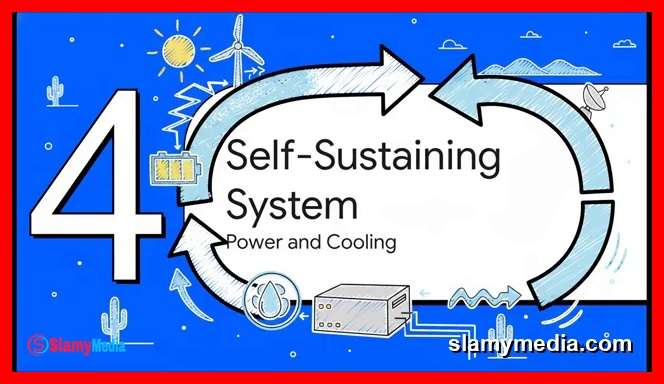
But how does this unit survive on its own, especially in remote locations? This is where the term “self-sustaining” becomes vital. The sketch illustrates a closed-loop system that operates independently. Look closely at the truck diagram. It labels a wind turbine and an AC unit. Here’s how it works: Step one, the unit generates its power via renewable sources like wind. Step two, it stores this energy in integrated batteries. Step three, the stored power fuels the computers. Step four, a cooling system manages the heat generated by the hardware. It’s a self-contained ecosystem, entirely independent.
This system offers two primary modes of operation. In on-premises mode, the CDCU connects to the larger grid of units, enabling massive scalability. In mobile node mode, it functions as a standalone unit, ready for rapid deployment in disaster recovery, temporary data processing, or remote operations. The flexibility of this design is a game-changer, allowing organizations to respond to evolving computational demands with unprecedented agility.
As the demand for cloud computing, edge computing, and AI-driven applications continues to grow, the need for adaptable and resilient data infrastructure becomes more urgent. Mobile data centers like the CDCU offer a compelling solution to these challenges. They provide a scalable, sustainable, and cost-effective alternative to traditional data centers, especially in regions where establishing permanent infrastructure is impractical or economically unfeasible.
Industry experts are already exploring the potential of these units for a wide range of applications. From supporting remote mining operations in the Arctic to enabling real-time data analysis for humanitarian aid efforts, the CDCU’s versatility is reshaping the landscape of data infrastructure. As technology continues to evolve, the integration of renewable energy, AI-driven resource management, and advanced networking will further enhance the capabilities of these mobile data centers, making them an essential component of the modern digital ecosystem.


Conversations (0)