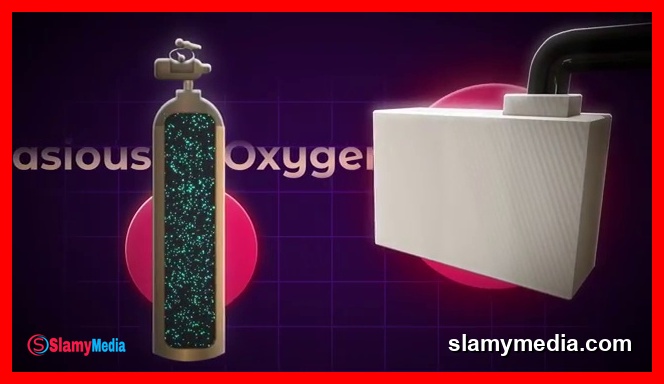
If there's one thing that sets SpaceX apart from their competition in the aerospace industry, it's the courage to dream up crazy ideas that no one else would even consider to be possible. If there's a second thing that makes SpaceX a very special company, it's their ability to take those crazy ideas and actually make them into a reality. The Starship's Raptor engine is a perfect example of this innovation in action. The Raptor is more than just another rocket engine, it is the rocket engine reinvented. Let's start at the beginning with the first production rocket engine from SpaceX, the Merlin. A few different iterations of the Merlin design as SpaceX progressed with their initial Falcon 1 rocket testing. The Merlin 1C was the engine that powered the first successful Falcon 1 launch and went on to be used in the first five flights of the Falcon 9. SpaceX is currently using the Merlin 1D engine across their full line of Falcon 9 and Falcon Heavy boosters. The design of the Merlin engine was a product of the chaotic early days in the life of SpaceX to have a private tech startup company from California enter into the field of orbital rocket launches was outrageous back in the early 2000s. Unprecedented, no one thought they would succeed and therefore no one was investing any money in the project. Elon Musk was self-financing, the whole thing with his PayPal fortune, which was a lot of money but SpaceX was burning through cash as fast as they were burning rocket fuel. So Elon's mission statement for the Merlin was to build a rocket engine as simple and cheap as possible. So what does that look like? Let's talk briefly about how a rocket engine works just so we're all on the same page. The basic concept here is actually not that hard to grasp. Inside the main body of a rocket there are two propellant tanks, one is for oxygen, the other is for fuel. The oxygen side is the same for every kind of rocket because fire needs oxygen to burn. This is like blowing air into your campfire to intensify the flames. To make oxygen into rocket propellant you first have to liquefy it. You convert oxygen from a gas to a liquid state by super cooling it to a cryogenic temperature.
Scene 1 from How SpaceX Reinvented The Rocket Engine!
The boiling point of oxygen is negative 183 degrees Celsius or negative 297 Fahrenheit. So at any temperature below that it will stabilize as a liquid. Pretty cool. Then on the fuel side the Merlin uses a chemical called RP1 which is basically just purified kerosene, it's cheap and accessible and is liquid at ambient temperature. When the rocket engine starts two pumps will move both the oxygen and fuel at very high pressure into the combustion chamber where the two liquids are combined and ignited and that combustion is going to release a massive amount of energy as the propellants burn and expand to create pressure. All of this energy will exit the combustion chamber through the throat. This is like blowing out a candle by pushing the air in your lungs out through a small opening in your lips, you create a high pressure inside your mouth and force the gas to exit through a small opening. Then all of that high pressure, high temperature combustion exhaust exits through the nozzle where it expands from the size of the throat to the size of the nozzle opening. This expansion actually accelerates the exhaust to an even faster speed than when it left the throat. The greater the expansion ratio from the throat to the end of the nozzle, the greater the acceleration of the exhaust. This process converts pressure into thrust. The faster we can throw that exhaust gas out of the back of the nozzle, the faster the rocket will move forward. Every action has an equal and opposite reaction. In the Merlin engine design, those twin pumps for the fuel and oxygen are powered by something called a gas generator. This is like a miniature rocket engine with its own combustion chamber and nozzle, except instead of pointing straight out the bottom, this mini engine fires directly into a turbine. Now the pressure from the combustion reaction is spinning a turbine, which is connected to a main shaft that powers both of the main fuel and oxygen pumps. For the gas has done its work of spinning up the turbine, the excess is vented out the side of the engine through an exhaust pipe. This is what we call an open cycle gas generator and this design goes all the way back to 1944 and the first long-range ballistic missile ever created the German V2 rocket. So when Elon asks for the easiest and cheapest rocket engine possible, this is exactly what he got. The Merlin engine continues to be a fantastic product for SpaceX right up until this day
Scene 2 from How SpaceX Reinvented The Rocket Engine!
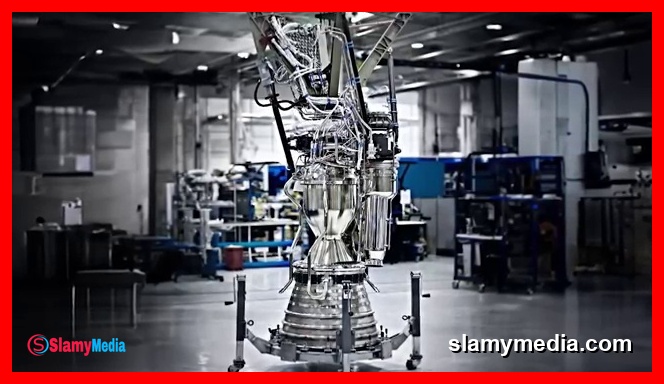
and it will probably continue on like that for several years. But when it came time to begin development on the next generation of SpaceX vehicle, it was going to require the next generation of SpaceX engine. With the Starship Elon Musk had a new mission statement for his engineers. And the most complex rocket engine ever made, give it the highest thrust to weight ratio of any engine in existence and power it with a new rocket fuel that no one has ever used before. So the time to just fall back on classic designs from the 20th century was now long gone. This was time to reinvent the rocket engine. So let's start with the new fuel source. Instead of caracene, the Raptor is now burning methane. Just like oxygen, methane needs to be liquefied at a cryogenic temperature to make it into a suitable rocket fuel. So that adds an extra layer of complexity to the system, but it's worth the trouble. Let me explain. Caracene is a long chain hydrocarbon, which means that it is very difficult to fully combust and convert into gas. You're going to end up with a lot of solid matter left behind as a byproduct of the combustion, even inside an environment like the combustion chamber of a rocket. That leftover carbon solid is what we would typically refer to as SUT, just black dust. And the same as the inside of a chimney, that SUT has a tendency to cling onto the inside of a rocket engine and cause a build up known as COOKING. Now, since a typical rocket engine goes straight to the bottom of the ocean after being used once, that typically doesn't matter. But in a reusable engine like the Merlin, that COOKING all needs to be scrubbed out in between launches, and that's just not going to cut it with the rapid reusability schedule that Elon has in mind for starship. He wants these things launching multiple times per day. Methane is mostly hydrogen with one single atom of carbon for every four atoms of hydrogen. So it's pretty easy to fully combust that carbon and leave nothing behind as a byproduct. For example, if you have natural gas in your home, that's almost entirely methane and you can burn it all day in your furnace or stove without having to worry about carbon residue. So that's fuel. Now how does the internal system of a Raptor engine compare to the old Merlin? The design of the Raptor is called a full flow staged combustion cycle, and it's an exceptionally complex layout of pumps, turbines, and plumbing.
Scene 3 from How SpaceX Reinvented The Rocket Engine!
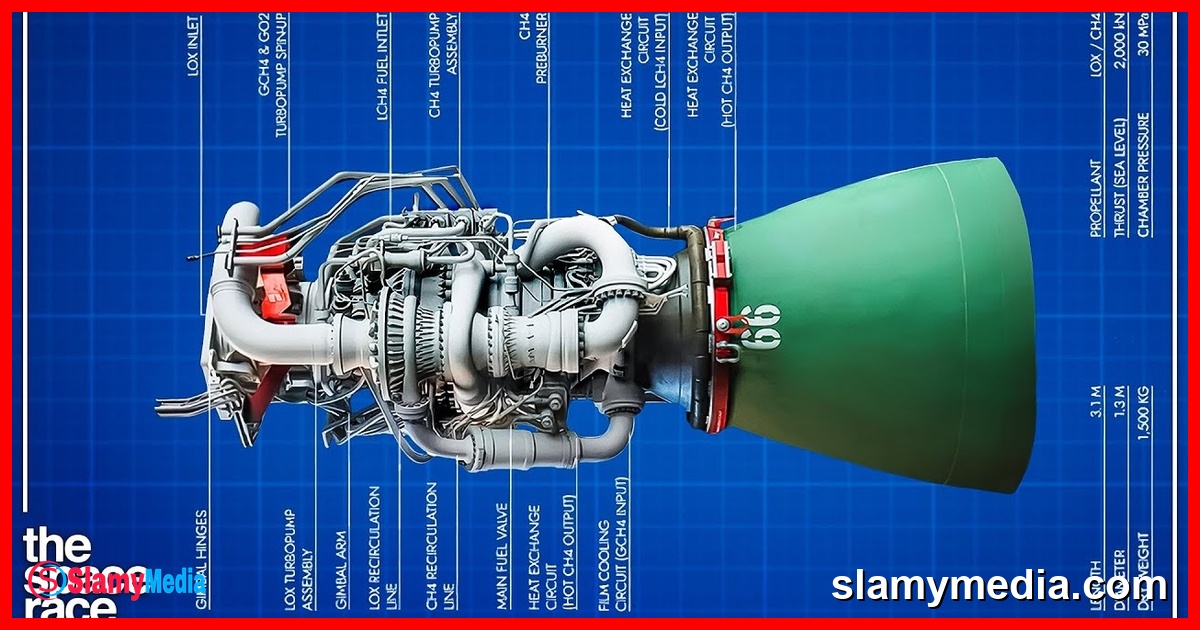
Let's go back to our engine diagram. In the Raptor cycle, the liquids move from the tanks to the main pumps and then directly into a pair of gas generators. Both the fuel and oxygen hit their own individual turbine, so unlike every previous engine which has used a single turbine either on the oxygen side, or in rare cases the fuel side, the Raptor is the only engine with dual gas turbines. Now instead of everything rotating on one main shaft, we have independent turbines and pumps for each tank. When the cryogenic liquid reaches these turbines, the first thing it will encounter is a pre-burner. That's a miniature rocket engine, and the pre-burner combusts the liquid just enough to transform it into a gas. But since neither the oxygen or the methane can combust on their own, there needs to be a cross-connection between the two pre-burners that allows a little bit of oxygen to join the methane flow and a little bit of methane to join the oxygen flow. Once combustion is achieved, the exhaust gas is blasted into the turbine housing where it spins the blade. The turbine blade spins the pump and that sends our now gaseous propellants into the combustion chamber at extreme pressure. But wait a second, if the turbine spins the pump and the pump sends liquid into the turbine, then how does the process get started in the first place? Well SpaceX uses equipment on the launch mount to externally spin start the turbines. This is why the Starship launch mount is considered to be a stage zero for the main rocket. It is integral to the successful ignition of the booster. Two things to note here, number one, this system has no exhaust pipe for the gas to escape after the turbine. That's why we call the Raptor a closed cycle as opposed to the Merlin's open cycle. So in a Raptor, all of the pressure from both of the gas generators is held inside the system, making this an extremely high pressure operation. This is also another area where methane shines as a clean burning fuel source because we are not venting the exhaust from the pre-burner. If you tried this with kerosene fuel, the soot would very quickly build up inside the system and ruin everything. Number two, there is no direct path from the fuel or oxygen pump to the combustion chamber. That means all of the methane and all of the oxygen have to pass through a pre-burner before they reach the chamber. This is why we call the Raptor cycle full flow staged combustion. So now we have both our oxygen and methane exiting their turbines as very hot and very high
Scene 4 from How SpaceX Reinvented The Rocket Engine!
pressure gases. And that gas on gas reaction when they hit the combustion chamber is going to produce the most efficient combustion possible. If the more energy is going to be generated by gas on gas then by liquid on liquid, Elon Musk claims that this reaction is over 99% efficient, the maximum that physics will allow. Elon says that only God himself could possibly do a better job at combining molecules than the Raptor combustion chamber. Now if that all sounded very complicated, that's because it is its rocket science after all. Elon has referred to igniting the Raptor engine as a delicate dance between the fuel system and the oxygen system, everything is interconnected and everything affects everything else. So if anything goes wrong or even if the methane and oxygen cycle gets even slightly out of sync with each other, then the whole engine will explode or at the very least parts will melt. We know how the Raptor does what it does, let's talk about what all that means for the performance and power of this engine. The Raptor is a relatively small engine that produces a relatively massive amount of thrust. The current Raptor version 2 is creating 230 metric tons of thrust at sea level. This is not the most powerful rocket engine that title goes to the F1 engine that lifted the Saturn V rocket. It had more than twice the thrust of a Raptor, but it was also an absolutely humongous engine that you could park a Jeep inside of. By comparison, the Raptor is super compact at 3 meters tall and 1.5 meters wide at the nozzle. This allows SpaceX to pack 33 of them into the 9 meter diameter booster. Raptor is much smaller than a close equivalent such as the RS25 engines that powered the space shuttle and have also been adapted to the SLS moon rocket. But the RS25 only produces about 190 metric tons of thrust, so Raptor has an unmatched power to weight ratio. The Raptor weighs in at just 1600 kg, while the RS25 is nearly 30-200 kg. And Raptor accomplishes this by running the combustion chamber at significantly higher pressure than any other rocket engine in the world. The Raptor 2 chamber pressure is currently 300 bar, which converts to about 4351 pounds
Scene 5 from How SpaceX Reinvented The Rocket Engine!
per square inch. For comparison, the old Merlin engine chamber pressure is down at around 100 bar. Remember that the rocket engine uses the throat and the nozzle to convert pressure into thrust, so more pressure means more thrust. Elon Musk says that the work going forward on the Raptor design will be primarily to make the engine more simplified and therefore cheaper and faster to produce. This comes back to one of Elon's favorite sayings. The best part is no part, which is at the core of his first principles philosophy. The steps that Elon follows when he's designing something are to first question the constraints and requirements and make them less dumb, aka, don't follow any rule that doesn't make sense. Then second, delete any part of the design process that isn't necessary. If you aren't forced to put back at least 10% of the things that you deleted, then you didn't delete enough. Step 3, optimize. Step 4, accelerate. Step 5, automate. And we can already see that in action with the transition from Raptor 1 to Raptor 2. There are significantly fewer parts visible on the new engine. Elon says that he wants to delete all of the fiddly bits from the engine, that means integrating more of the small pipes and wiring into larger conduits and replacing bolted philanges and solid welds. Elon says that by integrating more components of the engine, they can actually remove the shrouds, which are essentially protective heat shields. Obviously removing anything from a rocket ship design is going to make it lighter and cheaper, which is absolutely critical for sustainable spaceflight. This process will also continue to make Raptor cheaper and more production friendly, which is the ultimate main goal. You may wonder, why do they need so many engines if the rocket is going to be fully reusable? Well, we've got to think longer term here. That's where Elon's head is at. His end goal with Starship is to make these rockets as common as jet airliners are today. A fleet numbering at least 1000 ships or more. These ships would be in constant operation for transit between the Earth and Mars, the Earth and the Moon, or even using the ship as a point-to-point transport on the Earth itself. The endgame of the Starship is to become one of the most important vehicles ever created in human history. This is right up there with the first sailing ships that cross the ocean and connected the globe. The Starship can connect the solar system.