


How AI Transformed Our Daily Lives: From Science Fiction to Reality
Have you ever stopped mid-scroll, mid-conversation, or even mid-thought and wondered, how is it that machines seem to understand us now? Not just follow commands, but recommend what we watch, finish our sentences, recognize our faces, and even create art or write stories. It feels almost human. But behind that illusion is something far more structured, far more fascinating. Because what we call artificial intelligence isn't magic. It's a system built piece by piece, shaped by decades of curiosity, trial, and innovation. And today we will uncover how something that once existed only in science fiction became part of your everyday life, right here, on History of Simple Things.
Key Takeaways
- AI is a collection of technologies working together, not a single invention.
- Machine learning allows systems to learn from data rather than being programmed with rules.
- Neural networks identify patterns through statistical analysis, not true understanding.
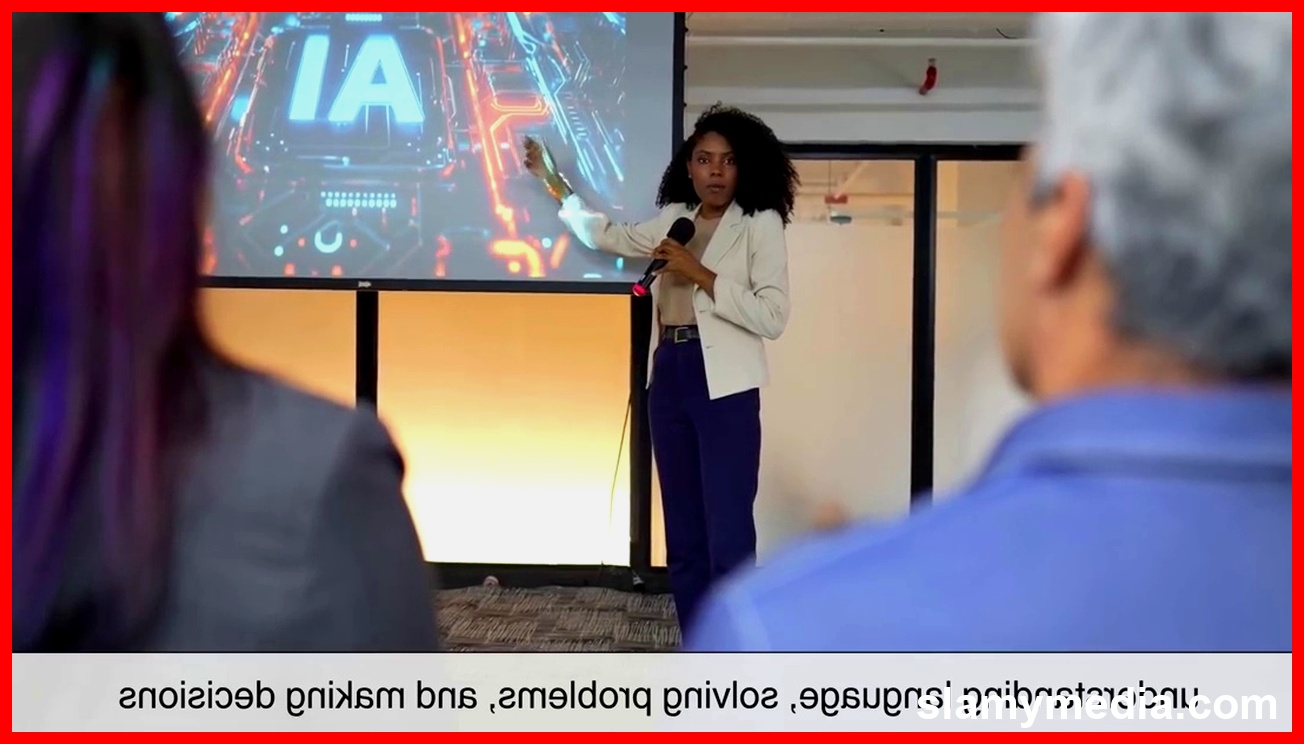
But here's the important part. AI doesn't think the way humans do. It doesn't have consciousness, emotions, or awareness. Instead, it processes information using algorithms, step-by-step instructions that guide it toward a specific outcome. To understand AI better, it helps to think of it not as a single invention, but as a collection of technologies working together. One of the most important of these is something called machine learning. Instead of programming a computer with every rule it needs to follow, machine learning allows the system to learn those rules on its own by analyzing data. For example, if you show a machine thousands of pictures labeled cat and not cat, it begins to identify patterns like shapes, textures, or features that help it distinguish one from the other. Over time, this learning process becomes more refined. The more data the system processes, the better it gets at making predictions or decisions. That's why AI systems today are far more capable than those from even a decade ago.
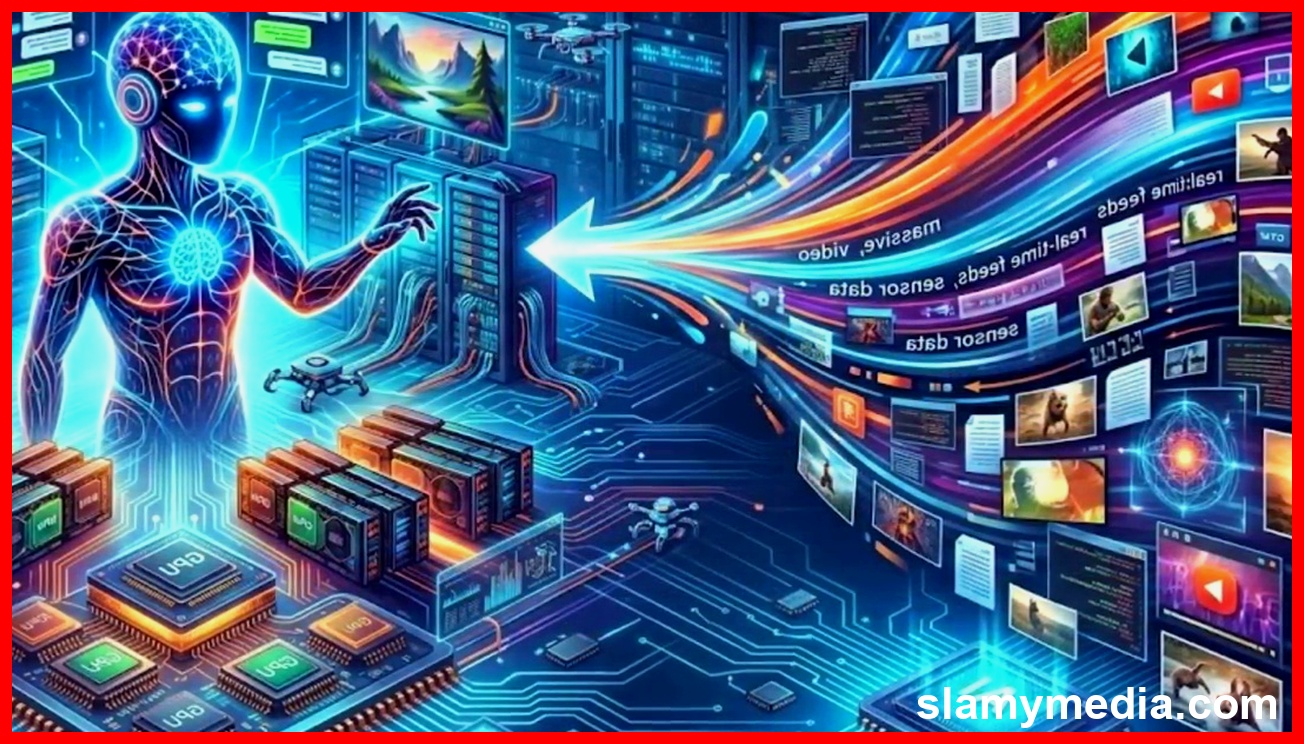
They've simply had more data to learn from, and more powerful computing systems to process it. Another key concept in AI is something called neural networks. These are loosely inspired by the human brain. Most of our brains are made up of interconnected neurons. Neural networks are made up of layers of connected nodes. Each node processes a small piece of information, and when combined they allow the system to recognize complex patterns. This is what powers things like voice assistance, image recognition, and even language models that can generate human-like text. But despite the name, neural networks are not actual brains. They don't understand things the way we do. They identify statistical patterns and probabilities. When an AI predicts the next word in a sentence, it's not because it knows what you mean. It's because it has calculated what word is most likely to come next based on patterns it has seen before.
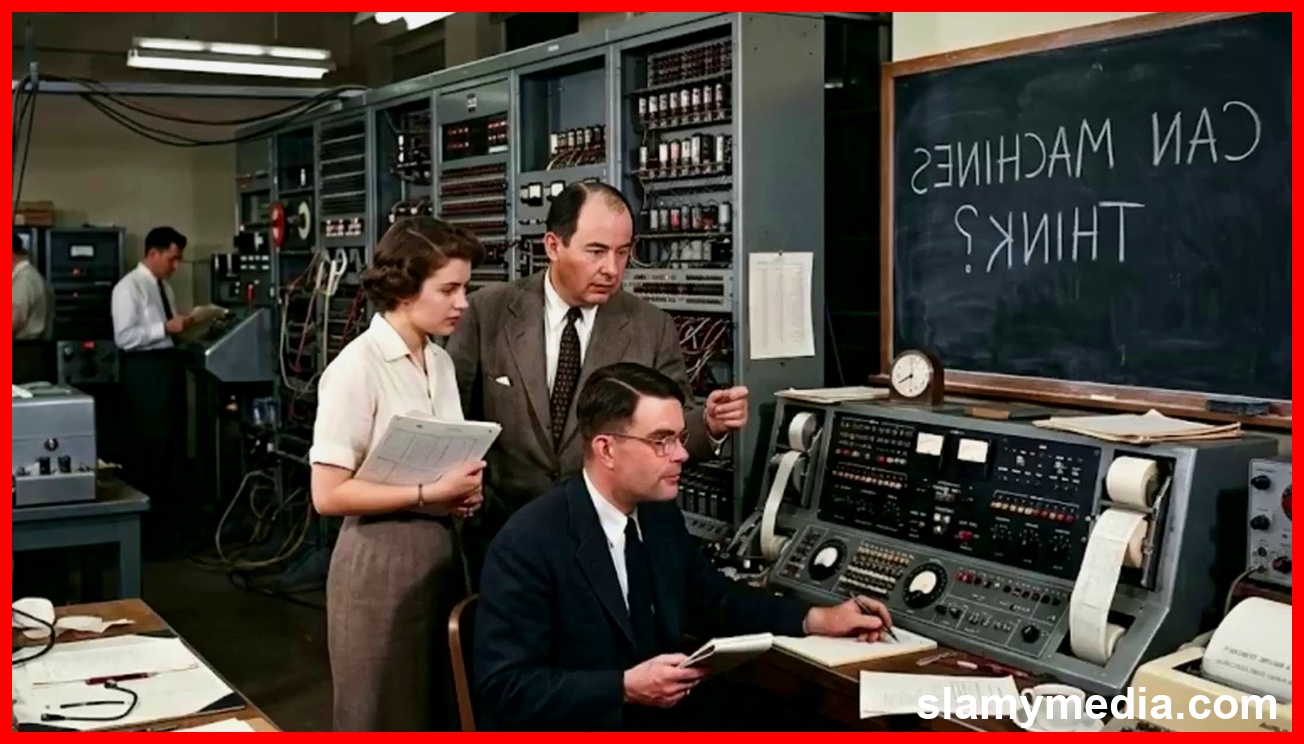
The idea of machines mimicking intelligence isn't new. In fact, it dates back to the mid-20th century, when early computer scientists began asking a simple but powerful question. Can machines think? This question sparked decades of research and experimentation. Early AI systems were limited, often relying on rigid rules and struggling with anything outside their programming. For a long time progress was slow. Computers weren't powerful enough and data was limited. This period is sometimes referred to as an AI winter, when interest and funding declined due to unmet expectations. But behind the scenes, researchers continued refining their methods, waiting for technology to catch up. And eventually it did. With the rise of the internet, vast amounts of data became available. At the same time, computing power increased dramatically. This combination allowed machine learning models to grow more complex and more capable. Suddenly, tasks that once seemed impossible, like real-time language translation or facial recognition, became achievable.
As AI continues to evolve, its impact on our lives is only going to grow. From personalized recommendations to life-saving medical diagnostics, the potential is vast. Yet, as we embrace this technology, it's crucial to understand its limitations and ensure it's used responsibly. The journey from science fiction to reality has been remarkable, but the future promises even more transformation.
Disclaimer: This article was compiled and adapted from historical reporting and enhanced for readability. Some quotes may be paraphrased for clarity.


Conversations (0)