

Hoover Dam's Construction: A Monument to Human Ingenuity and Sacrifice
High above the floor of Nevada's Black Canyon, a group of men repelled down the cliff face. Suddenly, a man stumbled over the canyon rim. He plummeted past the men, too fast for them to grab, when another climber swung out from the rocks and carried him to safety. Since they'd repelled the engineer up the cliff, his savior swung back to business as usual. Just another day in the construction of the Hoover Dam.

Key Takeaways
- In 1922, the Bureau of Reclamation decided to build the Hoover Dam to address water, energy, and agricultural needs in the Southwest.
- The dam's unique arch-gravity design uses the canyon walls as its support, making it one of the most innovative structures of its time.
- Construction began in the early 1930s, employing thousands of workers during the Great Depression.
During the early 20th century, the United States had expanded from coast to coast, but many cities in the arid Southwest still lacked reliable water sources. While the Colorado River had been diverted into a series of canals, its erratic flow and frequent floods made it unreliable for agriculture. At the same time, the region's growing cities and industries continually needed more energy. So, in 1922, the Bureau of Reclamation decided to solve all these problems in one fell swoop by building a massive hydroelectric dam.
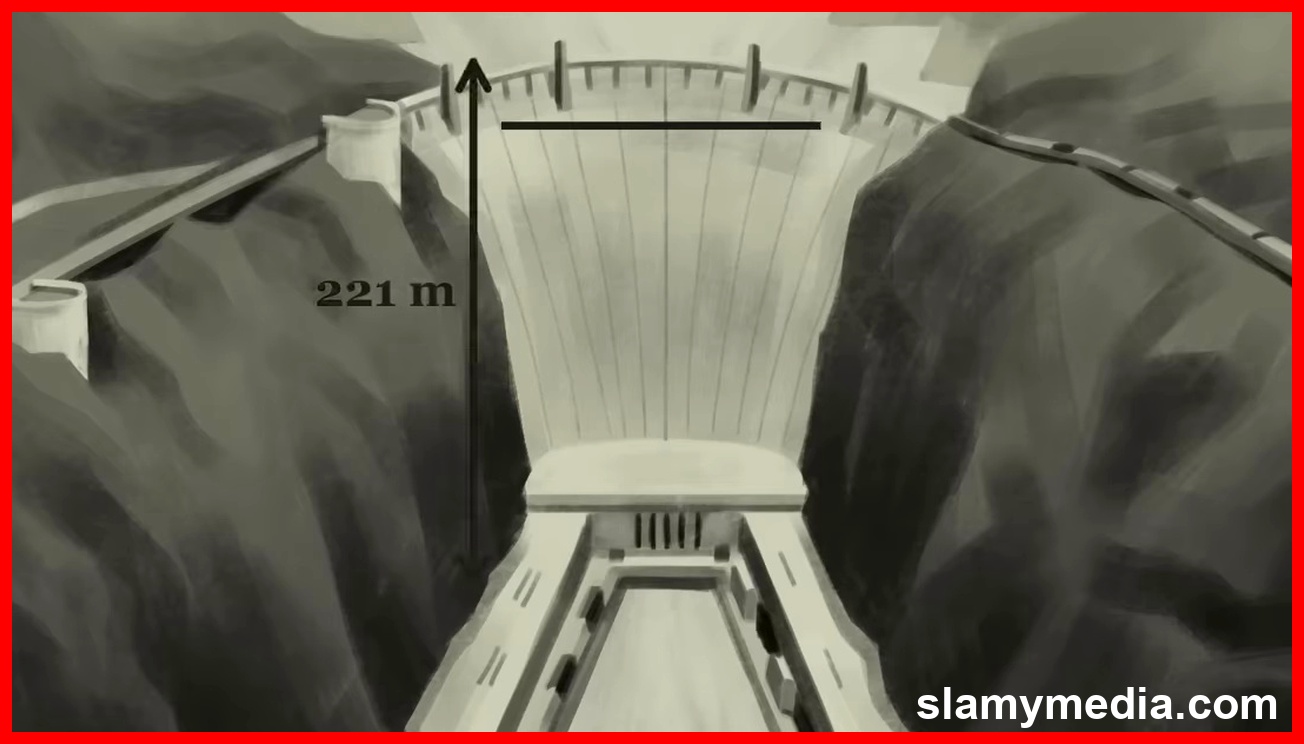
Ensuring water rights for the project required unprecedented cooperation between all seven states along the river. But once local governments agreed, the Bureau determined that Black Canyon's narrow gorge was best suited for an arch-gravity dam. This design curves upstream using the force of oncoming water to push the structure into its supports. In this case, the canyon walls. Arch dams have been built since ancient times, but never on such a massive scale. When complete, the structure would be 221 by 379 meters.
It would take an enormous labor force to build a dam this massive. And when the Great Depression struck only a year after the project's approval, thousands of families looking for work began flocking to the site. The earliest arrivals lived in a makeshift encampment called a rag town. With no infrastructure, scarce supplies and little protection from the elements, several residents died of heatstroke. So to better house workers, the government designed and built the still thriving Boulder City, complete with numerous amenities, including a state-of-the-art hospital.
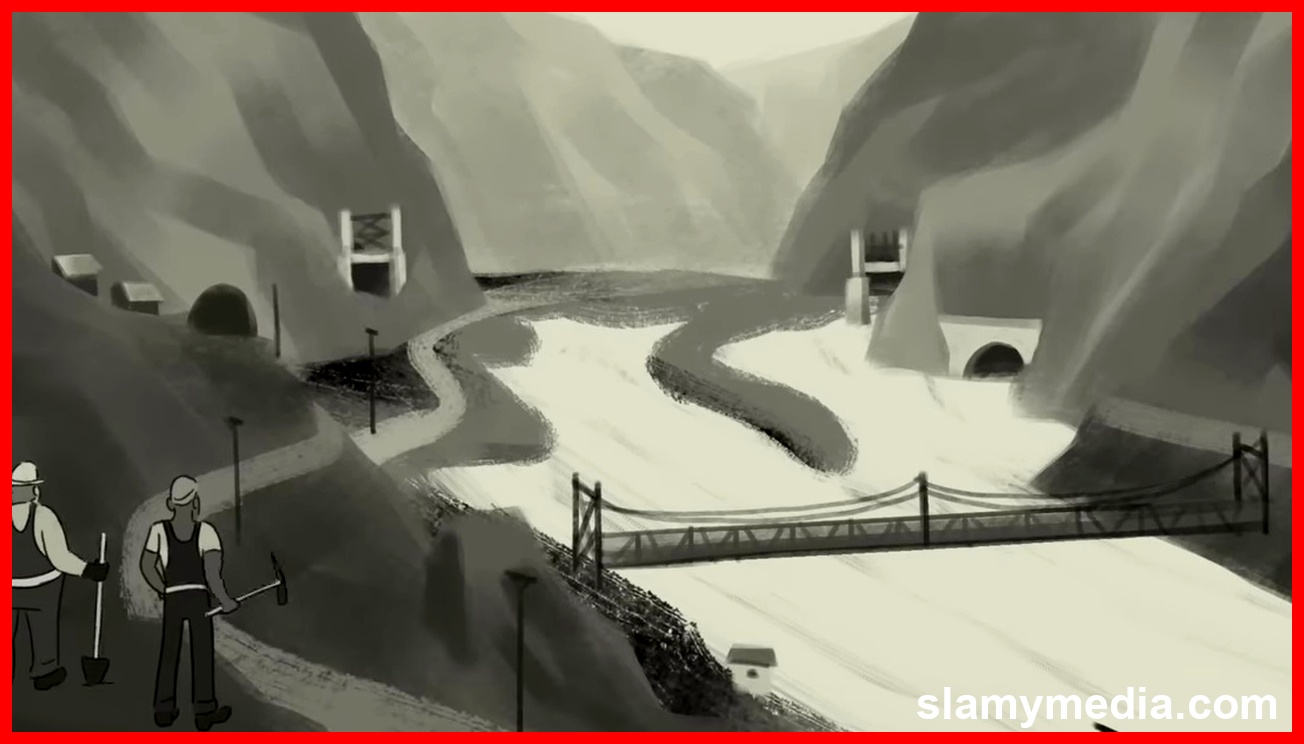
Before construction on the dam could begin, the entire river had to be rerouted. Building these diversion tunnels required blasting into each side of the canyon to create 17 meter tall tubes. With a combined length of almost 5 kilometers, these tunnels could divert roughly 5,600 cubic meters of water per second. However, workers faced grueling conditions to finish these on time, and dozens succumbed to the scorching heat. By the fall of 1932, the river had been successfully redirected, but the most dangerous work was still ahead.
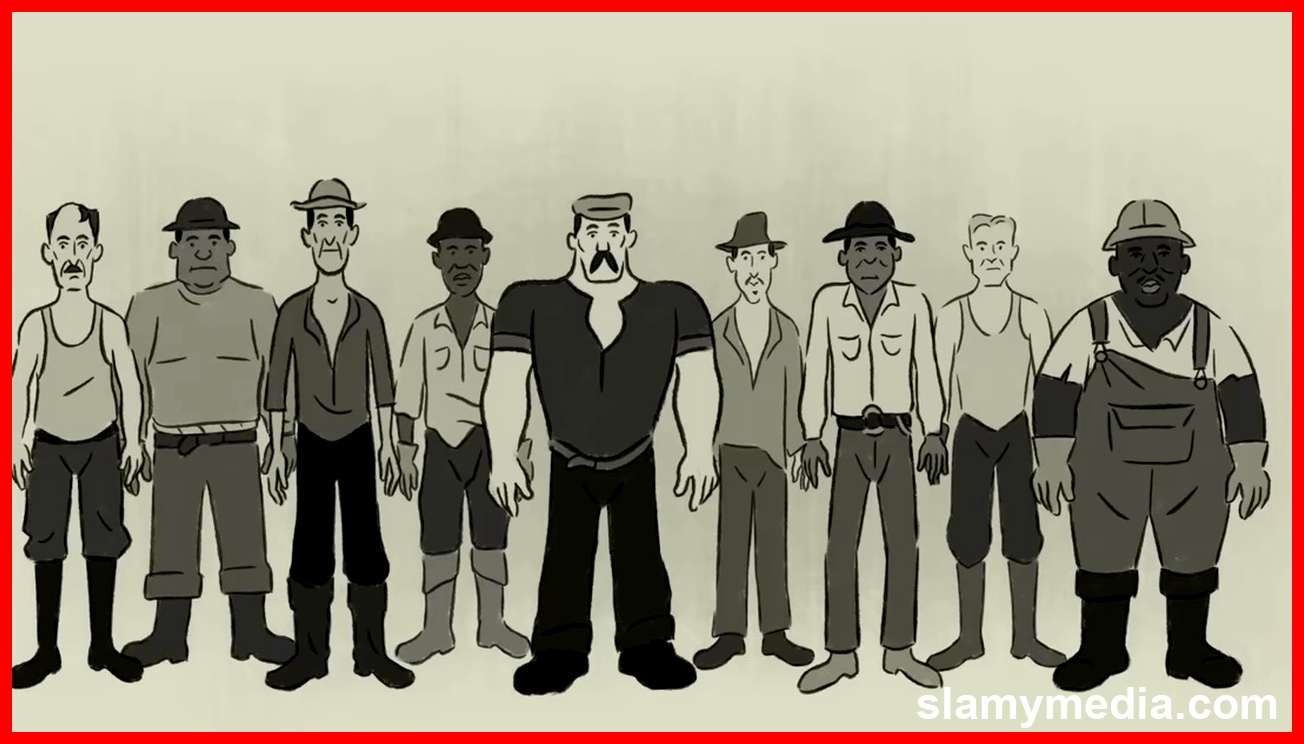
Over 1 million cubic meters of loose rock needed to be cleared from the canyon walls. So Foreman brought in high scalars who descended the cliffs on ropes, removing rubble with jack hammers and dynamite. From circus acrobats and former sailors to local Apache, these death-defying individuals performed some of the most dangerous and glamorous work on site.
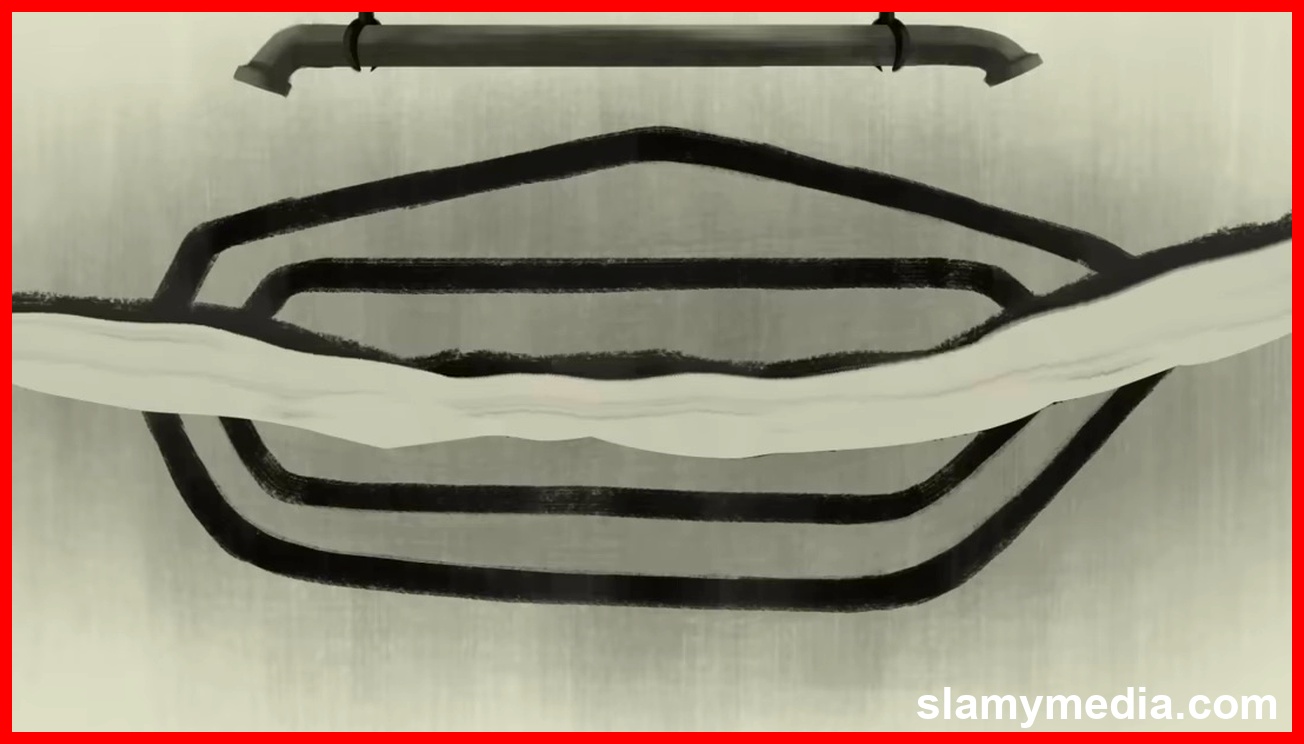
After the walls were cleared, it was finally time to build the dam. This required pouring over 6.6 million tons of concrete, enough to pave a road across the entire U.S. But so much concrete poured at once would take far too long to cool and harden. So to speed this process up, concrete was poured in interlocking blocks of varying sizes, each containing steel pipes flowing with cold water. By 1935, most of the structure had been completed two years ahead of schedule. On February 1st, the diversion tunnels opened to fill the dam's reservoir, capable of holding twice the Colorado River's annual flow.
"The Hoover Dam stands as a testament to human ingenuity, but its construction came at a heavy cost."
Upon completion, the dam was the tallest man-made structure in the world. However, the speed of its construction came at the cost of worker safety. While this project employed roughly 21,000 Americans during a major economic crisis, over 100 people died during construction. Creating the reservoir also destroyed communities like St. Thomas and devastated the Colorado River ecosystem.
Today, the Hoover Dam remains an iconic symbol of engineering achievement, but its legacy is a complex mix of progress and sacrifice.
Disclaimer: This article was compiled and adapted from historical reporting and enhanced for readability. Some quotes may be paraphrased for clarity.



Conversations (0)