

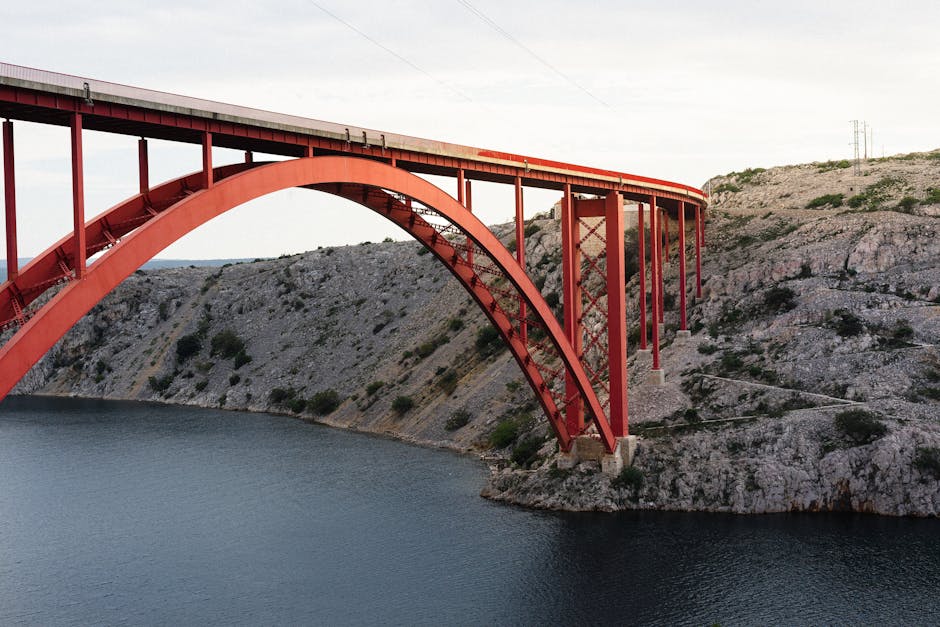
The Birth of an Icon: The Golden Gate Bridge's Construction Story
In the mid 1930s, two familiar spires towered above the morning fog, stretching 227 meters into the sky, these 22,00,000 tonne towers would help support California's Golden Gate Bridge. Since they were currently in Pennsylvania, they first had to be dismantled, packaged, and shipped piece by piece, over 4,500 kilometers away. Moving the bridge's towers across a continent was just one of the challenges facing Charles Ellis and Joseph Strauss, the project's lead engineers.

Key Takeaways
- The Golden Gate Bridge's towers had to be shipped from Pennsylvania to California over 4,500 kilometers.
- Opposition to the bridge included military concerns, ferry companies, and residents wanting to preserve natural scenery.
- The project faced extreme weather conditions and seismic risks due to the San Andreas fault.
Even before construction began, the pair faced all kinds of opposition. The military feared the bridge would make the important harbor and even more vulnerable target.
Ferry companies claimed the bridge would steal their business, and residents wanted to preserve the area's natural scenery. For still, many engineers thought the project was impossible. The Golden Gate Strait was home to 96 kilometers per hour winds, swirling ties, an endless blanket of fog, and the earthquake prone San Andreas fault. But Strauss was convinced the bridge could be built, and that it would provide San Francisco's commuters more reliable passage to the city. He was, however, a bit out of his depth.
Key Takeaways
- Strauss' initial cantilever design was deemed too risky for the Golden Gate Strait.
- Ellis and Moysig convinced Strauss to switch to a suspension bridge design.
- The suspension bridge design allowed for more flexibility and resilience against wind and seismic activity.
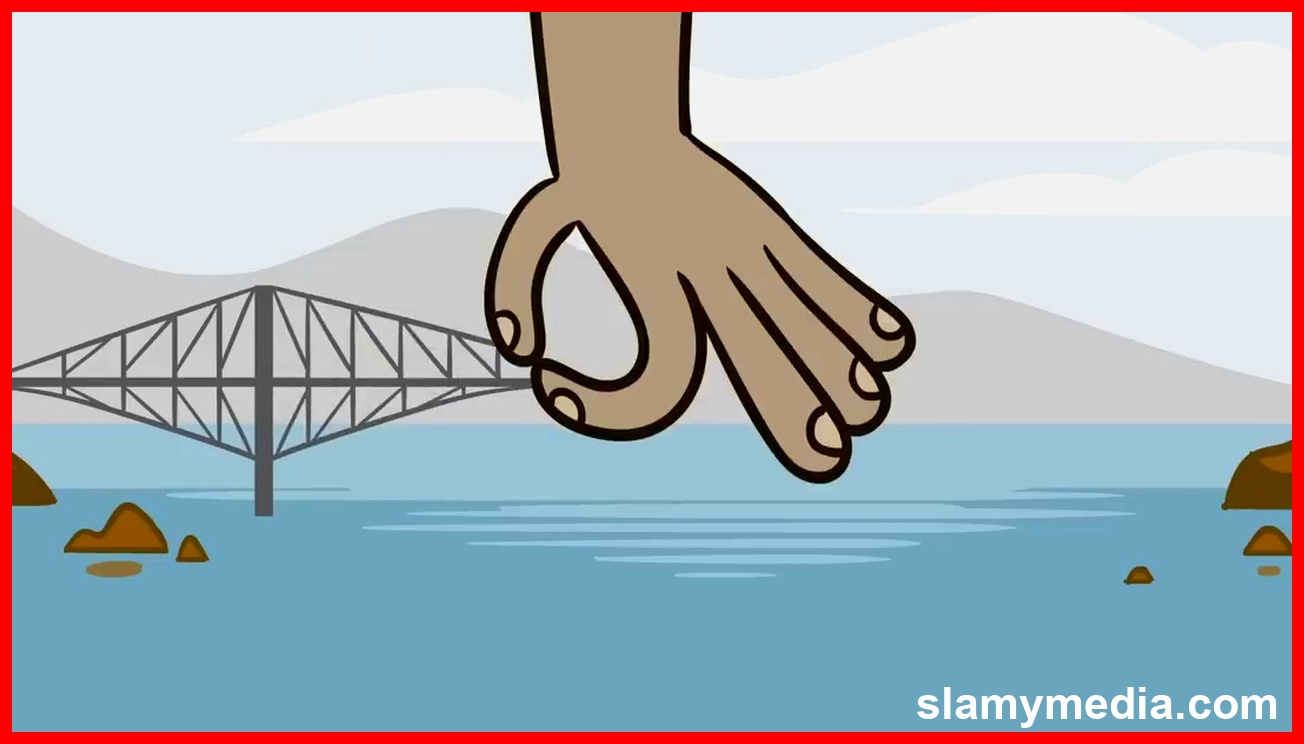
Strauss' initial plans to span the Strait used a cantilever bridge. This kind of bridge consists of a single beam anchored at one end and extended horizontally like a diving board. Since these bridges can only extend so far before collapsing under their own weight, Strauss' design used two cantilevers, linked by a structure in the middle.
But Ellis and his colleague Leon Moysig convinced Strauss to pursue a different approach, the Suspension Bridge. Where a cantilever bridge is supported from one end, a suspension bridge suspends its deck from cables strung across the gap. The result is a more flexible structure that's resilient to winds and shifting loads. This kind of design had long been used for small, rope bridges, and in the 1930s, advanced steel manufacturing could create cables of bundled wire to act as strong steel rope for large-scale construction.
Key Takeaways
- The suspension bridge design was only possible due to advances in steel manufacturing.
- Construction required building the south tower underwater, using bombs to create openings for foundations.
- Workers operated in 20-minute shifts between tides to ensure safety and progress.
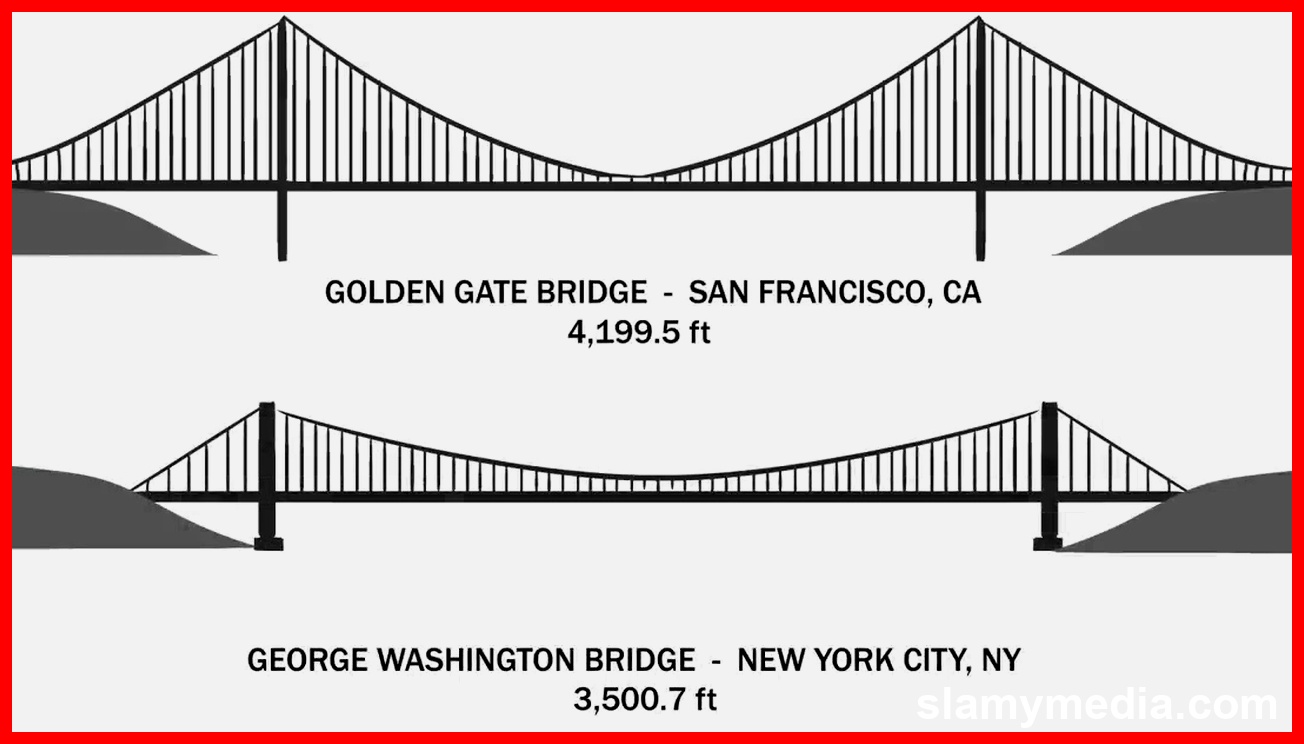
At the time, the Golden Gate Bridge was the longest and tallest suspension bridge ever attempted, and its design was only possible due to these innovations.
But cables and towers of this size could only be built at large steelworks on the country's east coast. While the recently completed Panama Canal made it possible to ship these components to California, reassembling the towers on site didn't go quite as smoothly. It was relatively easy to find a stable shallow foundation for the north tower, but building the south tower essentially required erecting a ten-story building underwater. Since the straits depth prevented them drilling or digging the foundations, bombs were dropped on the ocean floor creating openings for pouring concrete. A seawall was built to protect the site from powerful currents, and workers operated in 20-minute shifts between tides.
Key Takeaways
- Workers faced extreme conditions, including an earthquake that rocked the south tower nearly five meters.
- Safety measures like hard hats and safety nets were implemented to protect workers.
- An accident in 1937 resulted in the deaths of ten workers when a scaffolding platform fell.
The towers had so many compartments that each worker carried a set of plans to prevent getting lost, and at one point an earthquake rocked the south tower nearly five meters in each direction. Strauss took worker safety very seriously, requiring hard hats at all times and stretching a safety net below the towers. But not even these precautions could prevent an entire scaffolding platform from falling in 1937, carrying ten workers to their deaths. Once the towers were complete, workers spun the cables in place, hung suspenders at 50-foot intervals, and laid down the concrete roadway. The bridge was finished, but there was still one more task ahead, painting it.
Key Takeaways
- The bridge's original steel primer was challenged by the Navy's push for a tactical black and yellow color.
- Consulting architect Irving Morrow advocated for the natural color of the bridge's steel.
- Local residents supported the use of the original primer, leading to its adoption.
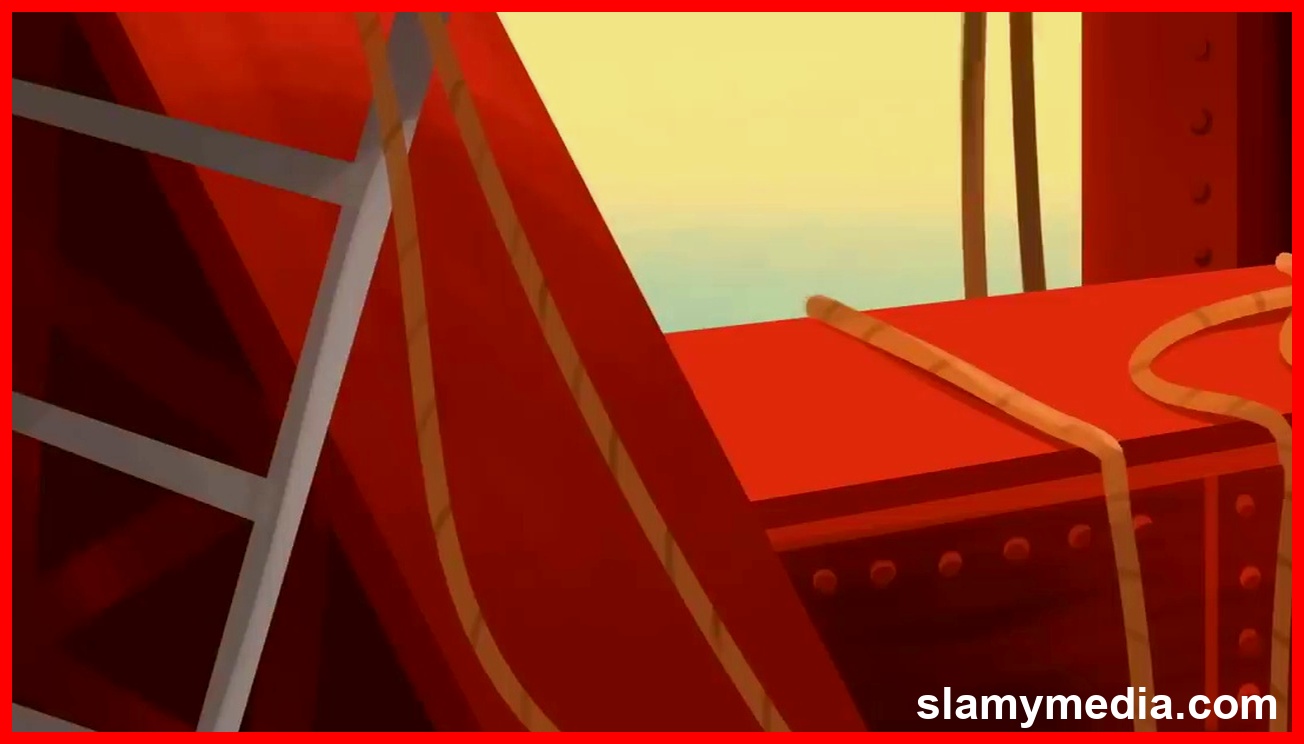
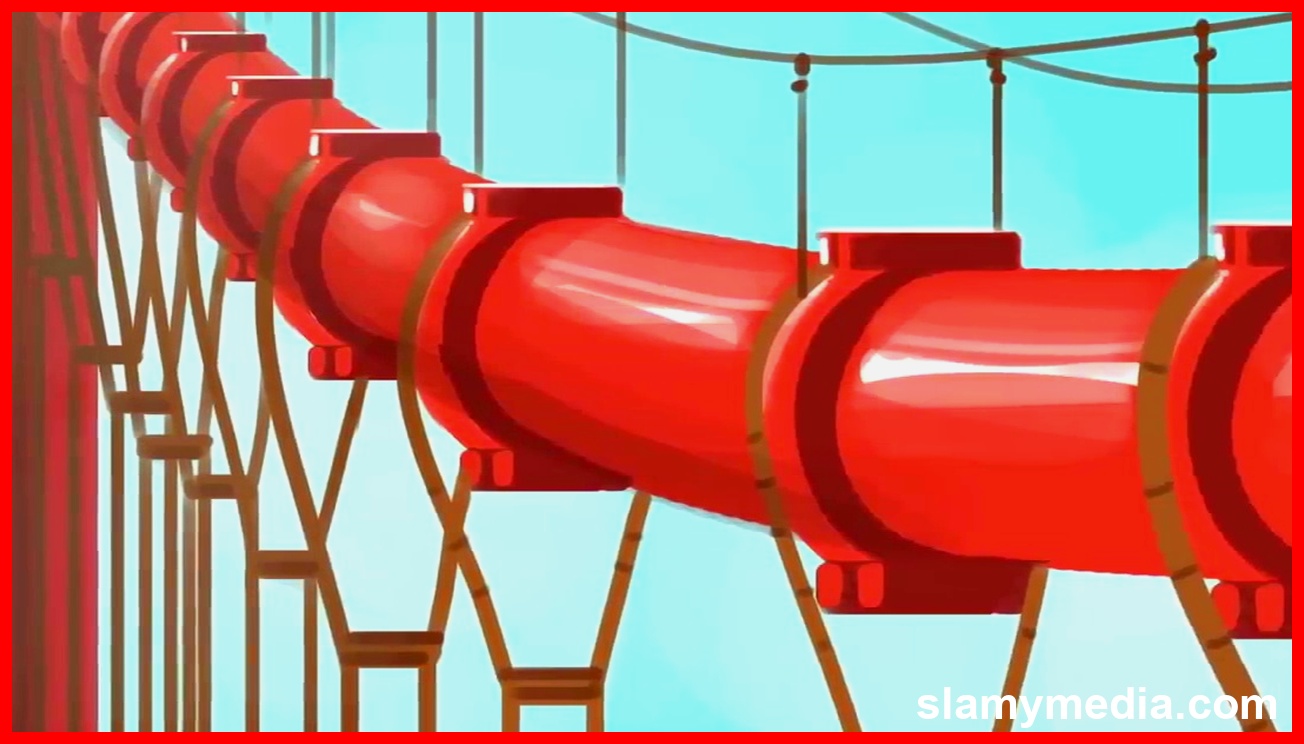
After production, the steel had been coated with a reddish-paint primer it maintained throughout construction, but the Navy had been pushing hard to paint the bridge a tactical black and yellow.
Consulting architect Irving Morrow actually thought the primer itself paired nicely with the straits natural backdrop, and he wasn't alone. Sighting numerous letters from locals, Morrow's
Disclaimer: This article was compiled and adapted from historical reporting and enhanced for readability. Some quotes may be paraphrased for clarity.



Conversations (0)