

Breaking News: Falcon Heavy 2026 Marks a Major Milestone for NASA's Roman Space Telescope
This year, 2026 is officially the year of the Falcon Heavy. After a relatively quiet period that left many of us wondering if the world's most cinematic rocket was taking an extended vacation in the Bahamas, SpaceX is truly determined to bring the heavy lifter back with a vengeance. And the biggest headline of them all? The Nancy Grace Roman Space Telescope, a mission we previously thought was a 2027 dream has made a massive breakthrough. It's now part of the Falcon Heavy 2026 profile and it's coming at us faster than a rocket booster returning to a landing zone.
Key Takeaways
- The Nancy Grace Roman Space Telescope is set for an early September 2026 launch on the Falcon Heavy rocket.
- The mission was originally scheduled for 2027 but has been accelerated to 2026, with NASA Administrator Jared Isaacman confirming the timeline.
- The telescope, valued at $3.5 billion, is the most powerful space observatory ever built and will be launched from Florida's pad 39A.
"This is truly a monumental achievement for the team," said NASA Administrator Jared Isaacman, confirming the telescope's early 2026 launch.
The announcement included some incredible footage of the crew working on the telescope proving 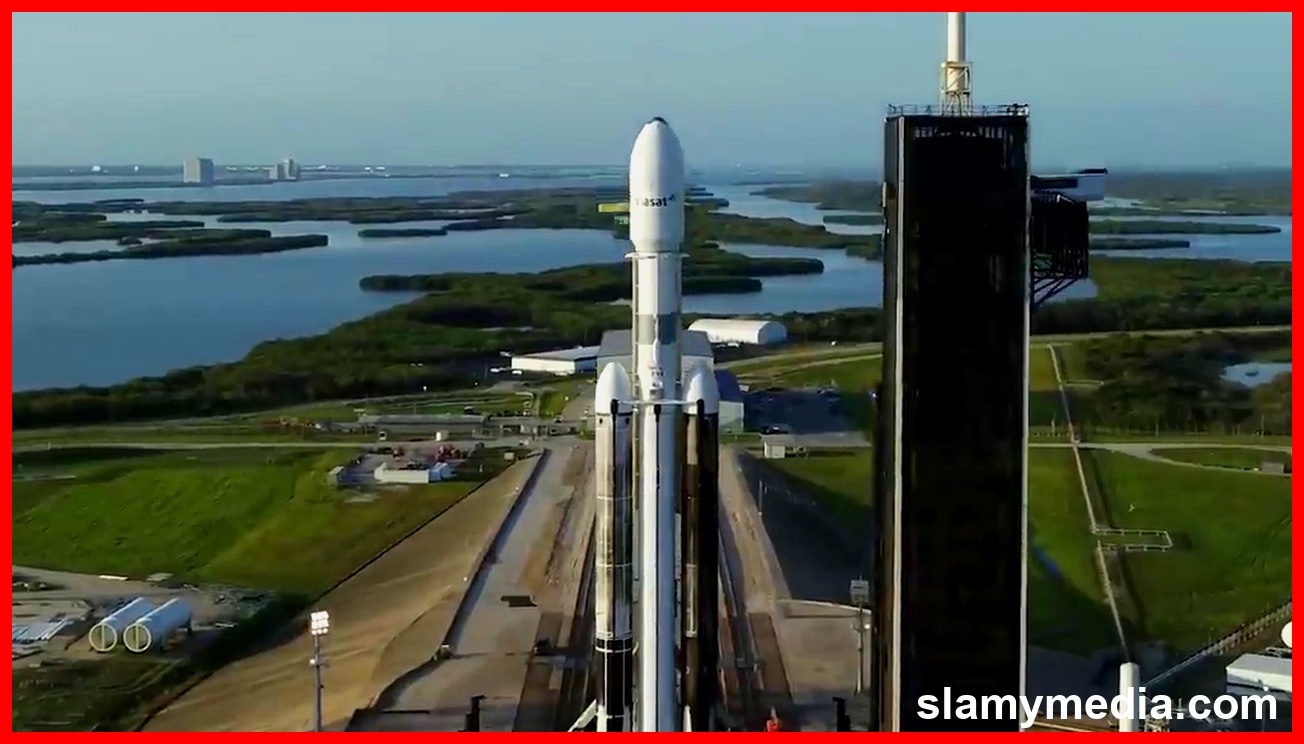
that this is not just wishful thinking, the hardware is ready to go. SpaceX was quick to follow up confirming that the Falcon Heavy is targeted to launch the Roman telescope from the legendary pad 39A in Florida as soon as early September 26.

This might seem like a sudden shift, but the clues were there if you knew where to look. Back in March, NASA gave us a little teaser by stating that the telescope was almost ready for its big day wrapping up pre-launch testing. More recently, we saw images of the telescope being tucked safely inside a clean room at NASA's Gotter facility. It looks polished, it looks pristine, and it looks like it's tired of being on Earth.
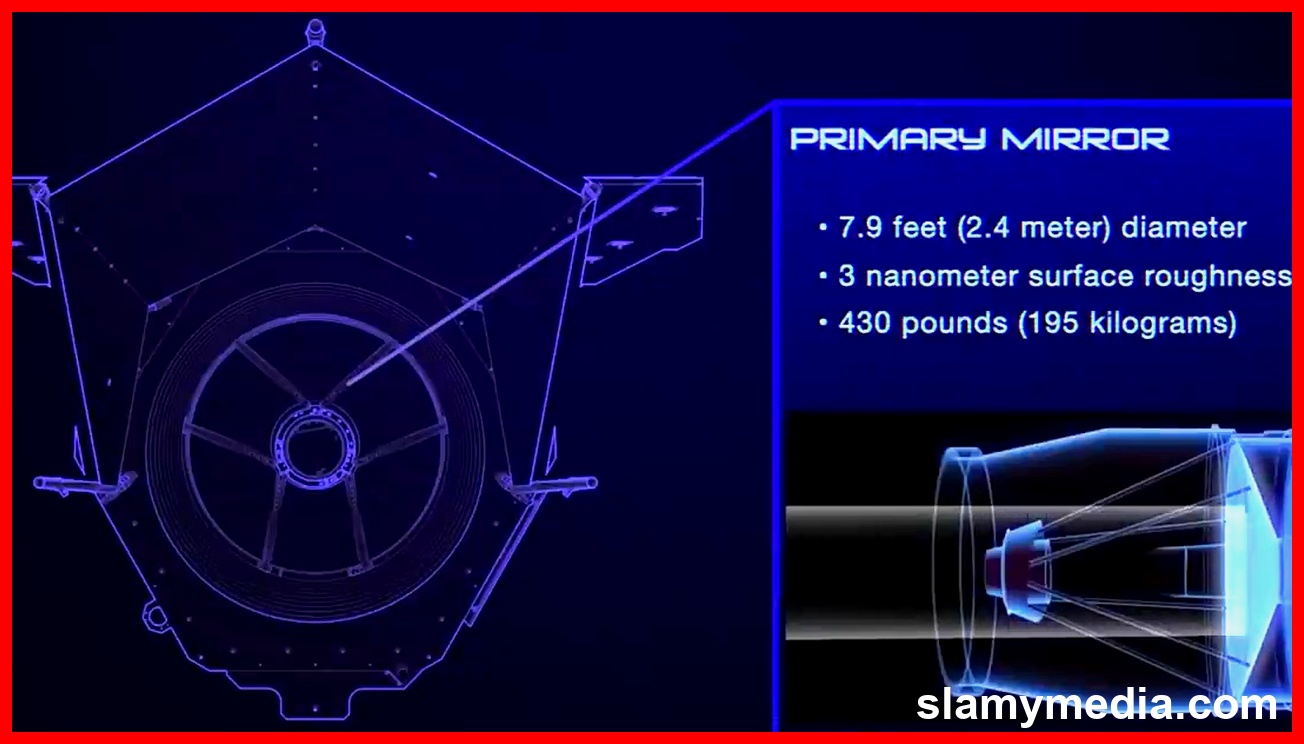
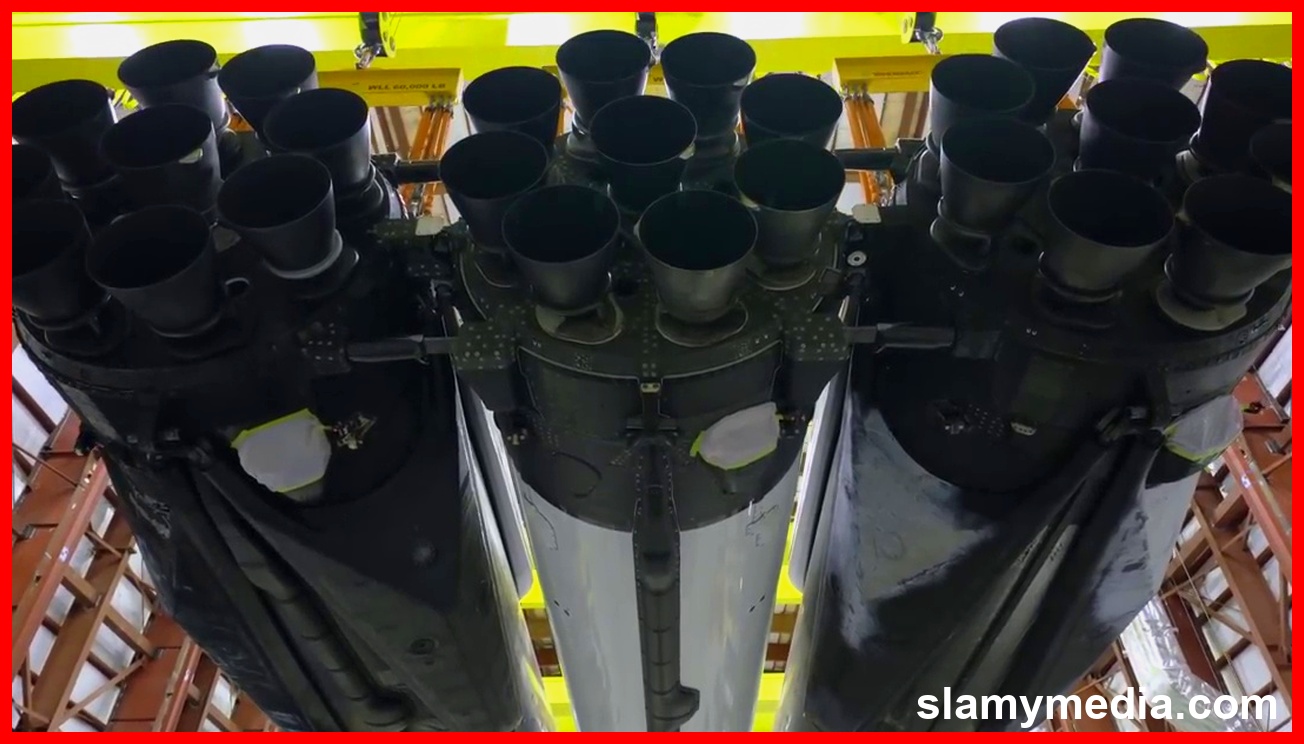
The Falcon Heavy was the only real choice for this mission and for very good reason. The telescope weighs a hefty 10.5 tons, and it's not just going into a low orbit to snap pictures of the clouds, it's headed for the L2 Lagrange point, a gravitationally stable spot located about 1.5 million kilometers away from Earth. When you have 10 tons of high-tech glass that needs to go that far, you don't call a standard rocket you call the heavy.
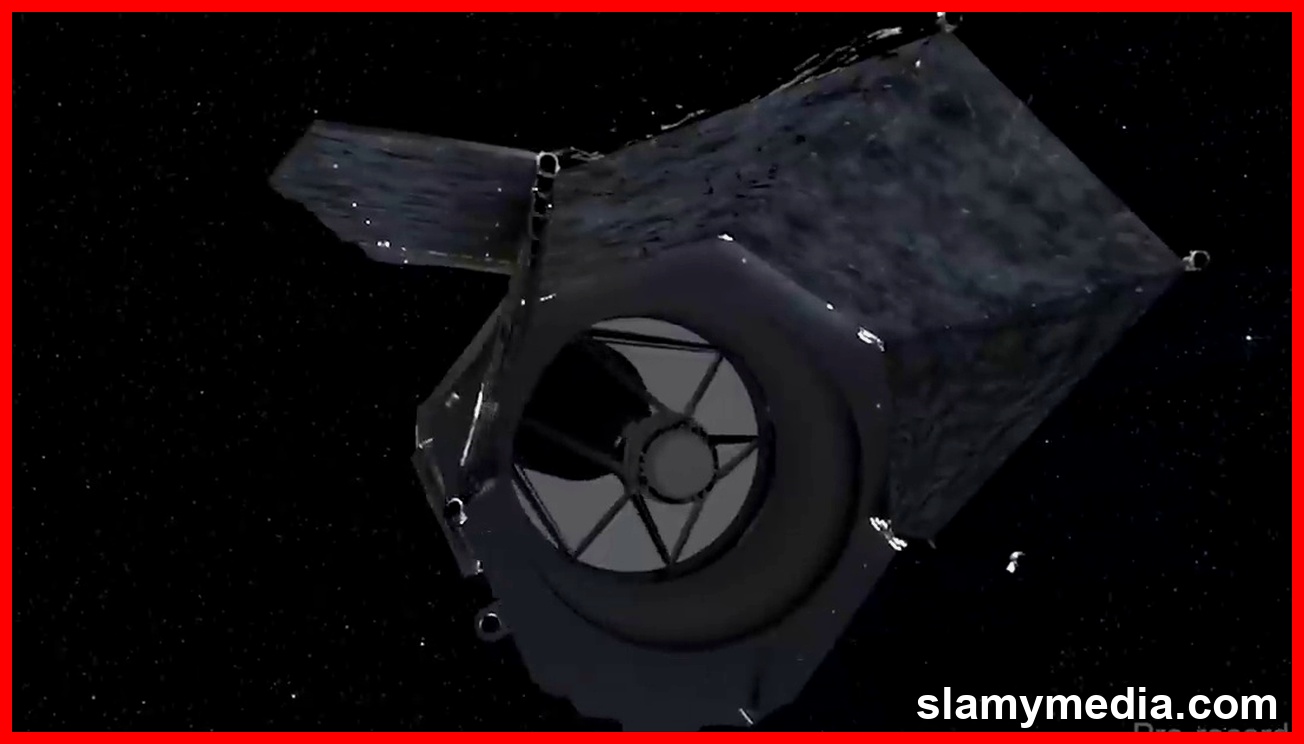
The financial side of this mission is just as massive as the rocket itself. SpaceX was awarded the contract for this launch back in 2022 for a cool $255 million. That high price tag reflects just how much is at stake here. This is a landmark mission and its path to the launch pad was not always a smooth one. In fact, there was a point where the Roman telescope was actually on a cancellation list. When the White House proposed budget cuts for NASA in 2026, several high-profile projects were in the crosshairs. While projects like the Lunar Gateway and certain parts of the SLS program faced significant scrutiny and cuts, the public and the scientific community rallied around the NASA-grace Roman. Because so much investment had already been poured in and the telescope
Disclaimer: This article was compiled and adapted from historical reporting and enhanced for readability. Some quotes may be paraphrased for clarity.



Conversations (0)