

Breaking the Skyscraper Ceiling
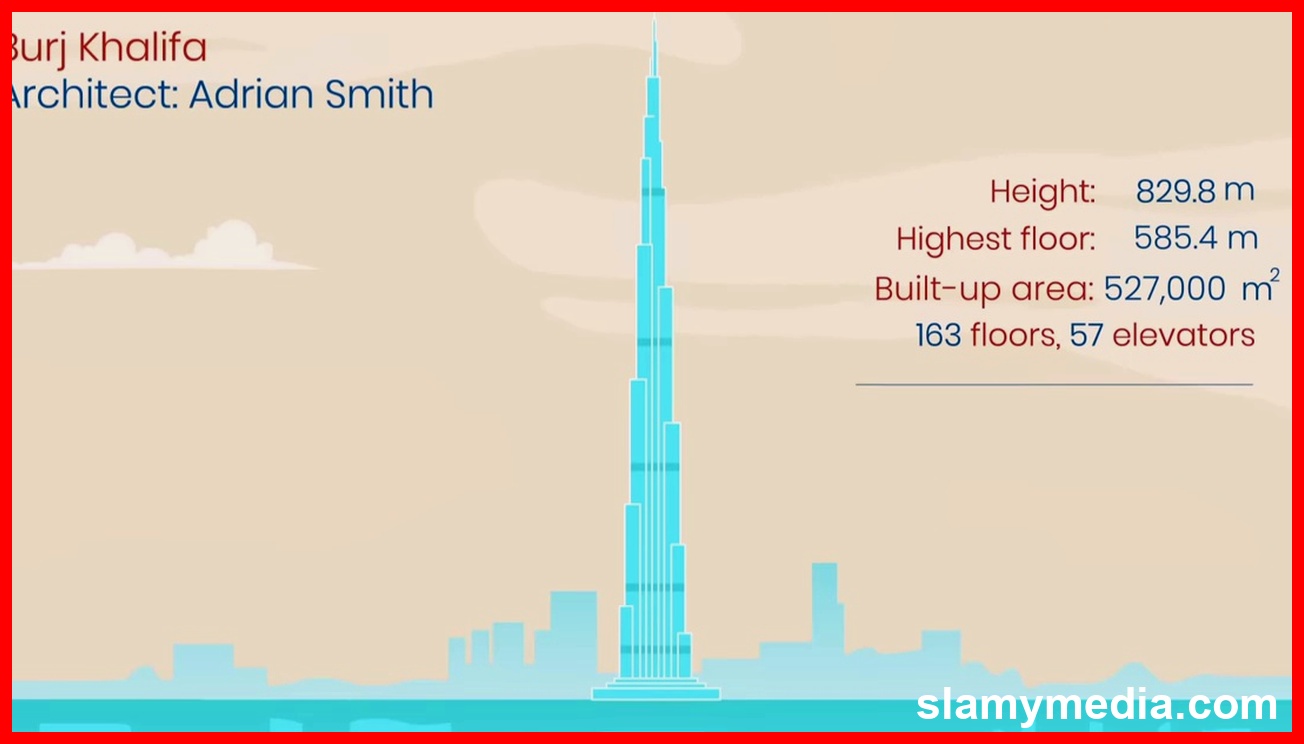
By the end of the 20th century, the race to build the world's tallest skyscraper grinded to a halt. Each new contender was only slightly taller than the one before, and architects were running out of ways to top their previous efforts. But in 2004, construction began on a new building in Dubai, promising a revolutionary design that would dwarf the competition.
Key Takeaways
- The Burj Khalifa's construction marked a significant leap in skyscraper engineering.
- Industrial steel and tubular designs enabled unprecedented height.
- The Burtrist Core design allowed for a 163-floor structure.
In 2009, the 828-meter Burj Khalifa was complete, surpassing the previous record holder by over 60%. So what innovations allowed for such a huge leap in height? For most of architectural history, heavy building materials made it difficult for tall buildings to support their own weight. To compensate, taller structures had wider, thicker masonry at the base, making them
substantially more expensive.
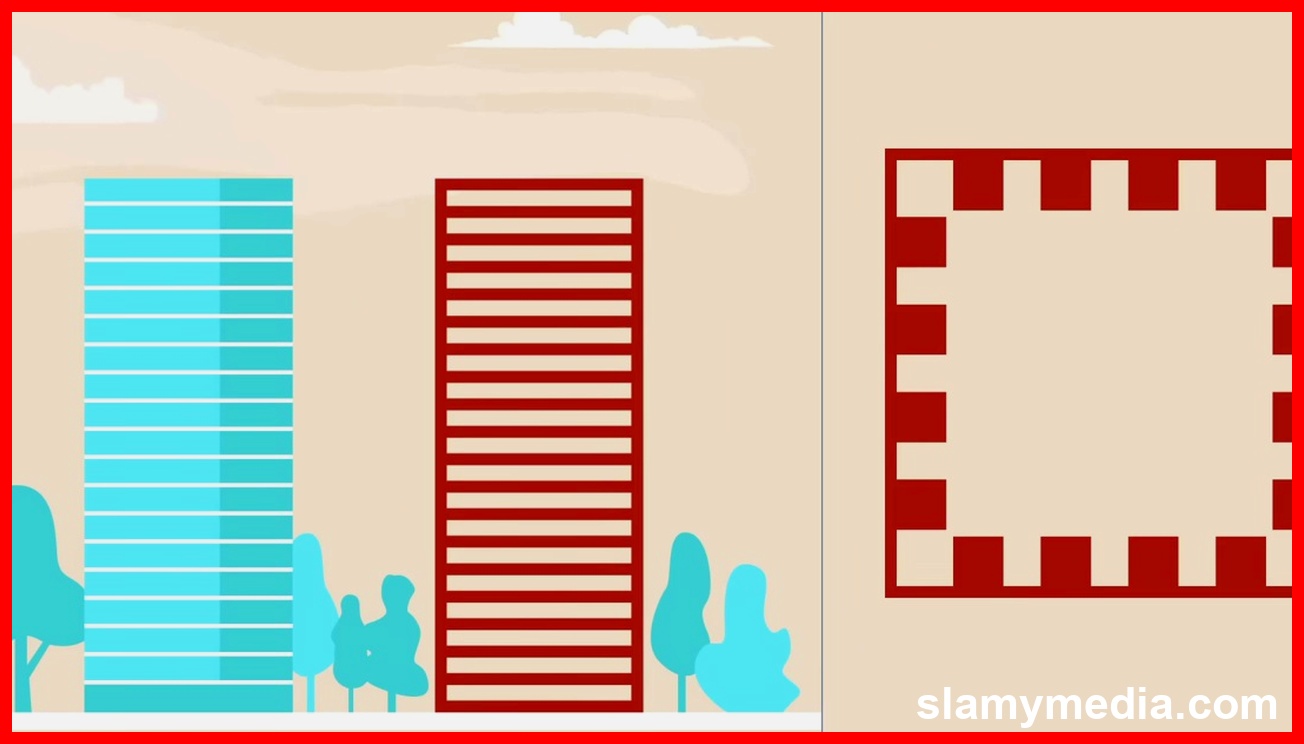
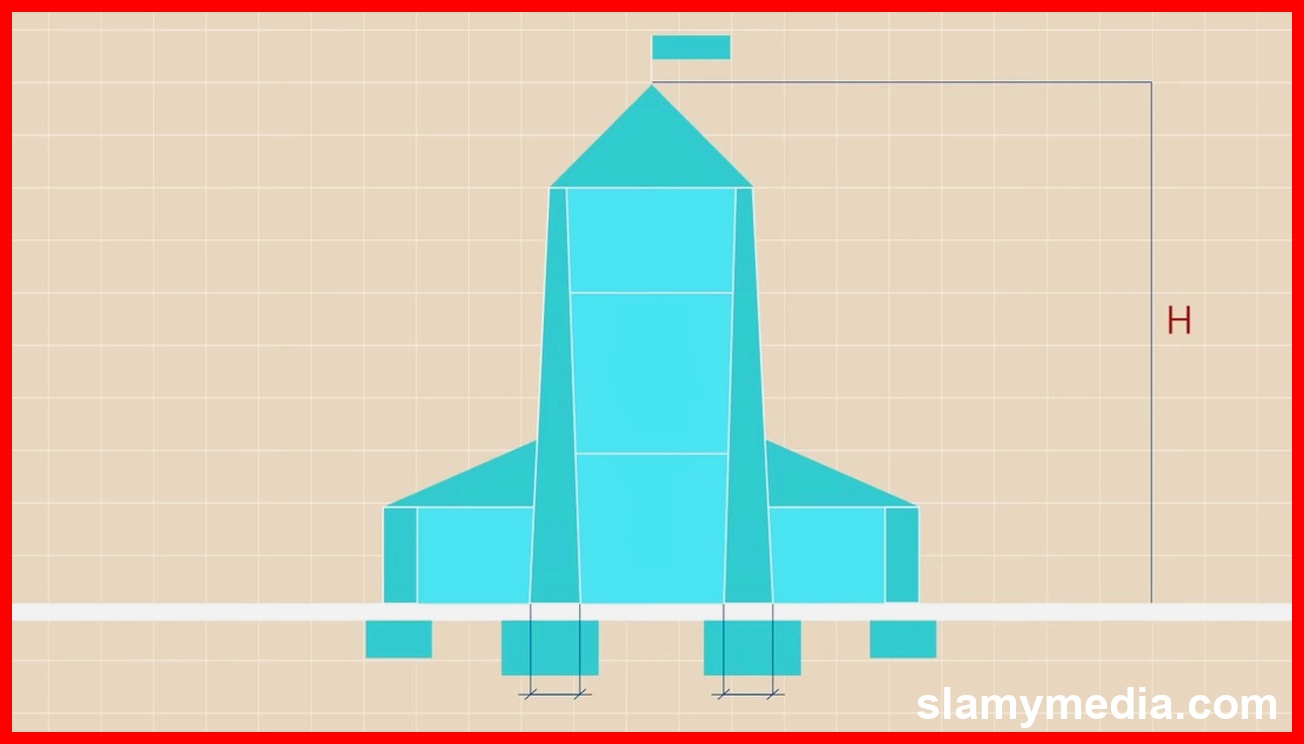
The arrival of industrial steel in the early 20th century helped buildings shed weight and stretch to new heights. But steel frames required intensive labor to produce, often under poor working conditions. And when they were finished, these three-dimensional grids took up huge amounts of space inside buildings. Tall steel skyscrapers also had larger, less dense surfaces, making them vulnerable to strong winds. Architects designed various countermeasures to prevent swaying and structural damage, but to increase height further. Engineers would have to completely rethink how tall buildings were designed.

After the father of modern skyscrapers, Fazlour Khan, this Bangladesh-American engineer believed tall structures should bear their weight where they were widest and most stable. On the outside, he proposed swapping an internal grid of steel beams for a steel and concrete
exoskeleton that would make buildings more resilient to wind while using far less heavy materials. Modern developed this idea into what he called tubular designs. These buildings had exterior steel frames that were braced with concrete and connected to horizontal floor beams. tubular frames proved superior at absorbing and transferring the force of wind to a building's foundation. And since the exterior walls could bear the bulk of the load, internal supporting columns could be removed to maximize space.
In the 1960s, tubular design became the industry standard. This new philosophy allowed for the construction of taller, sturdier skyscrapers, including many of the record holders for world's tallest building. But planning the Burj Khalifa would take one more innovation.
In 2004, the late Fazlour Khan's longtime employers, Skidmore Owings and Merrill, completed the Tower Palace 3 in South Korea. This building took Khan's exoskeleton design one step further, with a central column supported by three protruding wings. Each wing's weight carries the other two, while the heavy concrete core acts as a support beam that also houses the building's elevators and mechanical infrastructure. This design, called the Buttrist Core, allowed the entire structure to work as a single load bearing unit, supporting the building's 73 stories.
"SoM was confident the Buttrist Core could support a much taller building, and they were determined to see how high they could go with their next project."
As only the second building to use this design, the Burj Khalifa spans an unprecedented
163 floors. To battle the monumental vertical and lateral forces, the design strategically places the strongest, load-bearing areas where the wind is also most powerful. Additionally, the Y-shaped layout was specifically calibrated to minimize local wind forces. Every several floors, one of the wings, recedes slightly, forming a series of setbacks in a clockwise pattern. This spiral shape disperses air currents, transforming 240 km per hour winds into harmless gusts. Considering its height and unique design, the Burj Khalifa was completed in a staggeringly short five-year period. However, this pace came at a great human cost. The workforce consisted mostly of South Asian migrants, who regularly en
Disclaimer: This article was compiled and adapted from historical reporting and enhanced for readability. Some quotes may be paraphrased for clarity.



Conversations (0)