

Breaking Barriers: The Channel Tunnel's Journey from Vision to Reality
The Channel Tunnel, also known as the Manche Tunnel, has long been a symbol of human ingenuity and perseverance. Conceived in the 19th century, the project faced numerous challenges, including geological uncertainties, political tensions, and financial hurdles. Despite these obstacles, the tunnel eventually became a reality, revolutionizing travel between the United Kingdom and France.
Key Takeaways
- The tunnel was the most expensive infrastructure project at the time, costing over 14 billion pounds.
- The project involved three separate tunnels, with the service tunnel connecting the other two.
- Construction faced significant challenges, including water seepage and the need for precise alignment.
"The tunnel represents not just an engineering achievement, but a bridge between nations."
Initially, the project faced skepticism due to fears of French invasion, but the rise of aerial warfare shifted priorities. The tunnel's construction was finally approved with private funding, marking a significant shift in infrastructure development. The design included three tunnels: one for passenger trains to France, one for trains to England, and a service tunnel for maintenance and emergency use.
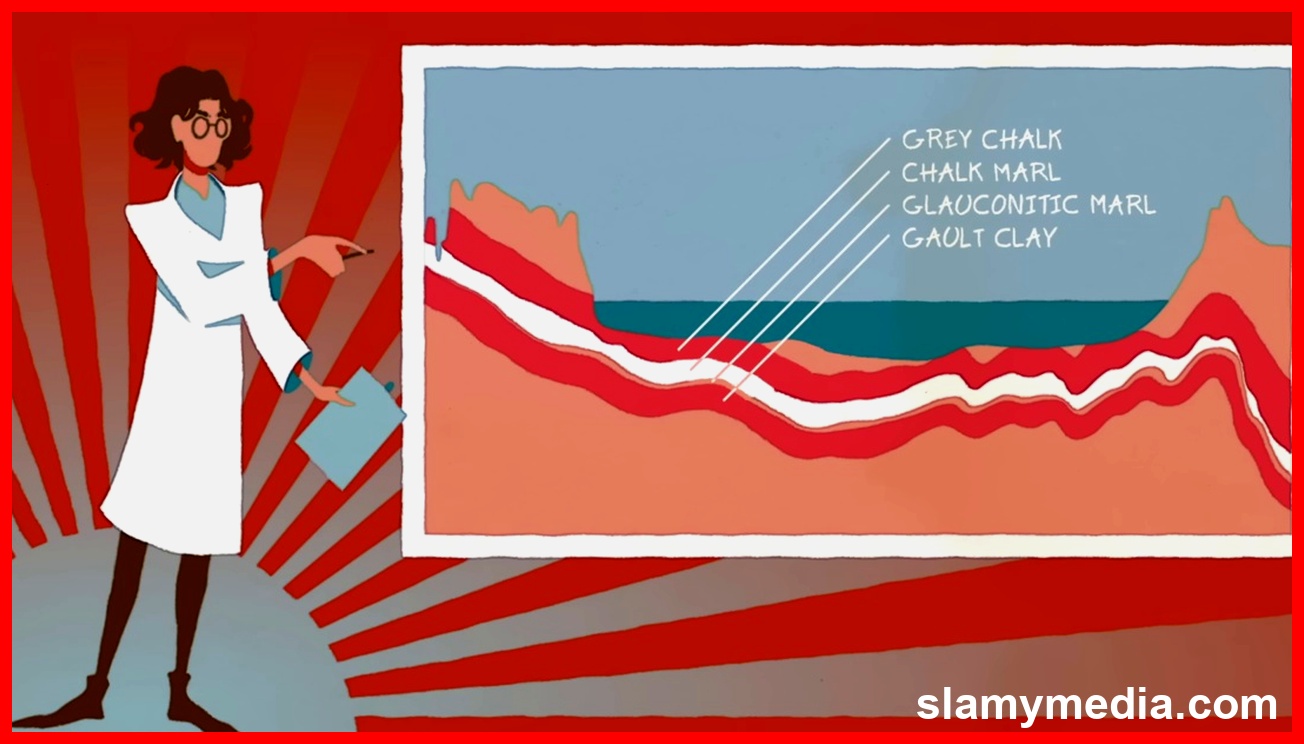
The construction process was fraught with challenges, including the discovery of fault lines on the French coast, which required the development of waterproof boring machines. The British team, anticipating drier conditions, initially used regular borers, but water seepage through undetected fissures forced them to adapt their methods. Engineers had to use grout to seal cracks and reinforce the chalk before drilling.

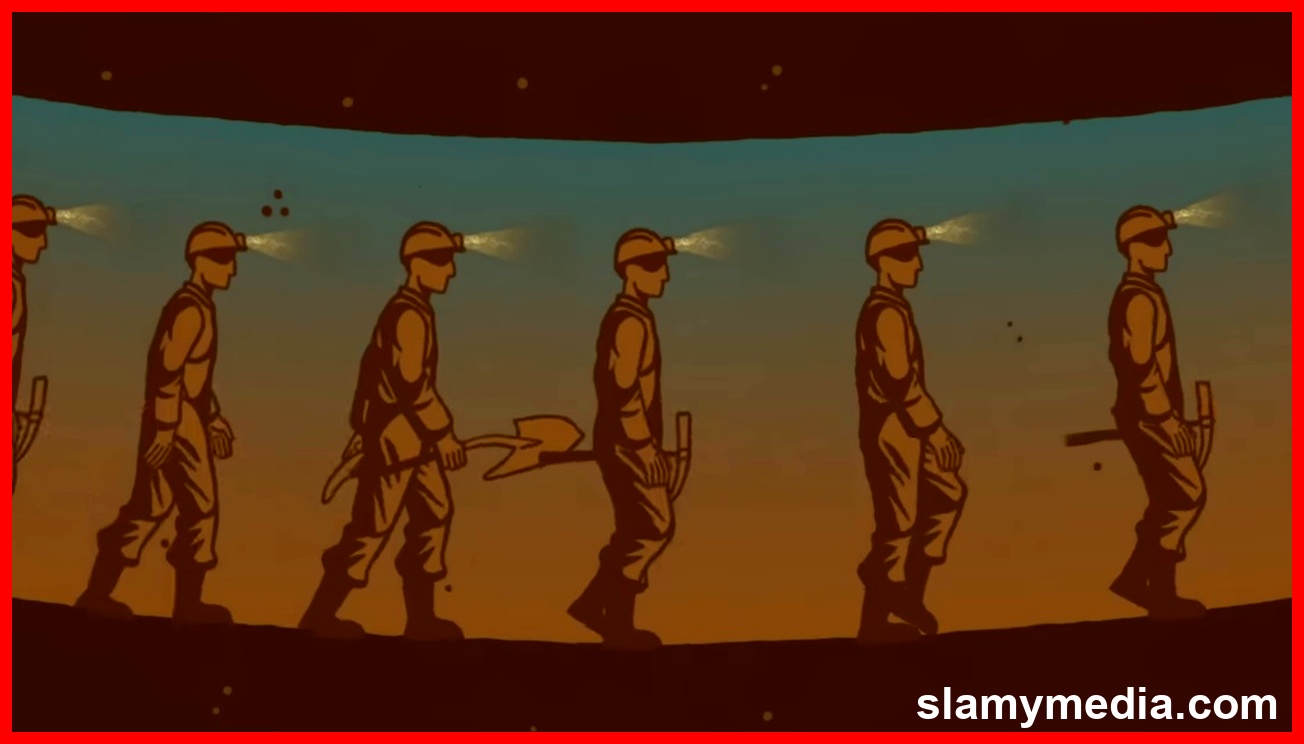
As work progressed, both teams had to maintain precise alignment to ensure the tunnels would meet within 2 centimeters of each other. This required the use of satellite positioning systems and even the involvement of paleontologists who used excavated fossils to confirm the correct depth. The project employed over 13,000 workers and cost the lives of 10 workers during construction.
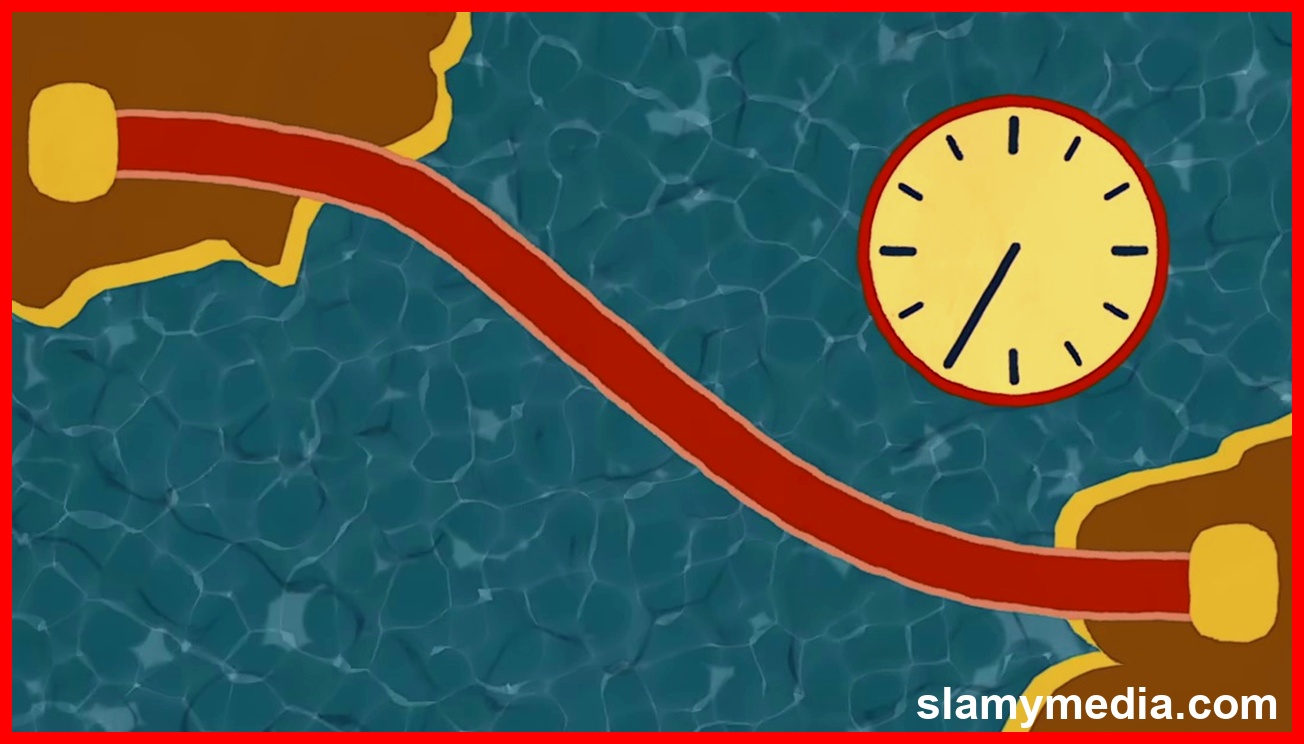
After 2.5 years of tunneling, the two sides finally met. British worker Graham Fag became the first human to cross the channel by land since the ice age. However, the project was far from complete, with additional work required to install crossover chambers, pumping stations, and lay tracks, cables, and sensors. The tunnel officially opened on May 6, 1994, with full public service beginning 16 months later.

Today, the channel tunnel services over 20 million passengers a year, significantly reducing travel time between the UK and France to just 35 minutes. However, the tunnel's history is not without its challenges. Thousands of refugees have attempted to enter Britain through the tunnel, often with fatal consequences. These incidents have turned the southern entrance into a site of ongoing conflict.
Despite these issues, the Channel Tunnel remains a testament to human achievement and the power of collaboration. Its history serves as a reminder that humanity is at its best when breaking down barriers, even in the face of significant challenges.
As the tunnel continues to serve millions of travelers, it also highlights the complex interplay between infrastructure development and human migration. The structure's history is a reminder of the delicate balance between progress and the ongoing challenges of global migration.
The Channel Tunnel's legacy is one of innovation, resilience, and the enduring human spirit. As it continues to connect two nations, it also serves as a symbol of the challenges and opportunities that come with such a monumental engineering feat.
Disclaimer: This article was compiled and adapted from historical reporting and enhanced for readability. Some quotes may be paraphrased for clarity.



Conversations (0)