

The Birth of a Modern Engineering Marvel
In the mid-19th century, suspension bridges were collapsing all across Europe. Their industrial cables frayed during turbulent weather and snapped under the weight of their decks. So when a German-American engineer named John Robling proposed building the largest and most expensive suspension bridge ever conceived over New York's East River, city officials were understandably skeptical. But Manhattan was increasingly overcrowded and commuters from Brooklyn clogged the river.
Key Takeaways
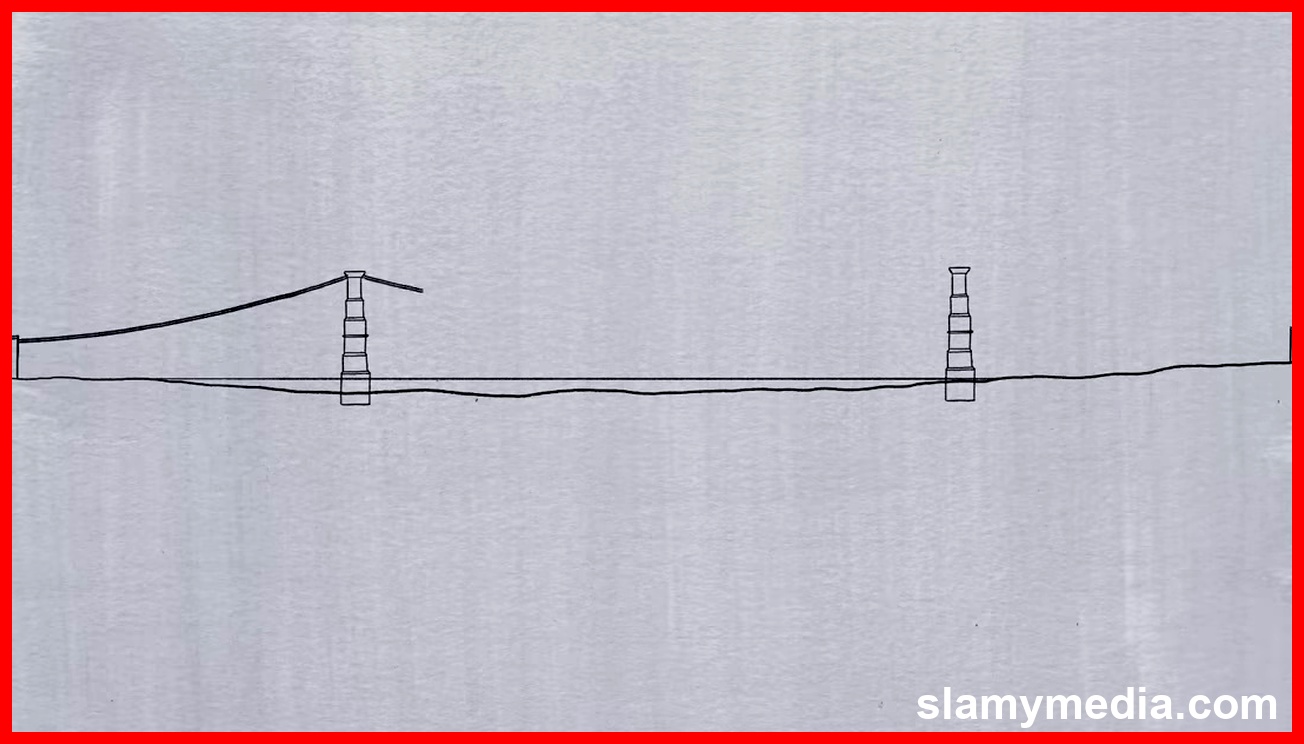
- John Robling's design incorporated hybrid elements from suspension and cable-stayed bridges.
- The bridge's deck spanned over 480 meters, 1.5 times longer than any previously built suspension bridge.
- The construction faced multiple challenges, including the use of untested pneumatic casins and health risks for workers.
In February of 1867, the government approved Robling's proposal. To avoid the failures of European bridges, Robling designed a hybrid bridge model. From suspension bridges, he incorporated large cables supported by central pillars and
anchored at each bank. This design was ideal for supporting long decks, which hung from smaller vertical cables. But Robling's model also drew from cable-stayed bridges. These shorter structures held up their decks with diagonal cables that ran directly to support towers. By adding these additional cables, Robling improved the bridge's stability while also reducing the weight on its anchor cables.
Similar designs had been used for some other bridges, but the scope of Robling's plan here dwarfed them all. His new bridges decks spanned over 480 meters, 1.5 times longer than any previously built suspension bridge. And standard hemp rope would tear under the decks 14,680 tons. 
His proposal called for over 5,600 kilometers of metal wire to create the bridge's cables. To support all this weight, the towers would need to stand over 90 meters above sea level, making them the tallest structures in the western hemisphere.
Robling was confident his design would work, but while surveying the site in 1869, an incoming boat crushed his foot against the dock within a month tetanus had claimed his life. Fortunately, John Robling's son Washington was also a trained engineer and took over his father's role. The following year, construction on the tower foundations finally began. This first step in construction was also the most challenging, building on the rocky riverbed involved the use of a largely untested technology, pneumatic casins. 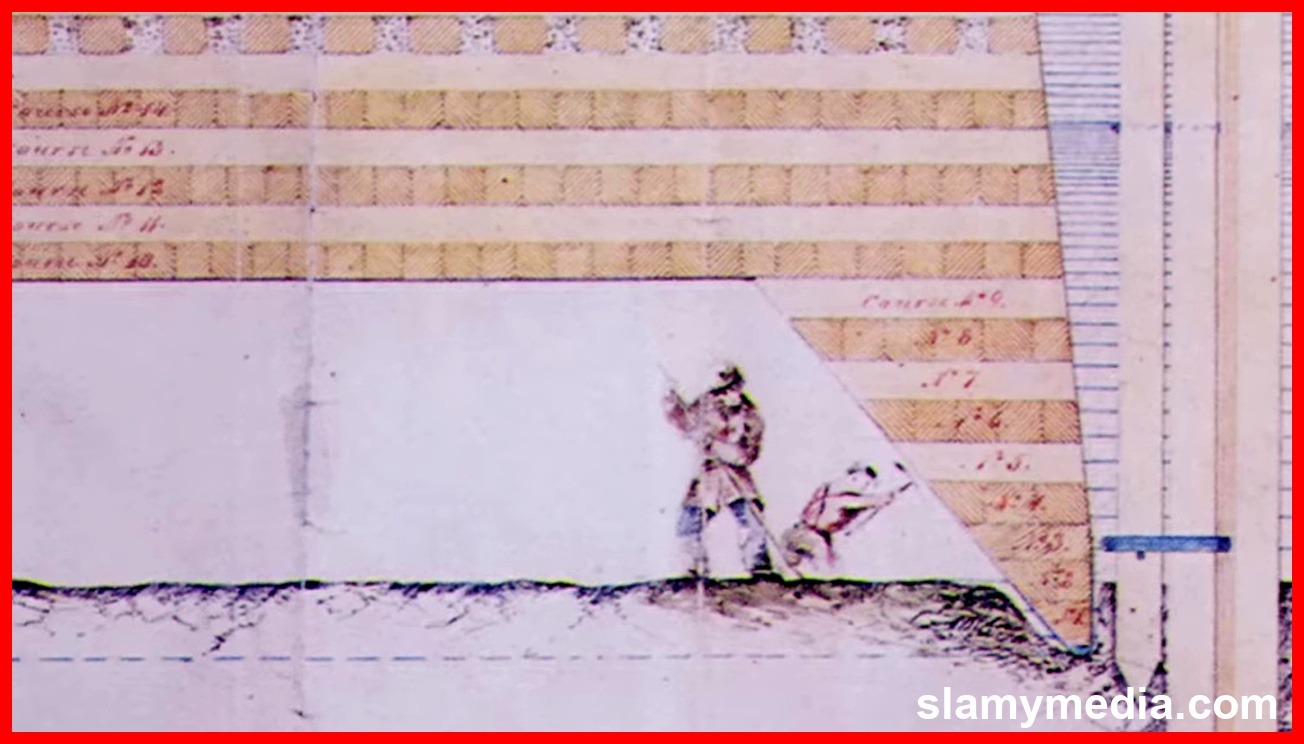
Workers lowered these airtight wooden boxes into the river, where a system of pipes pumped pressurized air in and water out. Once established, air locks allowed workers to enter the chamber and excavate the river bottom. They placed layers of stone on top of the casin as they dug. And it finally hit the bedrock, they filled it with concrete, becoming the tower's permanent foundation.
Working conditions in these casins were dismal and dangerous. Lit only by candles and gas lamps, the chambers caught fire several times, forcing them to be evacuated and flooded. Even more dangerous was a mysterious ailment called the bends. Today, we understand this as decompression sickness, but at the time, it appeared to be 
an unexplainable pain or dizziness that killed several workmen. In 1872, it nearly claimed the life of the chief engineer. Washington survived, but was left paralyzed and bedridden.
Yet once again, the roblings proved indomitable. Washington's wife, Emily, not only carried communications between her husband and the engineers, but soon took over day-to-day project management. Unfortunately, the bridges' troubles were far from over. By 1877, construction was over budget and behind schedule. Worse still, it turned out the bridge's cable contractor had been selling them faulty wires. This would have been a fatal flaw if not for the abundant fail safes in John Robling's design. After reinforcing the cables with additional wires, they suspended the deck piece by piece. 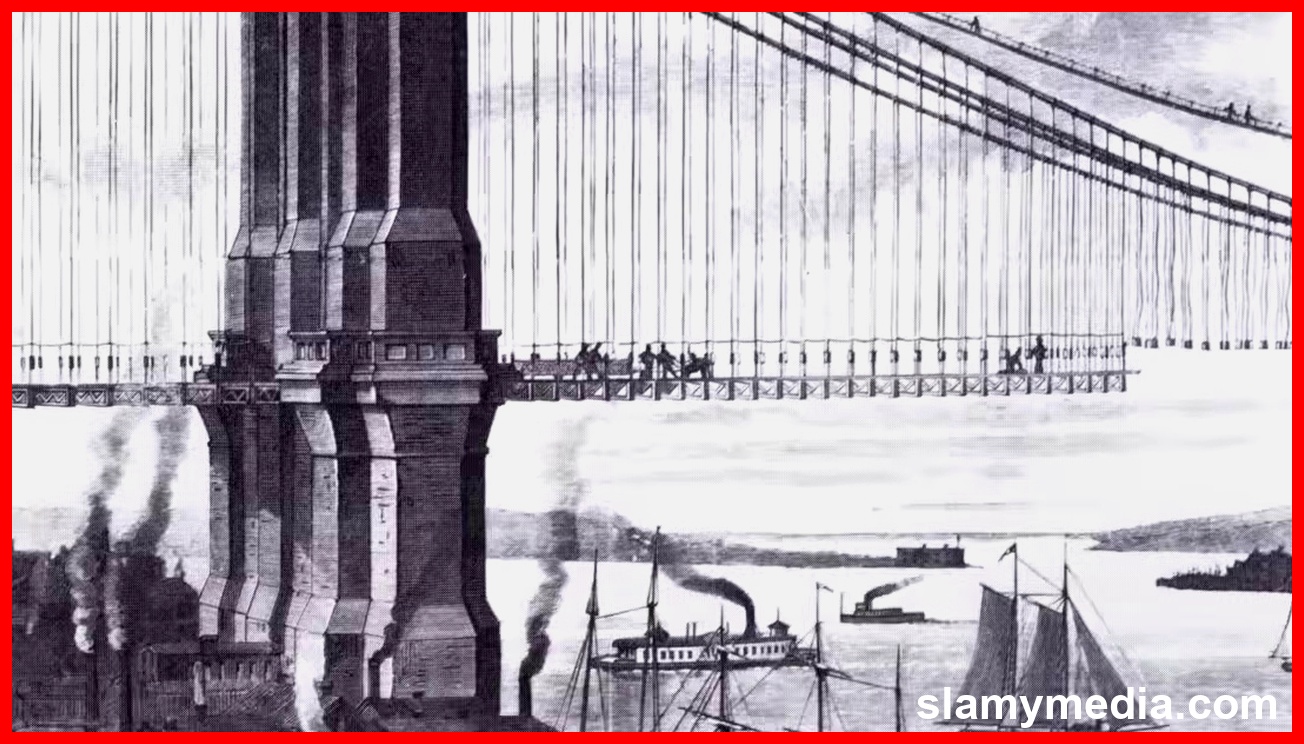
It took 14 years, the modern equivalent of over $400 million, and the life's work of three different roblings. But when the Brooklyn Bridge finally opened on May 24, 1883, its splendor was undeniable. Today, the Brooklyn Bridge still stands atop its antique casins, supporting the gothic towers and
Disclaimer: This article was compiled and adapted from historical reporting and enhanced for readability. Some quotes may be paraphrased for clarity.



Conversations (0)