

From Fantasy to Fact: How Modern Engineering is Making Wright's Mile-High Vision a Reality
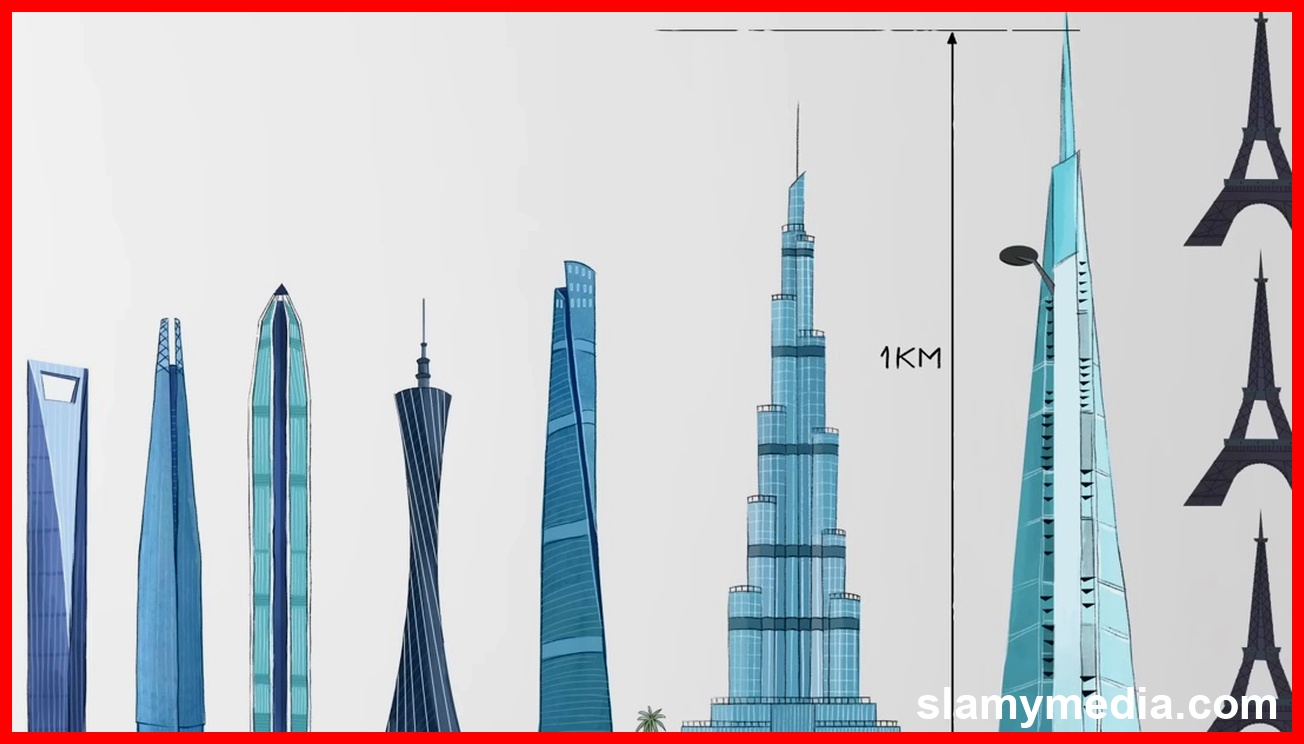
In 1956, architect Frank Lloyd Wright proposed a mile-high skyscraper. It was going to be the world's tallest building by a lot, five times as high as the Eiffel Tower. But many critics laughed at the architect, arguing that people would have to wait hours for an elevator or worse that the tower would collapse under its own weight. Most engineers agreed, and despite the publicity around the proposal, the Titanic Tower was never built. But today, bigger and bigger buildings are going up around the world. Firms are even planning skyscrapers more than a kilometer tall, like the Jetta Tower in Saudi Arabia, three times the size of the Eiffel Tower.
Key Takeaways
- Frank Lloyd Wright's 1956 mile-high skyscraper concept is becoming a reality due to modern engineering advancements.
- Modern concrete blends with steel fibers and water-reducing polymers provide the necessary strength for megastructures.
- Tuned mass dampers and aerodynamic designs help skyscrapers withstand wind and seismic forces.
"The first principle has long dictated the shape of our buildings, leading ancient architects to favor pyramids with wide foundations that support lighter upper levels." - Architectural historian Dr. Emily Carter
Every soon, Wright's mile high miracle may be a reality. So what exactly was stopping us from building these mega structures 70 years ago, and how do we build something a mile high today?
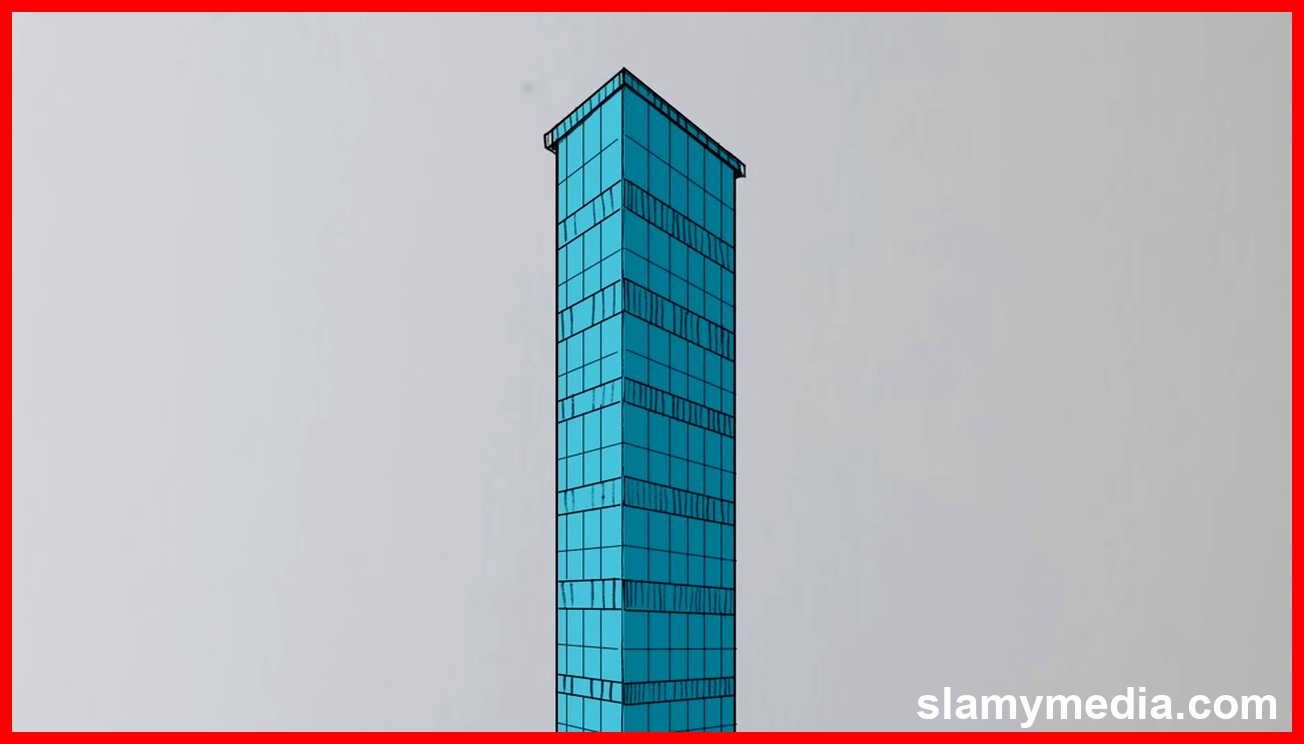
In any construction project, each story of the structure needs to be able to support the stories on top of it. The higher we build, the higher the gravitational pressure from the upper stories on the lower ones. The first principle has long dictated the shape of our buildings, leading ancient architects to favor pyramids with wide foundations that support lighter upper levels. But this solution doesn't quite translate to a city skyline. A pyramid that tall would be roughly one and a half miles wide, tough to squeeze into a city center.
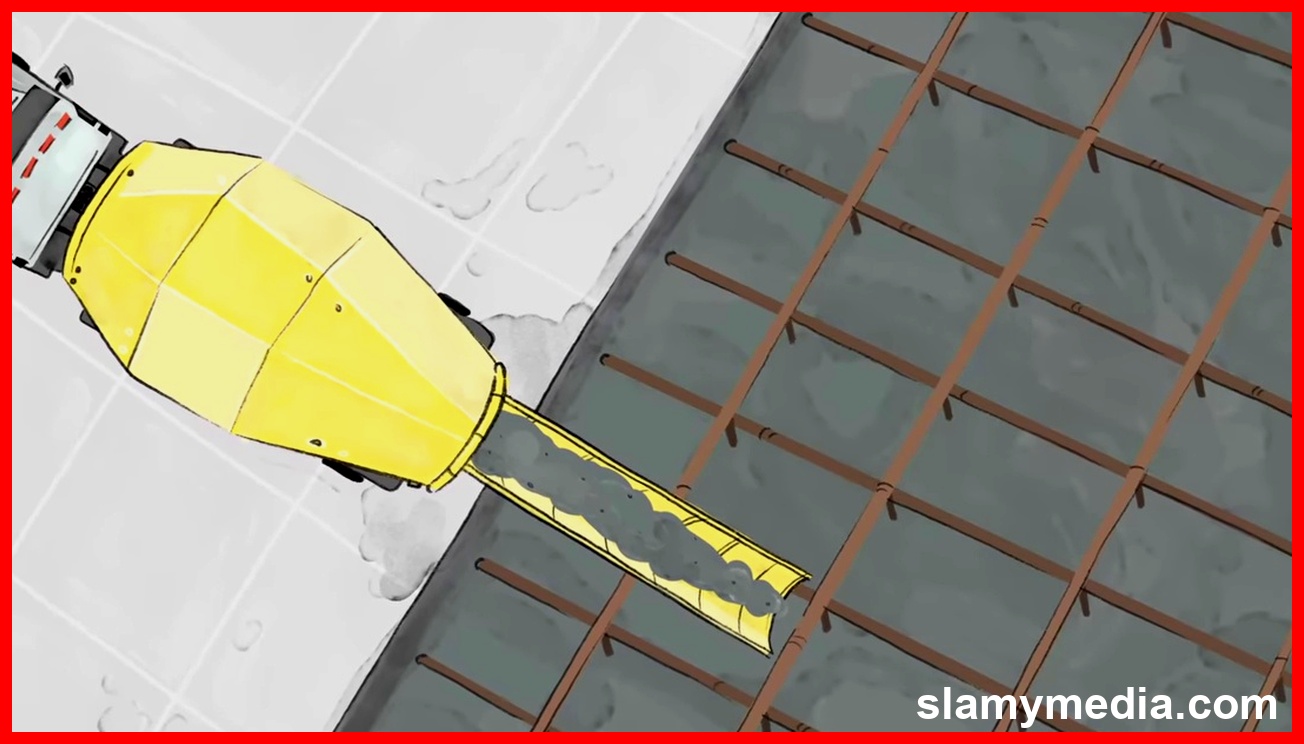
Fortunately, strong materials like concrete can avoid this impractical shape, and modern concrete blends are reinforced with steel fibers for strength, and water-reducing polymers to prevent cracking. The concrete in the world's tallest tower, Dubai's Burj Khalifa, can withstand about 8,000 tons of pressure per square meter, the weight of over 1,200 African elephants.
Of course, even if a building supports itself, it still needs support from the ground. Out of foundation, buildings this heavy would sink, fall, or lean over. To prevent the roughly half a million ton tower from sinking, 192 concrete and steel supports, called piles, were buried over 50 meters deep. The friction between the piles and the ground keeps this sizable structure standing.
Besides defeating gravity, which pushes the building down, a skyscraper also needs to overcome the blowing wind, which pushes from the side. On average days, wind can exert up to 17 pounds of force per square meter on a high rise building, as heavy as a gust of bowling balls. Designing structures to be aerodynamic, like China's sleek Shanghai tower, can reduce that force by up to a quarter. And wind bearing frames inside or outside the building can absorb the remaining wind force, such as in souls, low-tay tower.
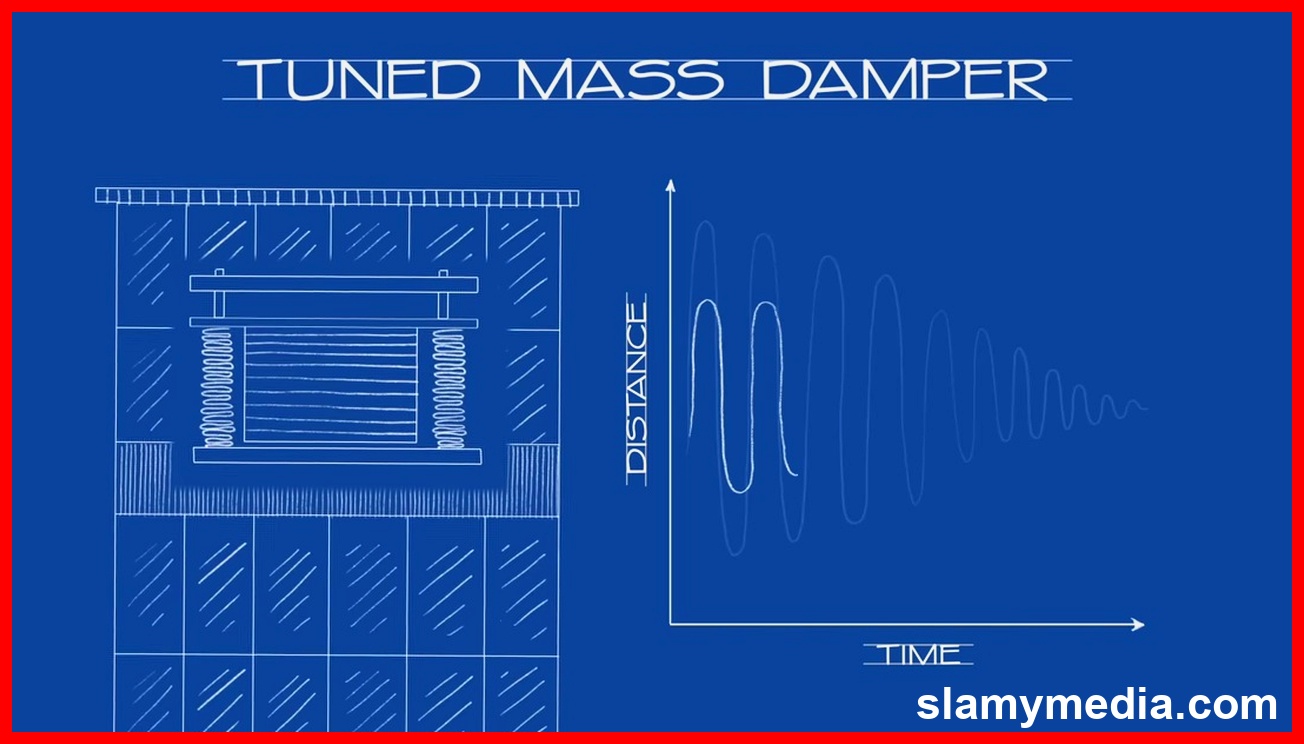
To prevent the wind from rocking tower tops, many skyscrapers employ a counterweight, weighing hundreds of tons, called a tuned mass damper. The Taipei 101, for instance, has suspended a giant metal orb above the 87th floor. When wind moves the building, this orb sways into action, absorbing the building's kinetic energy. As its movements trail the towers, hydraulic cylinders between the ball and the building convert that kinetic energy into heat and stabilize the swaying structure.
With all these technologies in place, our megastructures can stay standing and stable. But quickly traveling through buildings this large is a challenge in itself. In Wright's age, the fastest elevators moved a mere 22 kilometers per hour. 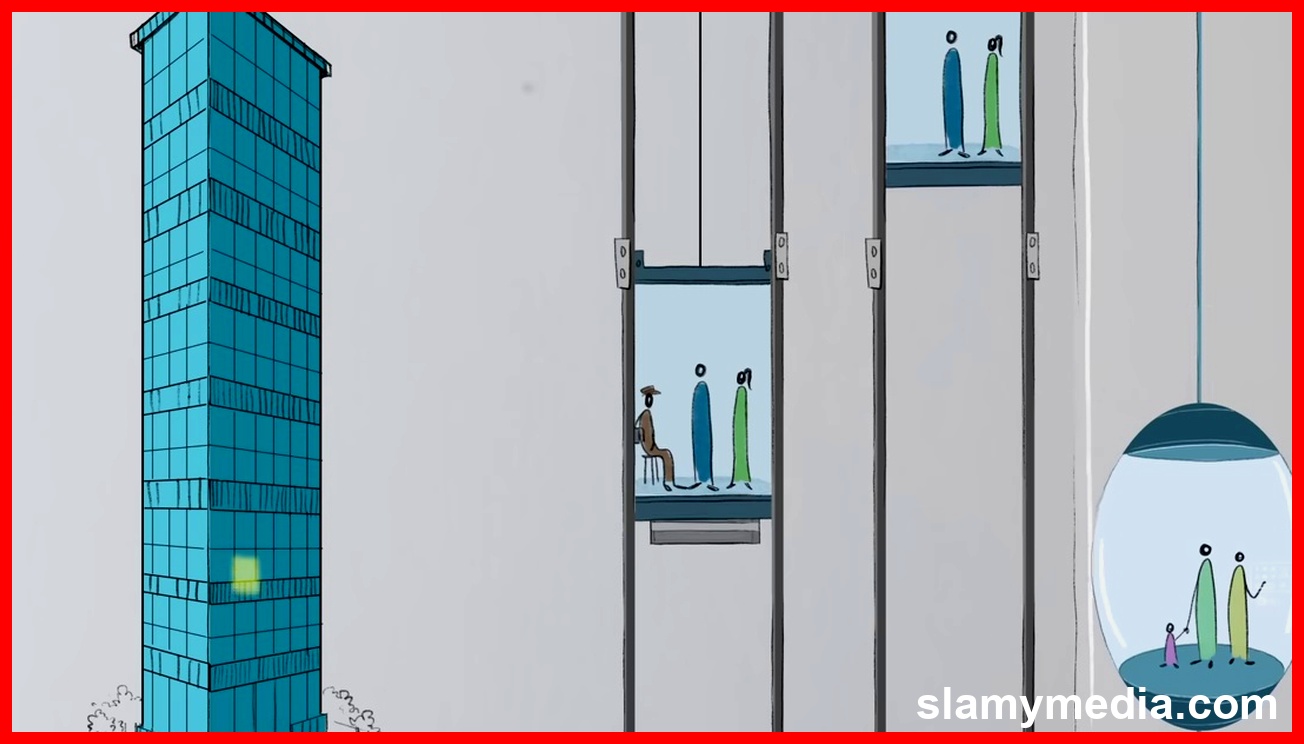
Thankfully, today's elevators are much faster, traveling over 70 kilometers per hour, with future cabins potentially using frictionless magnetic rails for even higher speeds, and traffic management algorithms group riders by destination to get passengers and empty cabins where they need to be.
Sky scrapers have come a long way since Wright proposed his mile-high tower. What were once considered impossible ideas have become reality through the ingenuity of modern engineering and materials science.
Disclaimer: This article was compiled and adapted from historical reporting and enhanced for readability. Some quotes may be paraphrased for clarity.


Conversations (0)